
Ocean Travel
Underwater photography, whether on snorkel or diving, is a fantastic way to share the weird and wonderful ocean environment with the world.
See below for destination guides to help get the best from your time in the water.

The Galapagos is the best place to see truly gigantic adult whale sharks.

As iconic as the dragons are on land, they may be matched by the manta rays underwater. Reef manta rays are one of the largest of all fishes, growing to around 5 m wide across their “wings”.
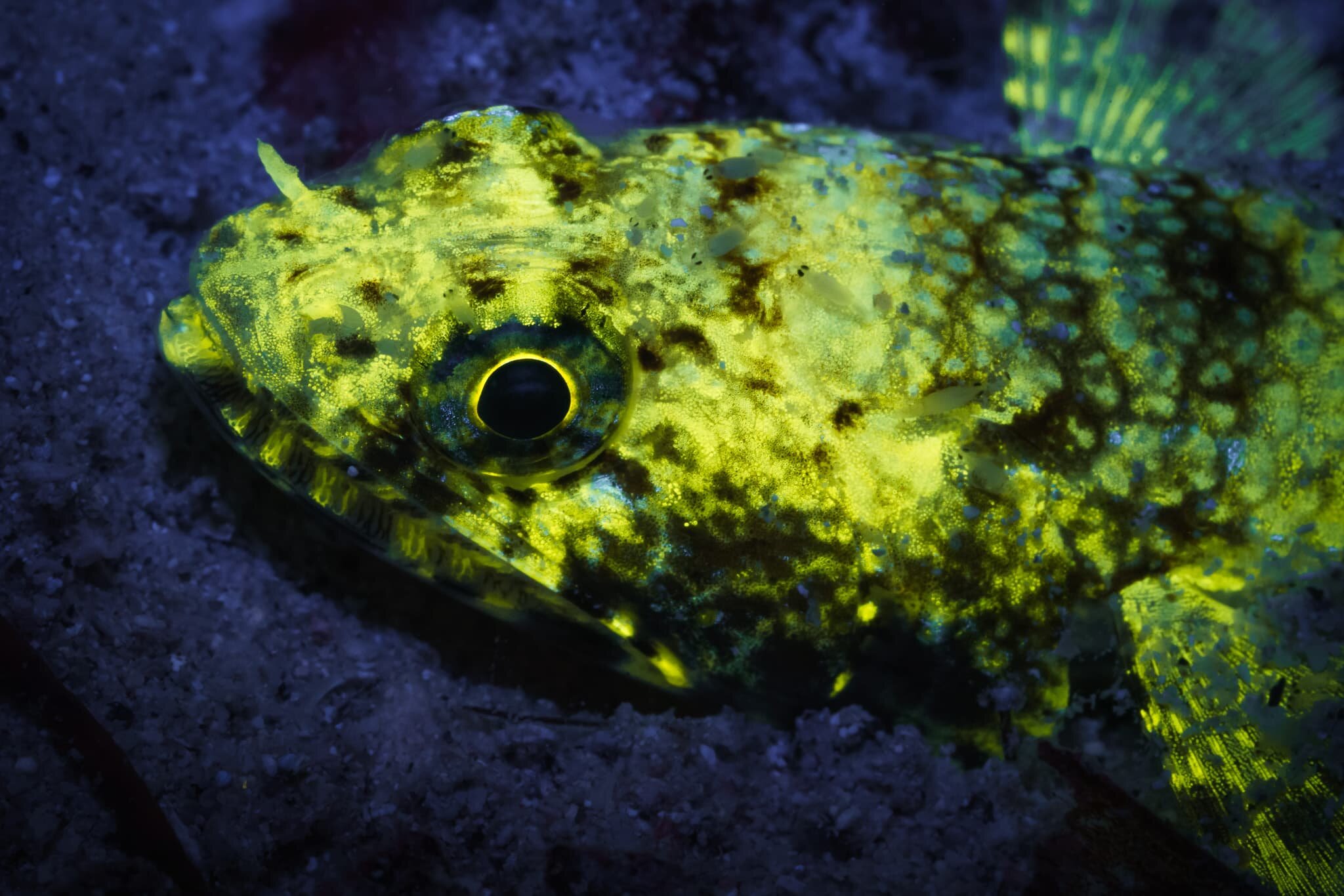
Biofluorescence occurs in over 250 fish species, as well as hard corals, jellyfish, mantis shrimps, sea turtles, and other groups. It’s particularly common in “cryptic” species. Many coral reef fish species have vivid color patterns, like angelfishes. “Cryptics,” such as lizardfishes and scorpionfishes, appear well-camouflaged to our eyes.

Whale watching is a big deal in Kaikoura. You can see whales from a boat, helicopter, or small plane. I’ve done flights with Wings Over Whales a couple of times. They’re absolutely brilliant; it’s how I got the photo above. Chatting before a trip, one of the pilots also mentioned that he’d watched a sperm whale hunt down a blue shark.
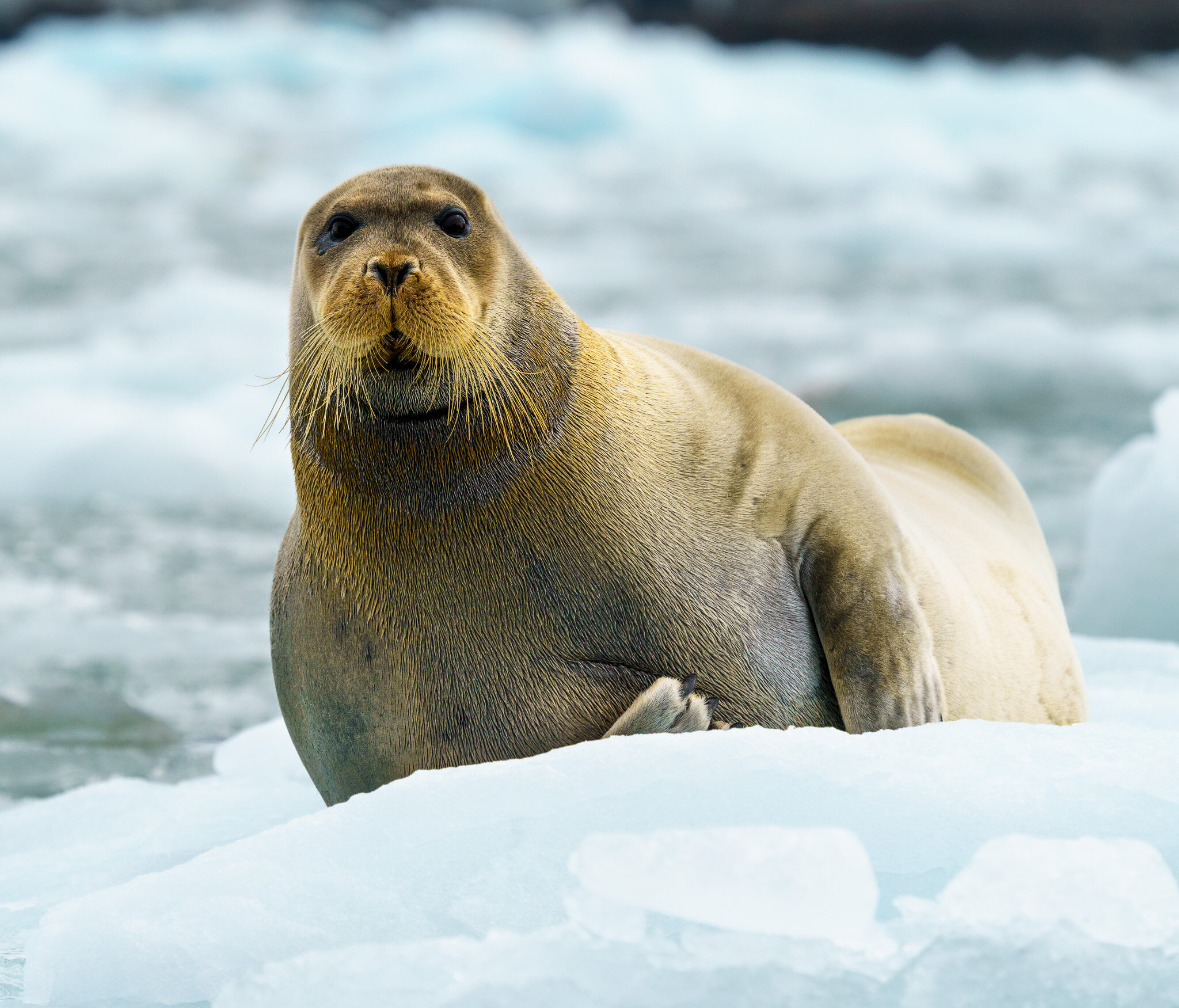
A 10 cm goldfish, swimming through the water at leisure, leaves a wake that persists for over five minutes. Imagine if a fish-eating animal could detect and track that turbulence. It’d be one unlucky goldfish. Seals, which are basically Jedi, are way ahead of me.

Mexico, specifically the area north of Isla Mujeres on the Yucatan Peninsula, is the seasonal home of large numbers of whale sharks over the summer months. It probably offers the world’s most consistent sightings of whale sharks for tourists over the northern hemisphere summer.

Every whale shark is identifiable based on their unique spot pattern. Over 8,000 tourists and researchers have submitted photos to a global sighting database (www.whaleshark.org), identifying over 10,000 individual whale sharks. Most of those have been juvenile males, however. Even the largest feeding areas are home to less than 2,000 sharks – and some popular tourist destinations, such as Tanzania and Honduras, seem to have less than 200.

Frame-by-frame video analysis reveals the sharks’ strategy. They lunge forward, then use their big wide pectoral fins to hit the brakes. This stalls their whole body, allowing them to deliver an overhead tail-slap at measured speeds of over 20 meters per second (45 miles per hour). That’s so fast that the tip of the tail literally causes water to bubble.

After a few days on Isabela Island on a wildlife-watching trip (photos to come), we flew over to San Cristobal on a small plane. We wandered down to the “Hammerhead Pier” early the next afternoon and were met by one of the dive guides from the Humboldt Explorer and transferred out to the boat. It was great to see a few familiar faces from past trips, and lots of new ones!

A new paper, led by the Large Marine Vertebrates Research Institute Philippines (LAMAVE), with help from the Tubbataha Management Office and myself, has showcased the benefits to sharks that can be achieved by effective marine protected areas (MPAs).

The animals that live here, are fantastically, mind-blowingly diverse. After three solid days of diving, I’m completely hooked. Tulamben, close to the spectacular Mt Agung, is stunning, Scuba Seraya is one of the nicest little dive resorts I’ve stayed at, and the diving… well. Let’s talk about the diving!

So I got this email: Hello! My name is Brianna and I’m from Colorado. I’m going to try to get straight to the point so that I don’t waste your time, Mr. Pierce. A coupe of months ago, I was in my first period Geography class when somehow the girl who sits next to me and I got into a discussion about Shark Tsunamis. Please, don’t close this email I realize how completely dumb this sounds.

The Underwater World of Byron Bay, Australia.
Simon J Pierce
Julian Rocks’ subtropical location is near the southern extent of range for lots of warm-water species, including exotic tropical minibeasts like the ornate ghost pipefish and megabeasts like reef manta rays, and represents a northern holiday for cooler critters like grey nurse sharks.

Diving Raja Ampat
Planning a dive trip to Raja Ampat can be overwhelming – particularly if you haven’t been to the region before. We’ve created this insider’s guide to help you know when to visit, where the best dive sites are, and to decide whether a dive liveaboard or resort-based trip is the best option for you.
Julian Rocks’ subtropical location is near the southern extent of range for lots of warm-water species, including exotic tropical minibeasts like the ornate ghost pipefish and megabeasts like reef manta rays, and represents a northern holiday for cooler critters like grey nurse sharks.