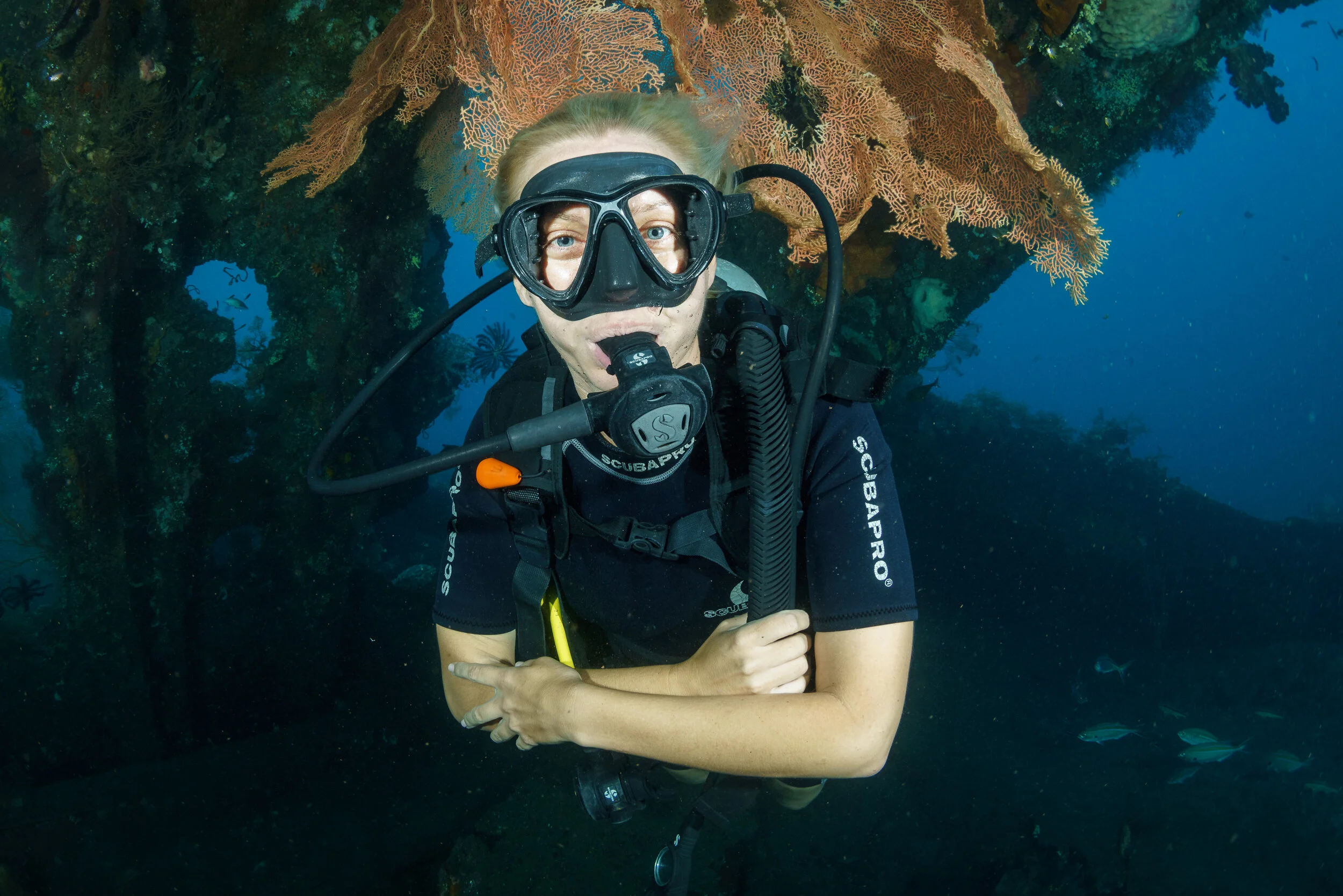
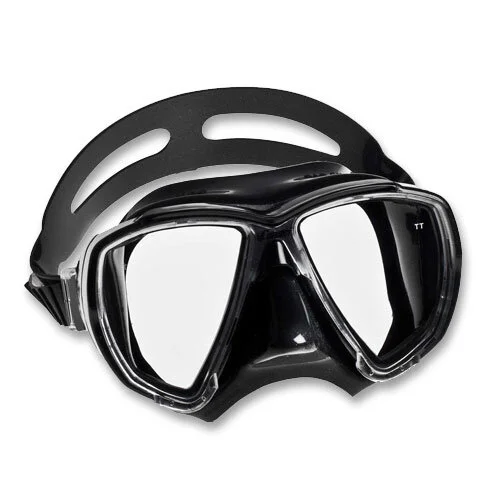
As a marine biologist and professional diver, a good dive mask that doesn’t leak or fog is absolutely essential to my work. It’s one of the most important pieces of kit while diving (well, apart from air!). A bad mask will annoy you the whole time, a good mask fits comfortably and offers a great view so you can enjoy the dive. I’ve worked through all the options, and the best mask for diving in 2026 is the Cressi Big Eyes Evolution.
The Big Eyes Evolution is a top-end choice at a mid-range price, and we’ve tested it extensively across the world. The Cressi fits the majority of face shapes well, it’s comfortable, and has a great field of vision.
A leaky, foggy, or uncomfortable mask is the quickest way to ruin a dive. To avoid that, I’ve also uncovered other great options for masks with underwater color correction, dive masks for people with beards, big noses, and small faces, or combinations of the above.
You can click on the dive mask name below to read more customer reviews, and to check the current price, or keep scrolling to read my full Buyer’s Guide to the Best Masks for Diving.
The best scuba mask for 2026 is the Cressi Big Eyes Evolution: it is comfortable on long dives, doesn't leak, fits most face shapes and has a wide field of view. Simon uses one for diving and snorkelling, and Mads tested it in Bali. If you have a larger nose, the Hollis M1 Frameless gives it room. If you want truer colour and UV protection, the ScubaPro Spectra is the pick. Try a mask on before you buy if you can: fit matters more than brand.
The Best Masks for Diving in 2026 are:
- Winner:Cressi Big Eyes Evolution Dive Mask
- Entry Level:Cressi F1 Dive Mask
- Color Correction:ScubaPro Spectra Dive Mask
- Big Noses:Hollis M1 Frameless Dive Mask
- Beards:Atomic Aquatics Venom Dive Mask
- Small Faces:Oceanic Shadow Dive Mask
- GoPro:Octomask GoPro Dive Mask
- Anti-Fog:Cressi Calibro Dive Mask
- Ear Issues:IST Pro Ear Diving Mask
Quick Comparison of the Best Masks for Diving in 2026:
Read the full guideStart with these two. If your needs are different, there is a pick for you below.
Our pick
Tested by Simon and Mads


Cressi Big Eyes Evolution Dive Mask
The Cressi Big Eyes Evolution mask is comfortable during long dives, it doesn’t leak, it’s affordable, and the large double-lens glass design maximizes peripheral vision.
Entry-level pick
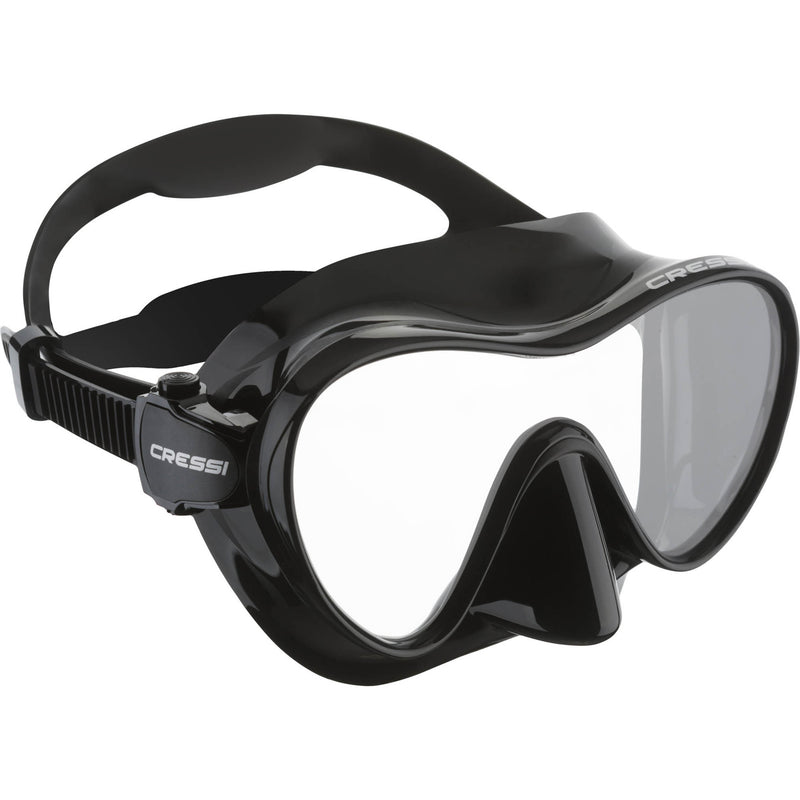
Cressi F1 Dive Mask
The Cressi F1 is a frameless, low-profile mask that folds flat, which makes it a good first mask or a backup that packs small.
Picks for specific needs
Best Dive Mask with Color Correction
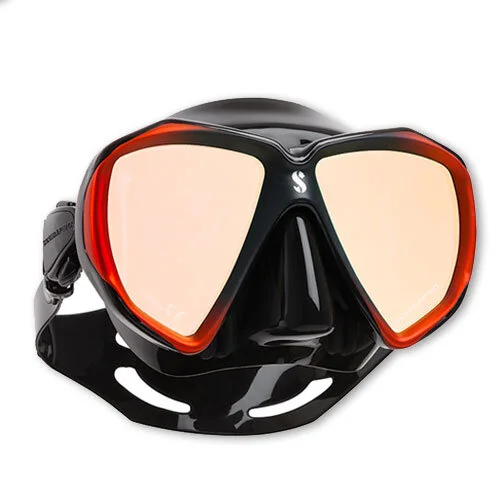
ScubaPro Spectra Dive Mask
A classic mask that looks great, is very comfortable, helps to neutralize blue tones underwater, and its UV filters protect your eyes at the surface.
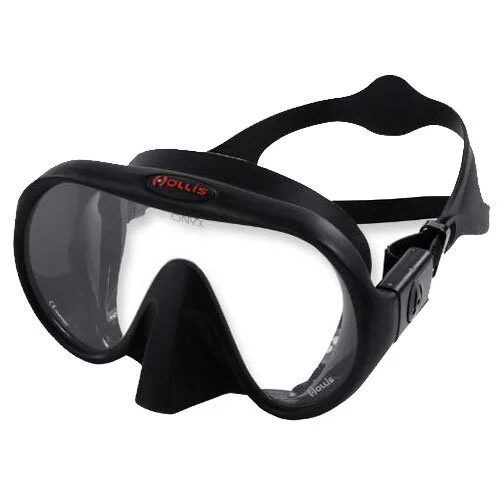
Best Dive Mask for Big Noses
Mads' mask
Hollis M1 Frameless Dive Mask
Packed with features, divers that are well-endowed in the facial region get a spacious fit in this super-soft mask. Also, it looks badass.
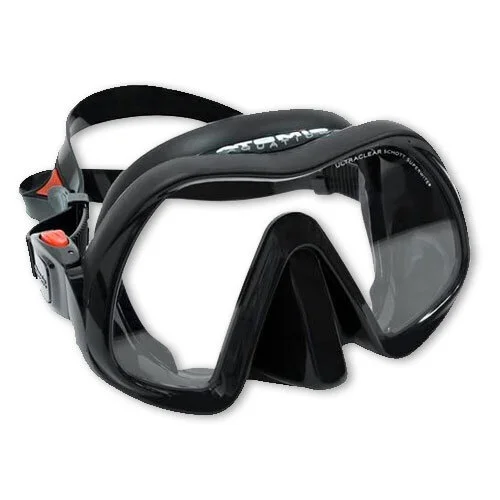
Best Dive Mask for Beards
Atomic Aquatics Venom Dive Mask
Strong option for lumberjacks. Great peripheral vision with a great fit for guys with beards.
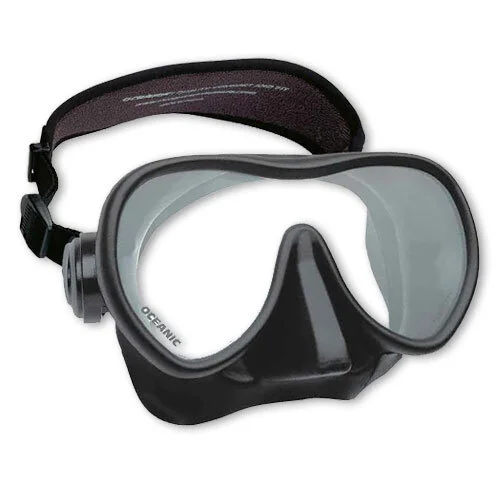
Best Dive Mask for Small Faces
Oceanic Shadow Dive Mask
A classic, popular mask with plenty of color options and excellent vision. Fantastic choice for people with small faces.
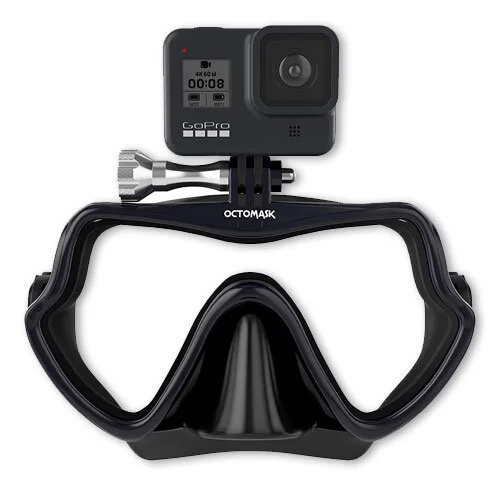
Best Dive Mask for GoPro’s
Octomask GoPro Dive Mask
A comfortable dive mask with a built-in GoPro mount, for filming first-person while your hands are free.
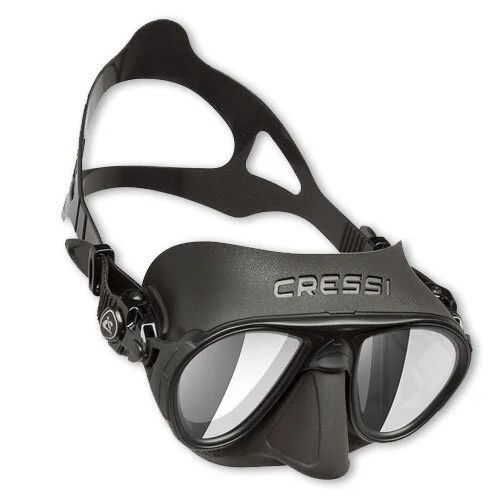
Best Anti-Fog Dive Mask
Cressi Calibro Dive Mask
Great-looking mask with specialist anti-fogging tech. Good for snorkelers and free-divers too.
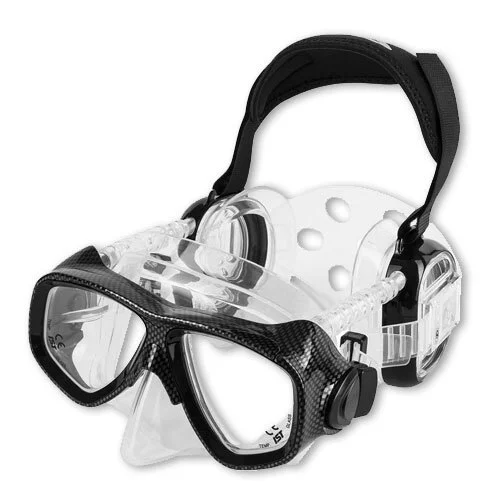
Best Dive Mask for People with Ear Issues
IST Pro Ear Diving Mask
Specifically designed to protect your ears from infection.
Explore this guide 17 sections
- The Best Masks for Diving in 2026 are:
- Quick Comparison of the Best Masks for Diving in 2026:
- The best masks for diving in 2026: the full reviews
- Still not sure? Which dive mask is right for me?
- Buyer’s guide to the best dive mask for 2026
- How I identified the best dive masks
- Things I considered when choosing the best dive mask options
- How do I choose the right size dive mask?
- Dive mask lens coatings
- Frame or frameless dive masks?
- To slap strap or not to slap strap?
- Look for ‘low profile’ dive masks
- Dive mask windows: single, multi, or double lens?
- Diving vs snorkeling masks
- How to stop your dive mask from fogging
- Best dive masks: your questions answered
- Best dive masks for 2026 at a glance
The best masks for diving in 2026: the full reviews
Best Dive Mask Overall Cressi Big Eyes Evolution Dive Mask
Tested by Simon and Mads
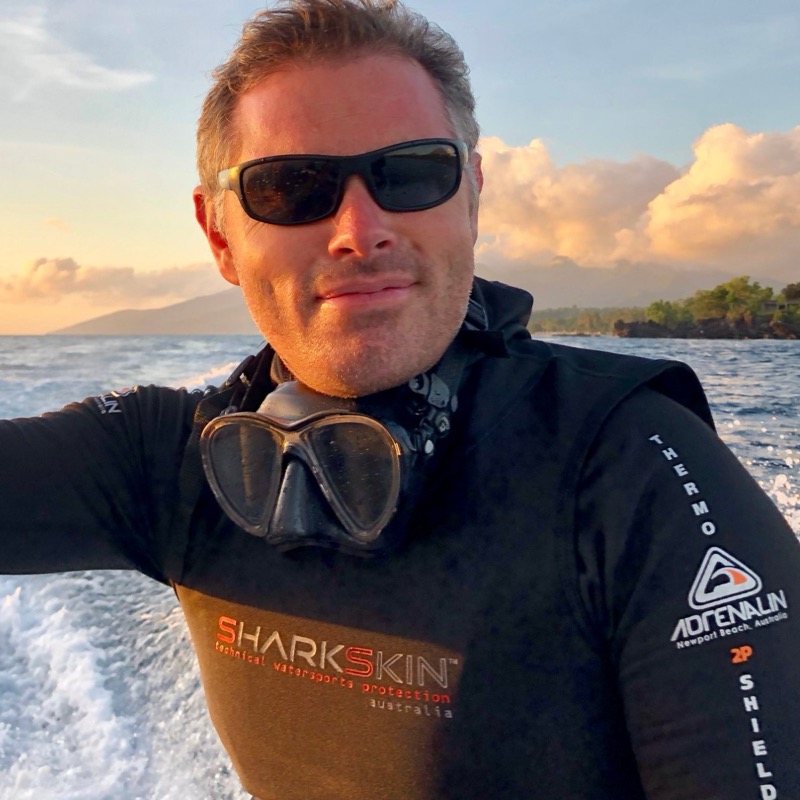
Yes, I do realize this is the same as Simon’s top pick for a snorkel mask: it’s just a really great dive mask.
What I love about this scuba diving mask: The Cressi Big Eyes is a low-profile twin-lens mask with a rigid frame. The “Evo” part is a reinforced silicone skirt design that makes it adaptable and comfortable to most face shapes. The thin inner seal around the nose pocket also seals pretty well against stubble apparently, should you be on holiday and enjoying your 5 o’clock shadow. The reinforced part of the seal stops the mask from compressing underwater as you descend, so you can avoid looking like a raccoon upon surfacing. The classic Cressi teardrop lens design gives a great field of vision. This is one of the best-selling masks for Cressi, and it’s favored by many scuba diving professionals.
The Cressi Big Eyes come in six color combinations. These masks are also available with HD mirrored lenses with several different optical corrections from -1 to -6, as well as offering comprehensive sizing options. This mask is good for snorkeling and freediving as well as diving (indeed, it’s so good that it’s our top pick for snorkelers too). It comes with its own storage box for travel as well.
Opinion: Dive professionals (in this case my husband, who has a “regal” nose) note that the high bridge and nose pocket design means it’s great for those with generous face topography. Simon uses his Big Eyes Evolution mask for both diving and snorkeling, and loves it.
Cons: Nothing really. It has a long name I suppose? I’m stretching here. They’re great masks. That said, several owners report occasional leaking despite the seal design.
Best Entry-Level Dive Mask Cressi F1 Dive Mask
Why we like the F1 as a budget or backup pick: Like the Hollis M1 and Oceanic Shadow, the Cressi F1 is frameless, so it takes up little room in a BCD pocket or travel bag, and it folds flat for travel. Its listing describes a tempered glass lens, a silicone skirt, a soft nose pocket and quick-adjust buckles, at a price that makes it an easy first mask.
Cons: Frameless masks don’t have the durability of solid-frame masks. Several owners report leaking around the nose or fogging more than expected.
Skip it if you want a framed mask, which is more durable.
Best Dive Mask with Color Correction ScubaPro Spectra Dive Mask
What I love about this dive mask: The Spectra has been around for a while (like, a decade), and it’s still super popular. Recently, Scubapro has upgraded this classic mask with mirrored lenses. It’s made an excellent mask even better. The Spectra is made from tempered glass for durability, with the newer mirrored lenses offering glare-free and more true-to-life color underwater. The finish also protects your eyes at the surface (like sunglasses). Added bonus: they look very, very cool.
The painted “ombre” finish on the frame of the Spectra is very sleek, but it can get scratched away with abrasion. The framed design, though, means it holds its shape well during storage and enhances overall durability. Scubapro has thinned out the frame section near the nose pocket and added baffles (ridges) so that it’s easier to equalize, which is a nice functional change.
Overall the Spectra has a practical and stylish design and is deservedly highly-rated in both its mirrored and non-mirrored lens iterations.
Prescription lenses: Get Wet sells the Spectra with ready-made prescription lenses, or made to your own prescription if you have astigmatism or need bifocals. The custom version takes around two to three weeks and can't be returned, so make sure the mask fits you first.
Cons: Scubapro lists the Spectra for average faces, so be cautious if you fall into the “generous face size” or “regal nose” category. For small or narrow faces it also makes a scaled-down version, the Spectra Mini. If you opt for the mirrored lenses, it’s harder for people to see your eyes, which may be positive or negative depending on how patient you are with your buddy. The mirrored finish is on the outside of the mask, and is softer than the glass, so it can easily scratch; the Spectra benefits from a bit of care both in use and during travel.
Skip it if you have a generous face size or a large nose.
Also consider Hollis M1 Frameless
Best Dive Mask for Big Noses Hollis M1 Frameless Dive Mask
Mads' mask
What I love about this dive mask: The Hollis M1 is a frameless, low-volume mask with a large single lens made of crystal-clear tempered glass. The lack of a frame, along with the double silicone skirt seal, means this mask is very flexible and will mold to your face shape; this, plus the design of the nose pocket, means that those with a generous nose will get a comfortable fit. The Hollis is compact and lightweight and is perfect for travel as it takes up little space.
The design makes this quite a macho mask. Add a pair of the Apeks RK3 vented fins and you can be most of the way to becoming a Navy SEAL ninja warrior. That said, Mads uses a Hollis for diving and is not notably militaristic.
Prescription lenses: The M1 has a single lens, so it can't take pop-in prescription lenses, but Get Wet sells it made to your own prescription, including for astigmatism and bifocals. Custom masks take around two to three weeks and can't be returned.
Cons: Frameless masks don’t have the durability of solid frame masks. Take care to prep the mask for defogging carefully, as fogging is an issue that pops up in some reviews. This mask is also a little pricey, but as above you’ll look like a Navy SEAL, so it’s probably worth it. Several owners also report occasional leaking.
Also consider Cressi F1
Best Dive Mask for Beards Atomic Aquatics Venom Dive Mask
What I love about this dive mask: This is a single-lens mask but has a high bridge, with teardrop shapes on either side, to provide an ultra-wide field of vision. The silicone skirt has a self-named “Gummi Bear Seal”, which sounds as comfortable as it is, and the soft silicone gives an excellent fit for those with facial hair. The high-end Schott Superwhite glass (imported from Germany no less) allows even more light to penetrate the lens than Ultraclear glass, giving impressive optical quality. The frame is halfway between a fixed and frameless mask so it’s less bulky but still well-supported. Overall, Atomic Aquatics has summed it up themselves: “wicked look, heavenly vision”. The hipster’s friend.
Prescription lenses: Single-lens masks like the Venom can't take pop-in prescription lenses, but Get Wet sells it made to your own prescription, including for astigmatism and bifocals. Custom masks take around two to three weeks and can't be returned.
Cons: This mask is a little wider than some masks, so may not give the best fit on those with a smaller or narrower face. It’s a pricey mask, but you’re paying for the high-end, high-quality glass in the lenses, which can ultimately make every dive a little nicer. Several owners report the frame digging into the forehead.
Skip it if you have a smaller or narrower face. It is a little wider than some masks.
Also consider Oceanic Shadow
Best Dive Mask for Small Faces Oceanic Shadow Dive Mask
What I love about this dive mask: The Shadow is a frameless mask with a single continuous lens. This mask has also been around for a while, but still ranks very highly, and dive professionals love this mask. The Shadow is a great choice for small faces as it comes in a “mini” size.
The Shadow also has loads of color options. If your dive buddy often uses you as a model, or if “mermaid” is mentioned in your bio, the Shadow has a clear skirt version that helps you look great in photos. Spearfishermen and photographers, on the other hand, often prefer a black skirt to reduce the potential for glare.
A nice bonus is that this mask comes standard with a neoprene strap, which many of us prefer, but it’s easy to change this one out for whatever you like. Overall the Shadow is very comfortable and great value for money.
Prescription lenses: Get Wet sells both the Shadow and the Mini Shadow made to your own prescription, including for astigmatism and bifocals. Custom masks take around two to three weeks and can't be returned.
Cons: The strap has webbing instead of an easy-adjust ribbed strap. It’s not as easy to adjust while on your face underwater, although most people don’t do this often anyway. Several owners say it runs wide rather than narrow, despite being sized for small faces.
Best Dive Mask for GoPro’s Octomask GoPro Dive Mask
What I love about this scuba diving mask: The Octomask is designed to have a GoPro attached to your mask throughout your dive, useful for those that want to film from a first-person perspective but need their hands free for other things: still camera, reef hook, or whatever. The Octomask is a genuinely comfortable and functional mask as well as a solid GoPro mount that doesn’t increase drag too much as you swim.
Top tips: remember to activate your “beeps” to let you know when the camera is recording, as you can’t see the GoPro, and try to move your head slowly so you don’t get seasick watching the video later. Your viewers will thank you. Get a buddy to check the GoPro is angled correctly too.
Cons: You might want to consider a second mask for the dives when you want your GoPro in your hands, or aren’t filming, as the attachment point can get in the way. Several owners report discomfort around the nose area.
Best Anti-Fog Dive Mask Cressi Calibro Dive Mask
What I love about this scuba diving mask: The Calibro mask has a new “fog stop” system inside the mask. As well as the standard double-seal skirt, the Calibro has a third seal around the nose pocket. When you breathe out, the warm moist air only gets into the nose pocket, reducing the fogging on the lenses. Food for thought: suntan lotion on your face also fogs up your mask, so this mask may also be worth considering for warm water scuba divers if you’ll be on the surface before or between dives. This is a low-volume mask with a good field of vision, so freedivers really like the Calibro too. This is a pretty stylish-looking mask that also comes in a mirrored lens version to up the “cool” factor (and also protect your eyes).
Cons: More of a tip really, but do prep your lenses properly to get the best out of the anti-fog system (see how to stop a mask fogging, below). This mask runs a bit small for its size.
Best Dive Mask for People with Ear Issues IST Pro Ear Diving Mask
What I love about this scuba diving mask: This mask was designed specifically for people who have trouble equalizing, or tend to get ear infections, and for cold water divers who don’t like wet ears in general. The IST Pro has integrated ear pockets that help you equalize and keep your ears dry while diving. Each ear pocket connects to the inside of the mask via a hose which means they equalize at the same internal pressure as the inside of your mask. The soft silicone double skirt provides a comfortable fit for both your face and your ears.
Granted, this is an odd-looking mask, but if you have sensitive ears this could be a game-changer. One of my dive pro friends notes that “despite making the wearer look like a WWI fighter pilot, I do hear good things from those who suffer from ear problems when diving.”
Cons: Some people have had issues getting the ear covers and head strap in the right place for it to work for their face and head shape. Several owners report water still gets into the ear pockets despite a good fit.
Still not sure? Which dive mask is right for me?
- Not sure, want the safe choiceCressi Big Eyes Evolution Dive Mask
- On a budget, or want a first or backup maskCressi F1 Dive Mask
- You want true-to-life colour and UV protectionScubaPro Spectra Dive Mask
- You have a larger noseHollis M1 Frameless Dive Mask
- You have a beard or a moustacheAtomic Aquatics Venom Dive Mask
- You have a smaller faceOceanic Shadow Dive Mask
- You want to film with a GoProOctomask GoPro Dive Mask
- Your masks keep foggingCressi Calibro Dive Mask
- You have sensitive ears or trouble equalisingIST Pro Ear Diving Mask
Why you can trust this guide
Dr. Clare Prebble is a marine biologist who dives, snorkels, and freedives for a living. She is a Senior Scientist at the Marine Megafauna Foundation, where she is part of the global whale shark research and conservation team, and has a PADI Divemaster qualification. She is also an underwater photographer, and has done thousands of dives across the world. Her research, opinions, and photography have been featured in major media outlets, including National Geographic, The Guardian, and Travel Africa. Clare has done over 1,000 dives so far in a multitude of conditions for research and recreation, including hectic research dives in heavy currents to study whale sharks in the Galapagos Islands, quarry diving in the UK (ever so briefly, brrrrrr), some outstanding macro photography muck diving in Tulamben, Indonesia, and liveaboard diving in Komodo National Park. Not least, she lives and dives most regularly in Mozambique. She is not sponsored by any dive gear manufacturers, isn’t incentivized to promote any particular brand, and uses a variety of gear herself.
Clare’s frequent travel to remote locations, and pioneering scientific fieldwork, gives her gear a thorough test on a regular basis. That provides her with a lot of practical experience in the benefits and drawbacks of various dive and snorkel gear features and innovations. Expect her opinions to be delivered dry, pointed, and unvarnished, and generally in a rather sarcastic tone.
With additional commentary from…
Simon Pierce is a shark conservation biologist and underwater photographer with well over 2000 dives in all sorts of conditions around the world. Simon is a co-founder and Principal Scientist at the Marine Megafauna Foundation, where he leads the global whale shark research and conservation program. His marine research and photography are routinely covered by major media outlets, including the BBC, National Geographic, Discovery Channel, and New York Times amongst many others. One of his photographs was chosen as a personal favorite of Sir David Attenborough’s, in conjunction with BBC’s Blue Planet II series, and another illustrates one of the global PADI scuba diving certification cards.
As seen in:

Buyer’s guide to the best dive mask for 2026
Here’s how we picked our dive masks, and what to look for when you buy one.
How I identified the best dive masks
- My own practical experience over 1,000 dives, and discussions with Simon and Mads.
- Various online reviews of dive gear to help create shortlists. Check out Simply Scuba on YouTube for some excellent product videos.
- Buyer comments and reviews on shortlisted gear to broaden the sample size, and particularly to search for evidence of equipment failure.
- Dive professional and other marine biologists’ opinions on my top picks, who use and destroy a lot of gear themselves, as well as hearing their customers’ and colleagues’ views.
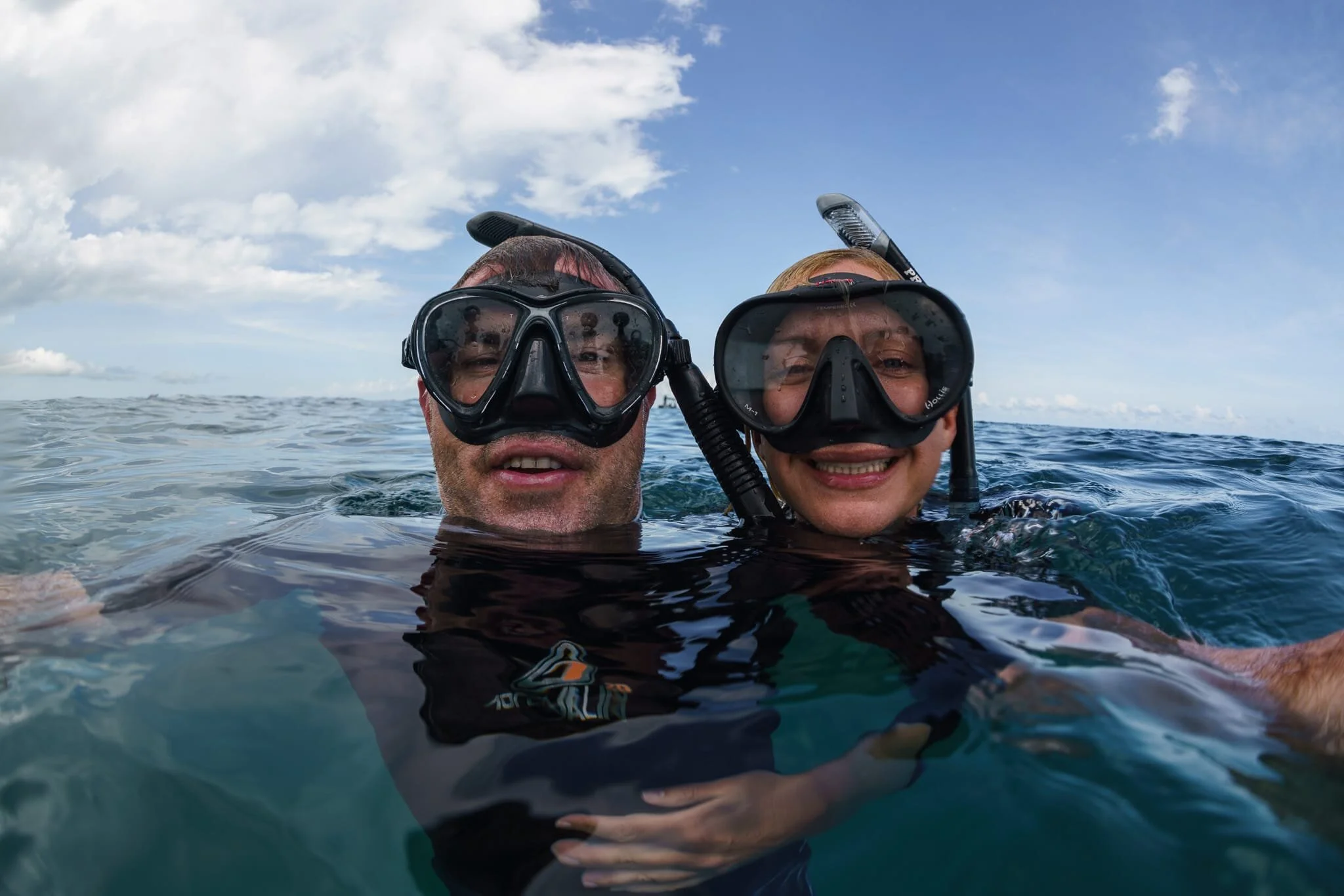
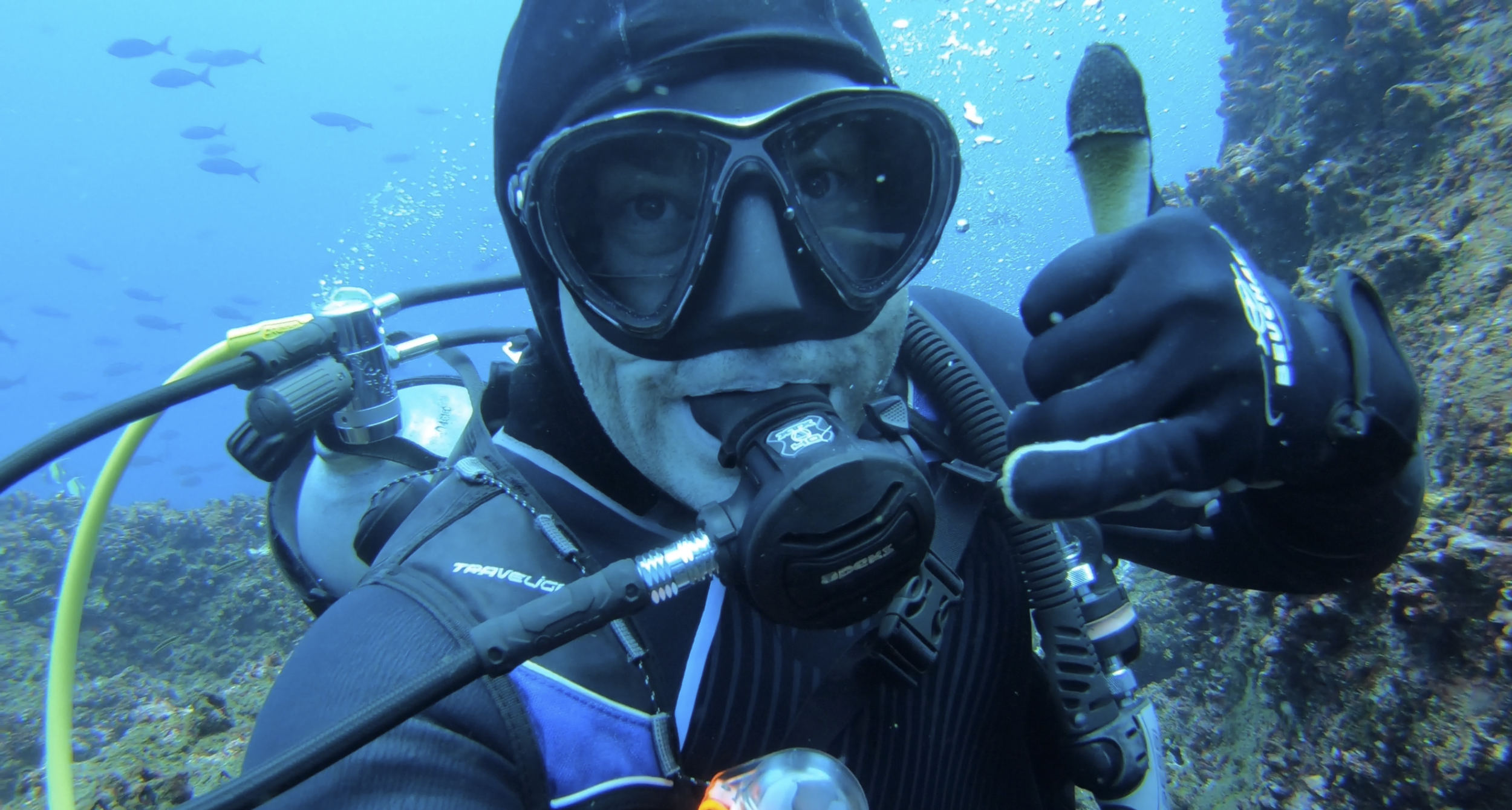
Simon with the Cressi Big Eyes, Mads with her Hollis M1 Frameless.
Things I considered when choosing the best dive mask options
- Great visibility. This comes from a combination of high-quality glass and the overall design: having a larger viewing “window” and better peripheral vision allows you to see more awesome stuff.
- Comfort. The key factor, hence why we’ve broken down the categories by face shapes. The design of the silicone seals is a big differentiator here too.
- Quality construction and durability. Older mask designs actually have some advantage here, as we can check in with dive instructors and across hundreds of online reviews to check for issues.
- Tempered glass. These provide better clarity and they’re far tougher to avoid breakages and remain free of scratches.
- Dark silicone skirt to focus your viewing, at least as an option. Clear skirts let in more sunlight, which looks good in photos (as you can see the eyes), but adds glare when you’re near the surface. Clare and Simon are both photographers, so we prefer dark frames.
- Single-lens masks were (slightly) preferred to maximize visibility, though our top pick actually has a double lens.
- Low profile masks have a reduced air volume, which makes it easier to clear if water gets in, and also increases visibility. They also make for better snorkel options, which is nice if you use a mask for both activities, as we often do.
How do I choose the right size dive mask?
Correct size and fit of masks is the main consideration here, and helping sort through the options is the point of this article. Although masks really only come in two main categories, single or twin lenses, there are many different shapes and sizes out there to accommodate every face shape. Ultimately it’s pretty easy to test whether a mask is the right size for you: simply put the mask on your face, without putting the strap over your head, and breathe in. If the mask creates a vacuum on your face and stays there by itself, and feels comfortable, you’re good. In case it doesn’t, keep your receipt so you can return it.
Dive mask lens coatings
As things in the scuba diving world get more fancy and science-y (and product differentiation-y), designers have been developing new lens types and treatments to improve your mask. UV ray blocking masks do what they say on the tin: they block harmful UV rays from getting through the mask. This is a great feature for sunny diving and snorkeling locations where you need to protect your eyes and reduce glare, particularly if you’re likely to be spending time on the surface.
Mirrored and true-color masks have the same UV blocking features, but are also tinted with red/orange/yellow which gives your dive a more “true to life” color as they help to correct for water’s natural light filtering (things get bluer or greener as you go deeper, not just darker). That’s really nice for your dive experience.
Another common type of lens treatment is the anti-fog or fog-resistant technology. This is a hydrophobic coating that prevents “fog” from forming on the glass of the lens. These are optional extras for a lot of masks, but worth considering if you want to “level up” your dive experience.
Frame or frameless dive masks?
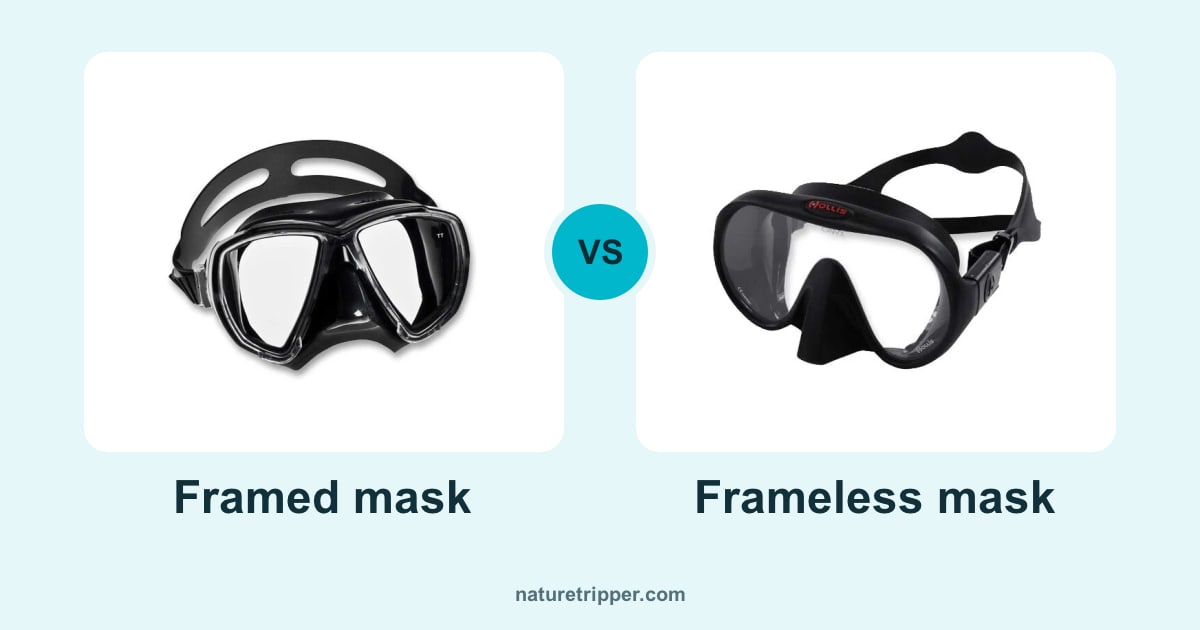
This is a simple one really: some masks have solid frames to help maintain the shape of your mask, which is great for durability. Frameless masks still have a frame, but they’re malleable and can be squeezed into the pocket of a BCD really easily. Frameless masks are popular as backup masks for frequent divers for this very reason, and some people find them more comfortable overall, as the whole mask can adjust to the shape of your face.
To slap strap or not to slap strap?
No, not those bracelets that irritated all parents in the 90’s. Slap straps, in diving, are a neoprene cover that goes over the silicone strap of your mask. Some mask models do come with a neoprene cover (for example the Oceanic Shadow) but you can retrospectively buy one of these for most masks. For me, they make getting your mask on so much easier, and getting them off so much less painful. I have long curly hair, the worst for diving, as you end up with a bird’s nest 100% of the time. I find this inexpensive piece of kit invaluable as it prevents your hair from getting tangled in the mask straps. There are so many designs, but I would suggest supporting a marine NGO if you can, as many will produce slap straps as merch to raise money for conservation initiatives (if you’re in Indonesia, head over to MMF in Lembongan).
If you have hair, and want to keep it attached to your head, the answer is always yes to slap straps. Always. But they do slide off your head a little easier during back-roll entries.
Note: Simon has never heard the term “slap strap” before. This might be some weird Clare, UK thing. Neoprene straps are definitely way nicer though.
Look for ‘low profile’ dive masks
Low profile masks are great as they decrease mask lens volume for easier equalization and increase visibility. They’re also far better for snorkeling and free-diving if you want a mask that covers these too.
- High volume dive masks mean more compression on descent, thus more times you’ll need to equalise your mask.
- Low volume dive masks mean reduced compression as you descend, lowering the number of times you’ll need to equalise your mask.
Dive mask windows: single, multi, or double lens?
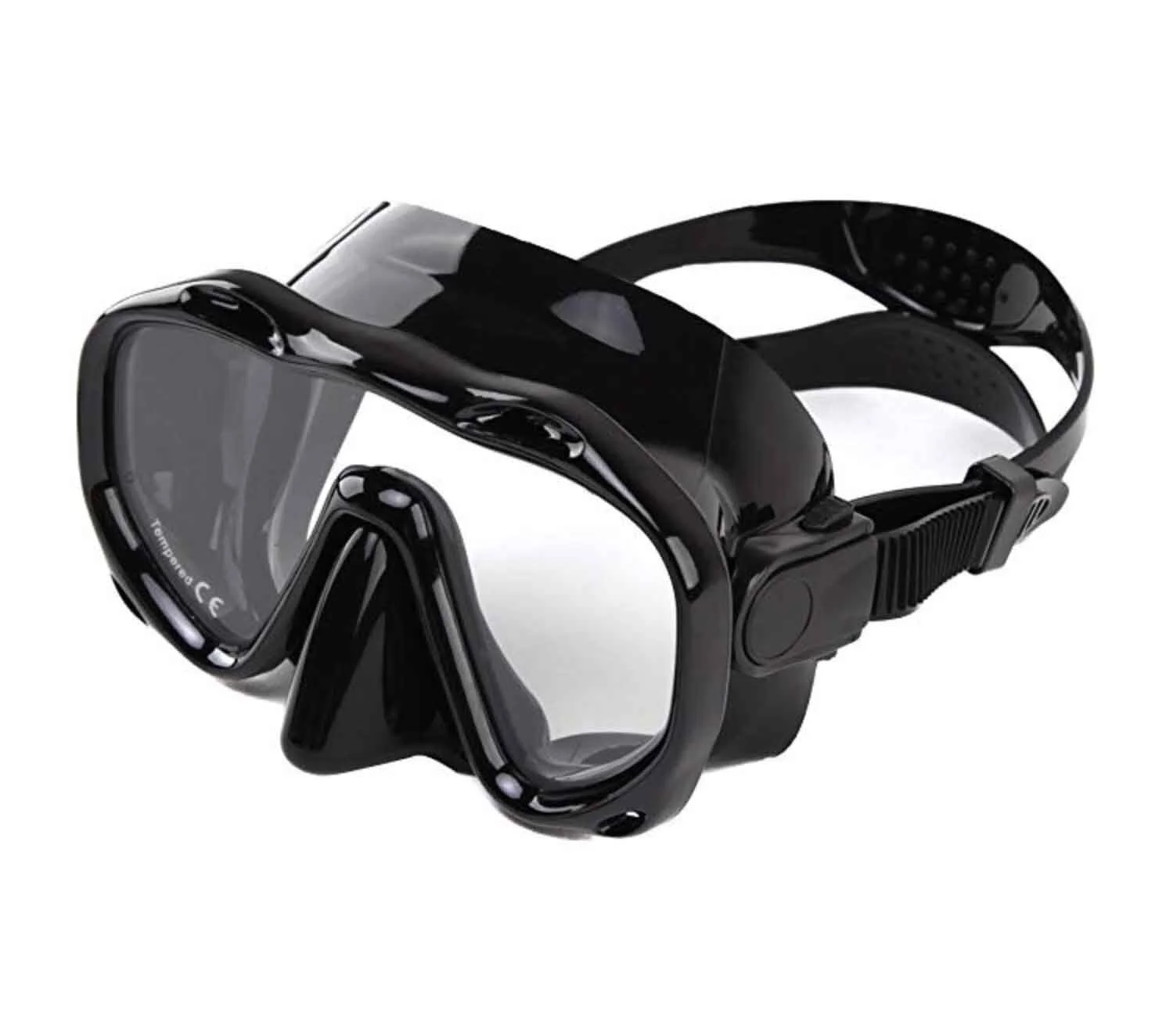
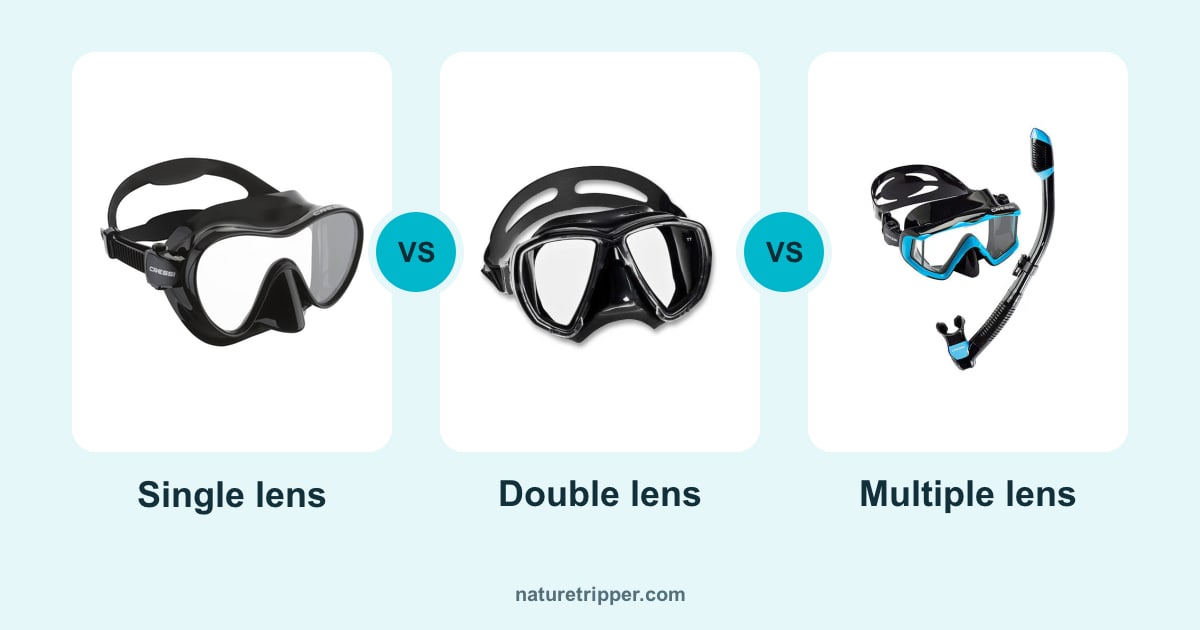
Single lens window masks have one big window with no frame across the nose, which lets in more light and enhances vision overall. This makes it easier to fit larger noses. It also offers a more open feel. Keep in mind you won’t be able to get replacement prescription lenses for single-lens masks though. The exception is a custom-made mask: Get Wet makes prescription versions of three of our single-lens picks, the Hollis M1, Atomic Aquatics Venom and Oceanic Shadow.
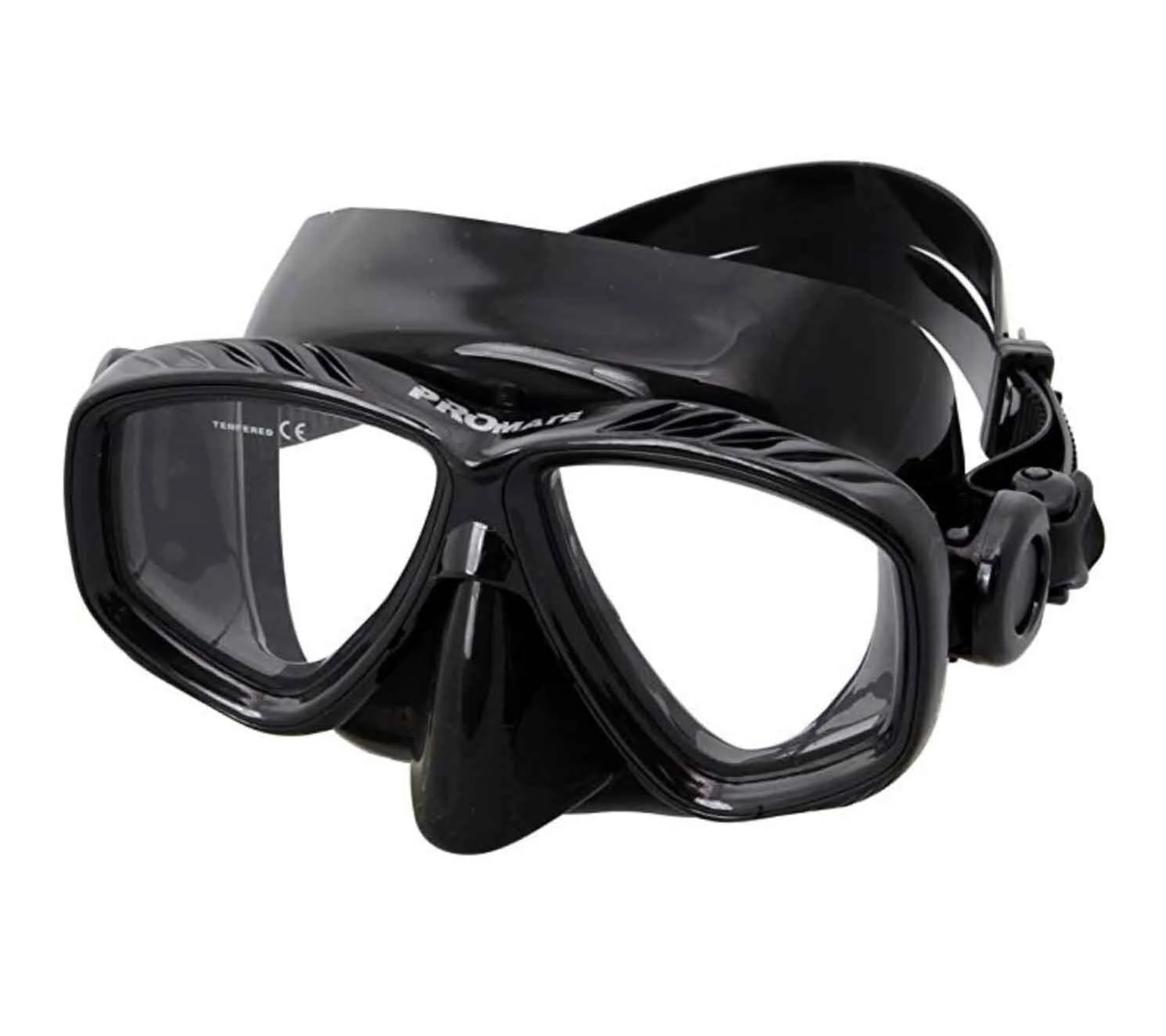
Double lens windows have a separate glass plane for each eye separated by the nose frame. These are more common and have a lower lens volume (which is good). Prescription lenses are designed for use with double lens masks.
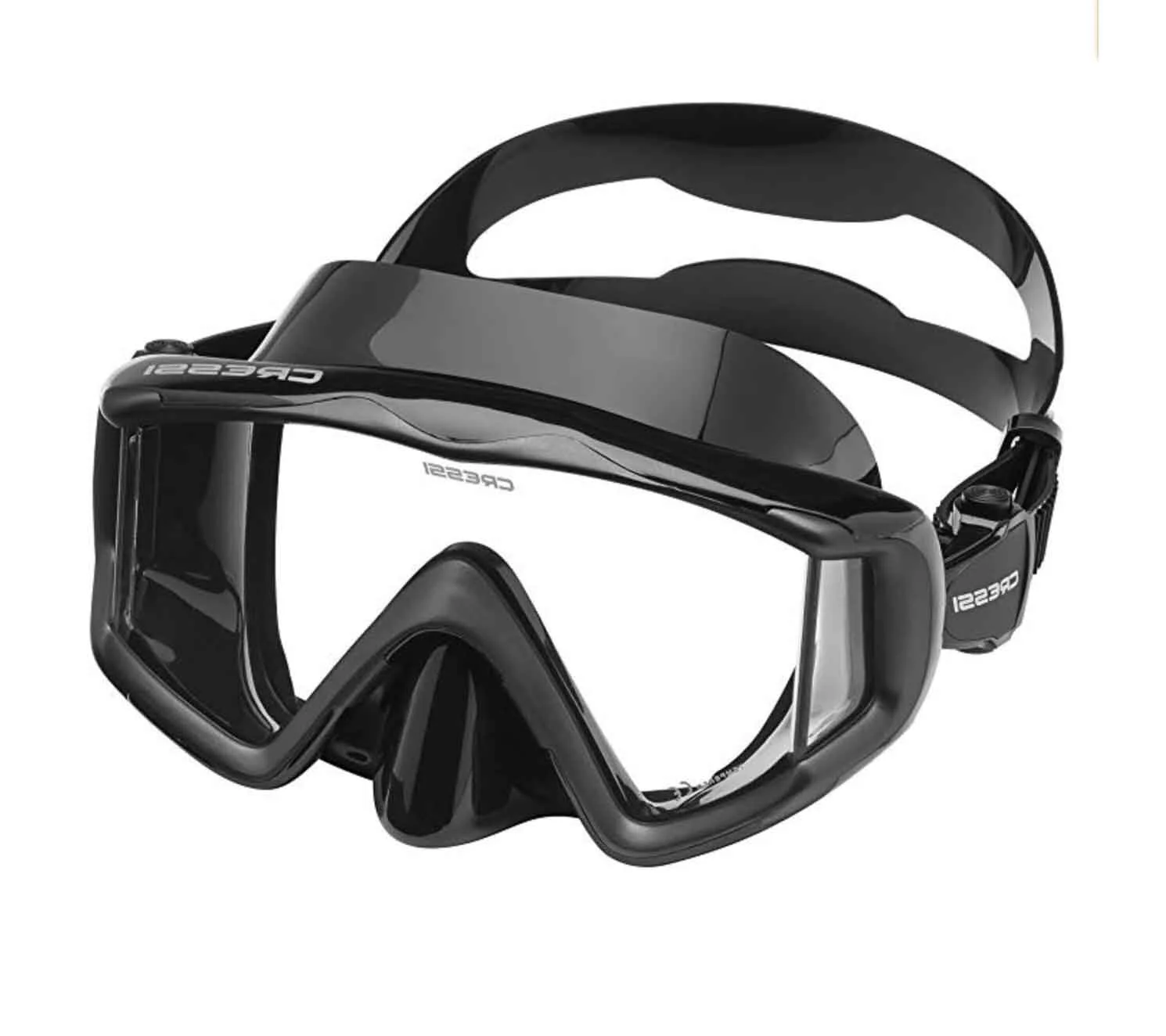
Multiple lens windows have additional windows down the sides giving a greater field of view, letting in more light, but adding lens volume.
Diving vs snorkeling masks
You can use your diving mask for snorkeling with no issues, although some are better than others (noted in our reviews above). A low-volume mask with a very soft silicone nose makes equalization easier.
How to stop your dive mask from fogging
New masks carry a thin silicone film from manufacturing, which is the main cause of fogging.
- Scrub the lens with toothpaste. Spread non-whitening toothpaste across the inside of the lens with a soft-bristled toothbrush.
- Leave to dry in a shady spot, then rinse thoroughly in plenty of water, repeating until it’s completely clean.
- Defog just before you get in the water, with your own spit or an anti-fog product.
BTW, I’ve listed all our winners for best dive gear here that includes my best Dive computers, Dive Masks, Dive Fins, BCDs, Regulators, and Full-Face Dive Masks in 2026.
Best dive masks: your questions answered
Which is better, Cressi or TUSA?
It depends on your face more than the brand. Our overall pick, the Cressi Big Eyes Evolution, fits the majority of face shapes well. For wider faces, our snorkel mask guide recommends the TUSA Freedom Elite. The best test is fit: press the mask to your face without the strap and breathe in gently. A mask that seals will hold itself there.
Which dive mask has the best field of view?
Masks with a big lens and a low profile give the widest view. Among our picks, the Atomic Aquatics Venom has a single lens with teardrop shapes either side for an ultra-wide view, the Hollis M1 has a large single lens, and the Cressi Big Eyes Evolution’s teardrop lens design gives a great field of vision.
Is Cressi a good diving mask?
Yes. The Cressi Big Eyes Evolution is our overall pick: it is comfortable during long dives, it doesn’t leak, and it is one of Cressi’s best-selling masks and favored by many scuba diving professionals. Simon uses his for both diving and snorkelling. Cressi also makes our entry-level pick, the F1, and the Calibro.
How do I choose the right size dive mask?
Ultimately it’s pretty easy to test whether a mask is the right size for you: simply put the mask on your face, without putting the strap over your head, and breathe in. If the mask creates a vacuum on your face and stays there by itself, and feels comfortable, you’re good. In case it doesn’t, keep your receipt so you can return it.
Single, double or multiple lens: which is best?
Single lens windows have one big window with no frame across the nose, which lets in more light and enhances vision overall. This makes it easier to fit larger noses. Keep in mind you won’t be able to get replacement prescription lenses for single-lens masks though. Some single-lens masks can be custom-made to your prescription instead. Double lens windows have a separate glass plane for each eye separated by the nose frame. These are more common and have a lower lens volume (which is good), and prescription lenses are designed for use with double lens masks. Multiple lens windows have additional windows down the sides giving a greater field of view, letting in more light, but adding lens volume.
Frame or frameless dive mask?
Some masks have solid frames to help maintain the shape of your mask, which is great for durability. Frameless masks still have a frame, but they’re malleable and can be squeezed into the pocket of a BCD really easily. Frameless masks are popular as backup masks for frequent divers for this very reason, and some people find them more comfortable overall, as the whole mask can adjust to the shape of your face.
What do UV, mirrored and anti-fog lens coatings do?
UV ray blocking masks do what they say on the tin – they block harmful UV rays from getting through the mask. Mirrored and true-color masks have the same UV blocking features, but are also tinted with red/orange/yellow which gives your dive a more ‘true to life’ color as they help to correct for water’s natural light filtering (i.e. things get bluer or greener as you go deeper, not just darker). Another common type of lens treatment is the anti-fog or fog-resistant technology. This is a hydrophobic coating that prevents ‘fog’ from forming on the glass of the lens.
How do I stop my dive mask fogging?
New masks carry a thin silicone film from manufacturing, which is the main cause of fogging. Before first use, scrub the inside of the lens with non-whitening toothpaste and a soft-bristled toothbrush, let it dry in the shade, then rinse thoroughly. Just before you get in the water, defog with your own spit or an anti-fog product.
Should I use a slap strap?
Slap straps are a neoprene cover that goes over the silicone strap of your mask. Some masks come with one (for example the Oceanic Shadow) and you can buy one for most masks. If you have hair, and want to keep it attached to your head, Clare says the answer is always yes. They do slide off your head a little easier during back-roll entries.
Can I use a dive mask for snorkelling?
You can use your diving mask for snorkeling with no issues, although some are better than others (noted in our reviews above). A low-volume mask with a very soft silicone nose makes equalization easier.
What is the best scuba mask for beards?
The Atomic Aquatics Venom. Its soft ‘Gummi Bear Seal’ silicone skirt gives an excellent fit for those with facial hair, and it has great peripheral vision. The ScubaPro Synergy 2 Trufit in our snorkel mask guide is another good option: its skirt seals under your nose rather than on your beard.
The bottom line
Get the Cressi Big Eyes Evolution
It is comfortable on long dives, doesn't leak, suits most face shapes and comes with optical lens options. If it doesn't suit your face, the ScubaPro Spectra gives true colour and UV protection, the Hollis M1 Frameless gives a big nose room, the Atomic Aquatics Venom suits beards and the Oceanic Shadow suits small faces.
Best dive masks for 2026 at a glance
Every pick in one table. Swipe sideways on a phone.
| Pick | Best for | Watch out for |
|---|---|---|
| Cressi Big Eyes Evolution | Best Dive Mask Overall | Nothing really. It has a long name I suppose? I’m stretching here. They’re great masks. That said, several… |
| Cressi F1 | Best Entry-Level Dive Mask | Frameless masks don’t have the durability of solid-frame masks. Several owners report leaking around the… |
| ScubaPro Spectra | Best Dive Mask with Color Correction | Scubapro lists the Spectra for average faces, and makes a scaled-down Spectra Mini for small or narrow… |
| Hollis M1 Frameless | Best Dive Mask for Big Noses | Frameless masks don’t have the durability of solid frame masks. Prep the mask carefully for defogging, as… |
| Atomic Aquatics Venom | Best Dive Mask for Beards | This is a pricey mask, but you’re paying for the high-end, high-quality glass in the lenses, which can… |
| Oceanic Shadow | Best Dive Mask for Small Faces | The strap has webbing instead of an easy-adjust ribbed strap. It’s not as easy to adjust while on your face… |
| Octomask GoPro | Best Dive Mask for GoPro’s | You might want to consider a second mask for the dives when you want your GoPro in your hands, or aren’t… |
| Cressi Calibro | Best Anti-Fog Dive Mask | Prep your lenses properly to get the best out of the anti-fog system (see how to stop a mask fogging,… |
| IST Pro Ear | Best Dive Mask for People with Ear Issues | Some people have had issues getting the ear covers and head strap in the right place for it to work for… |
Last updated on