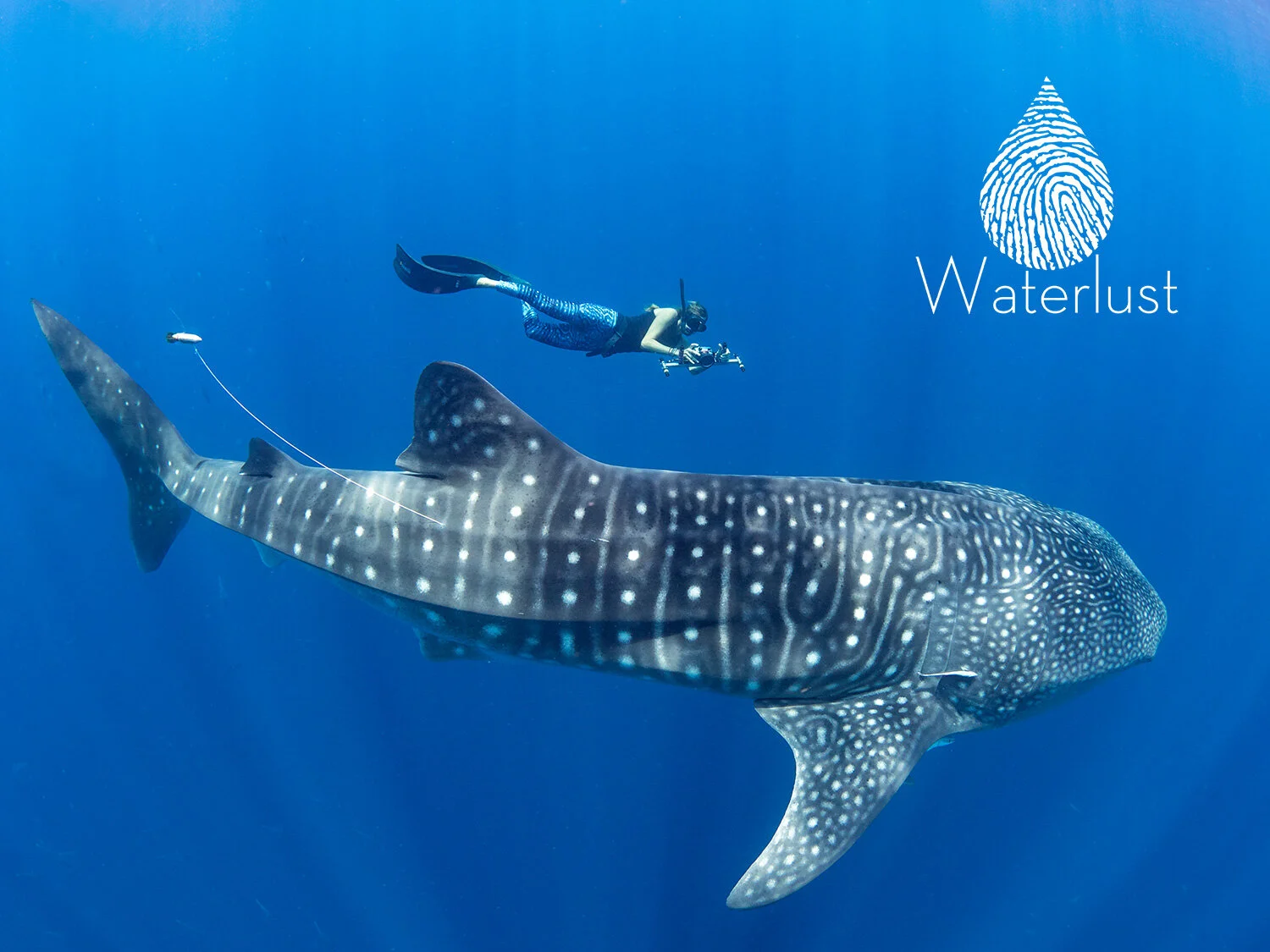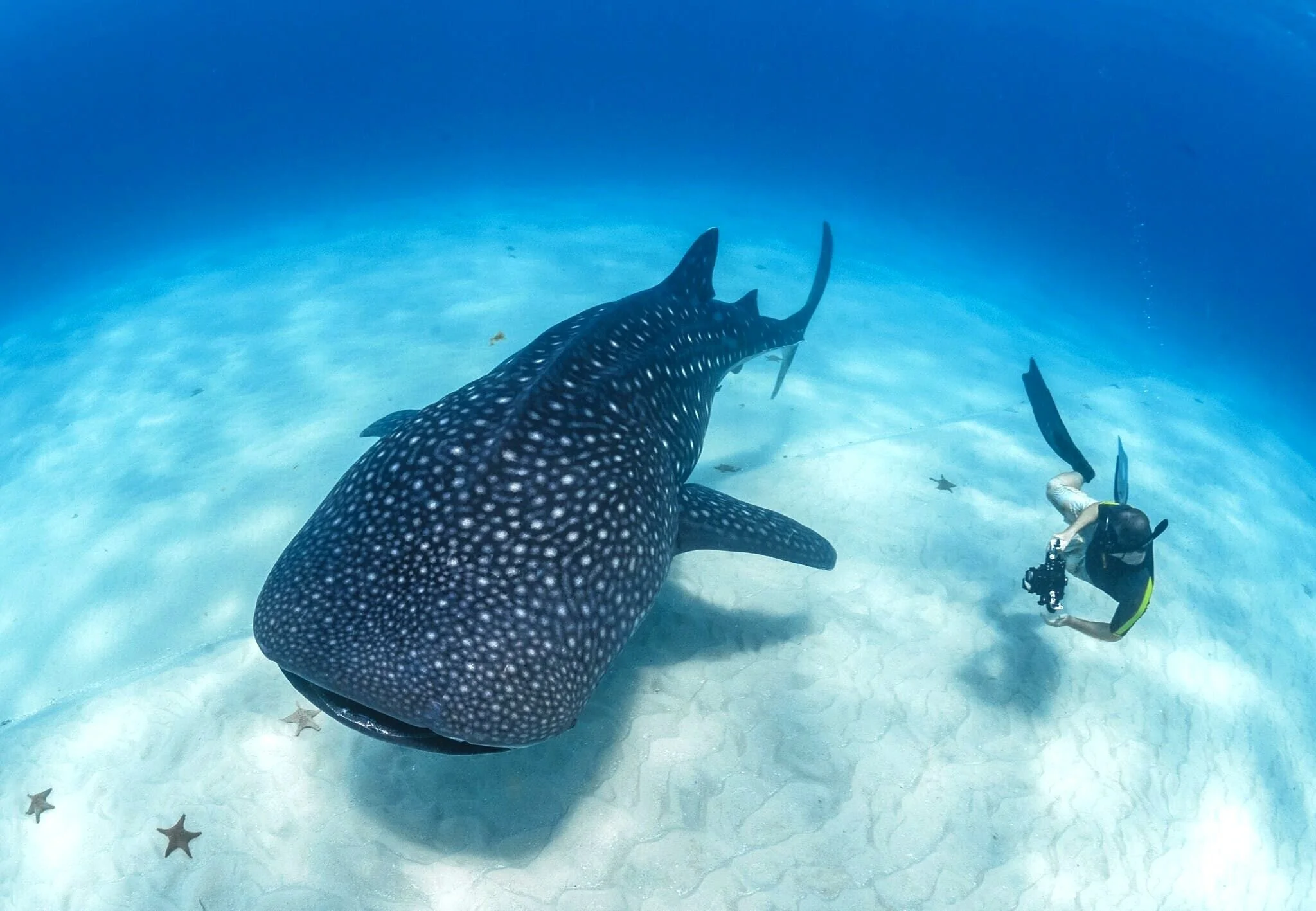

Freediving fins are how we keep up with whale sharks, manta rays and the other megafauna we study. Simon’s whole research team at the Marine Megafauna Foundation works in them, because long blades are the only way to keep up with the wildlife.
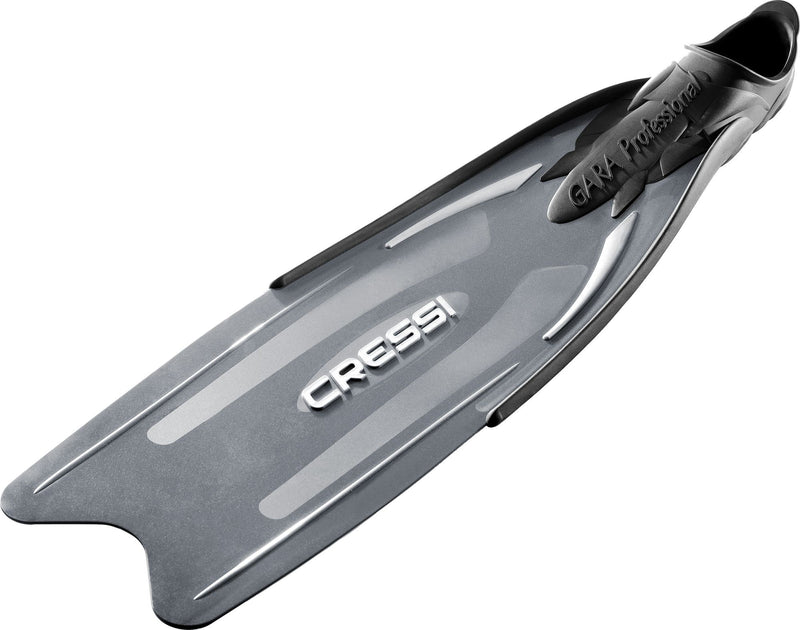
The best freediving fins for most people are the Cressi Gara Professional LD, Simon’s own freediving fins. “They’re freediving fins but a bit more flexible than most, because they’re designed for long-distance surface swimming,” he says. Freediving fins are great underwater but can be hard work at the surface, and that softer blade makes the LD easier up top than most.
Below you’ll find picks for beginners, travel, and fibreglass and carbon blades for going deeper, plus how to choose, and how to get off the boat without snapping a blade. If you mostly snorkel at the surface, our guide to the best snorkel fins is the one for you.
The Cressi Gara Professional LD is the best freediving fin for 2026: a softer long blade that dives well and stays easy on your legs on long surface swims with wildlife. They’re Simon’s own freediving fins, and his research team works in long fins because nothing else keeps up with whale sharks and manta rays. New to freediving? The Seac Motus is a comfortable, forgiving first fin. Carbon and fibreglass blades give more push per kick, but cost more and need more care. Whatever you buy, roll or slip into the water: a giant stride can snap long blades.
The best freediving fins for 2026 are:
Quick comparison: best freediving fins for 2026
Read the full guideStart with these two. If your needs are different, there is a pick for you below.
Our pick
Simon's fins

Cressi Gara Professional LD Freediving Fins
They’re freediving fins but a bit more flexible than most, because they’re designed for long-distance surface swimming.
Best Freediving Fins for Beginners
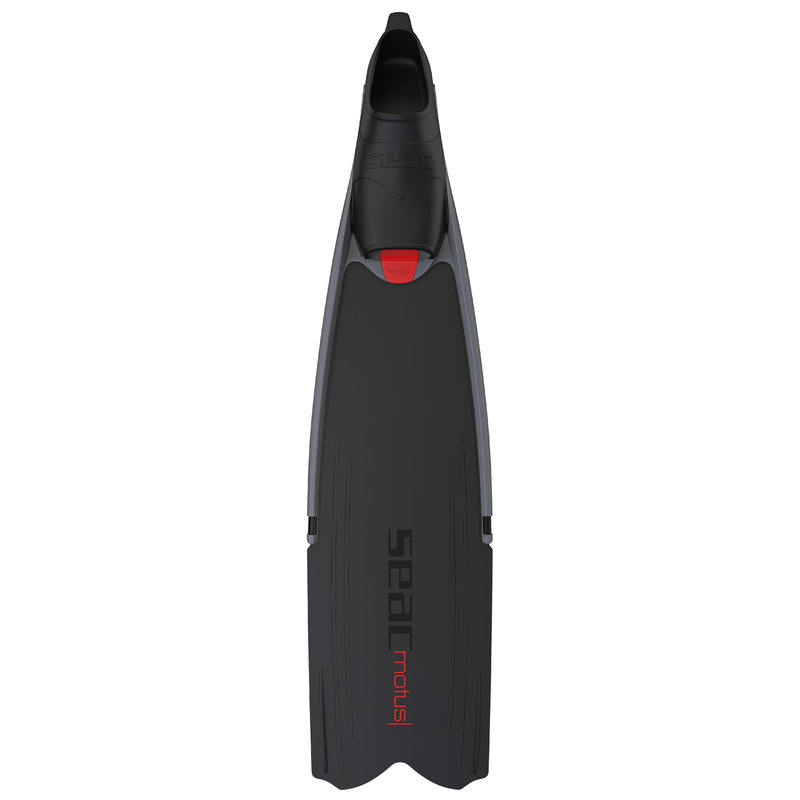
Seac Motus Freediving Fins
An easy, comfortable first freediving fin, with a foot pocket that’s kind to your feet.
Picks for specific needs
Best Budget Freediving Fins
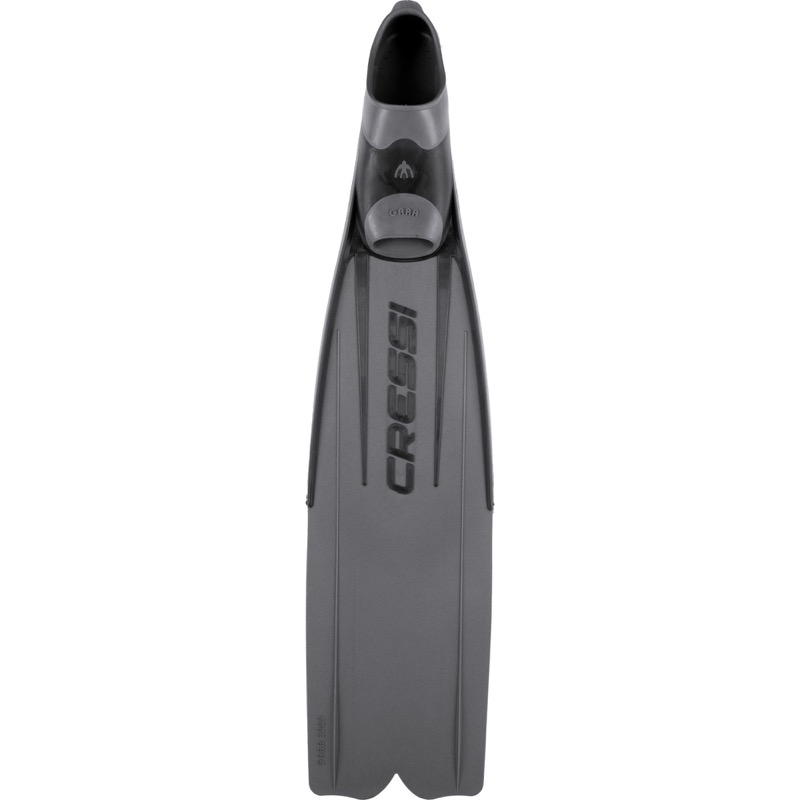
Cressi Gara 3000 LD Freediving Fins
Cressi’s way into long-blade fins: a soft blade that’s easy on the legs, for less than most.
Best Freediving Fins for Travel
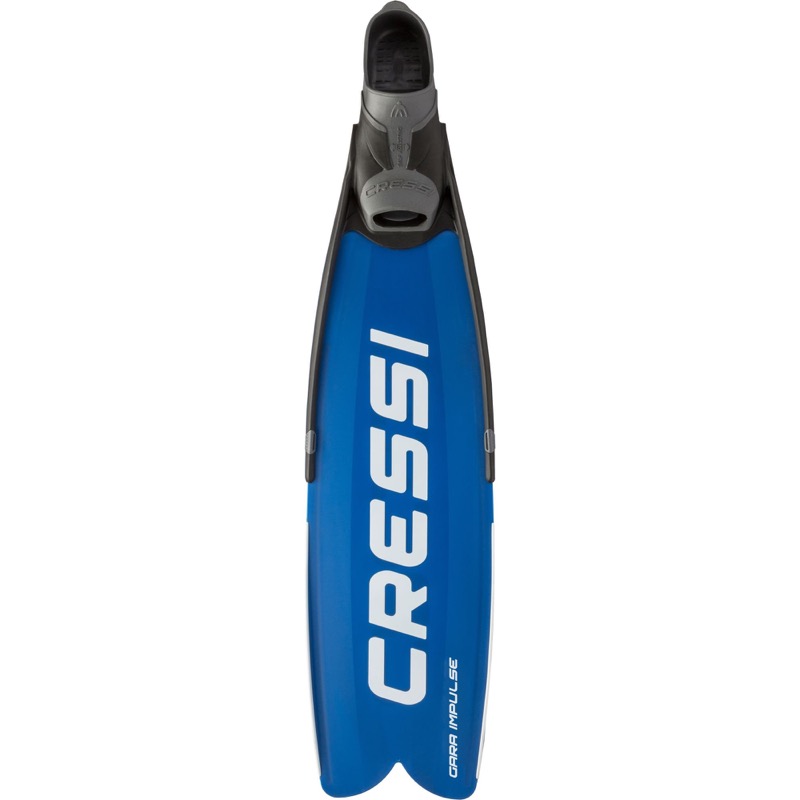
Cressi Gara Modular Impulse Freediving Fins
The blade comes off the foot pocket, so it packs flatter, and you can upgrade to carbon later without new foot pockets.
Best Fiberglass Freediving Fins
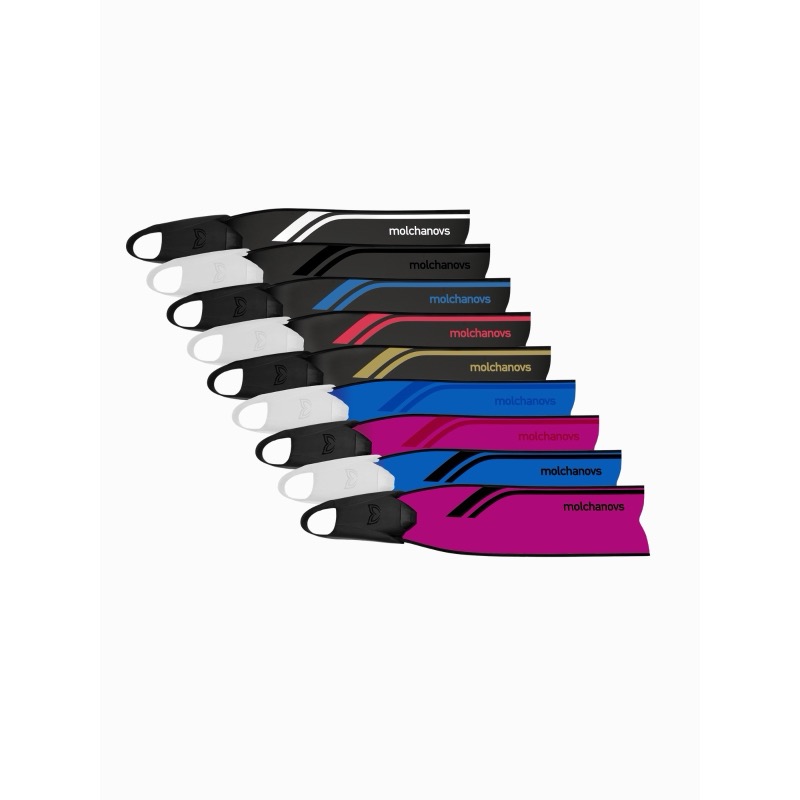
Molchanovs SPORT Bifins 3 Fiberglass Freediving Fins
Long fibreglass blades on silicone foot pockets, for an easy kick that still moves you.
Best Carbon Freediving Fins
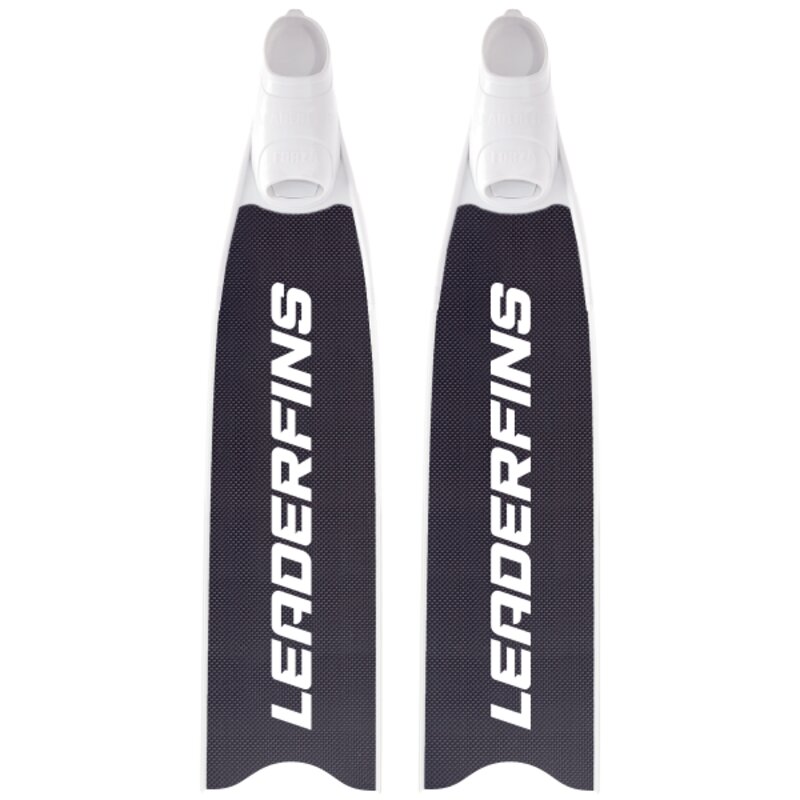
Leaderfins Pure Carbon Freediving Fins
Carbon gives you the most push for the least effort, and this is one of the few carbon fins you can buy on Amazon US.
Explore this guide 11 sections
- The best freediving fins for 2026 are:
- Quick comparison: best freediving fins for 2026
- Best freediving fins for 2026: the full reviews
- Still not sure? Which freediving fins are right for me?
- How we identified the best freediving fins
- Things to consider when choosing freediving fins
- Plastic vs fiberglass vs carbon freediving fins
- Freediving fins at the surface
- How to get in the water with freediving fins
- Best freediving fins: your questions answered
- Best freediving fins for 2026 at a glance
Best freediving fins for 2026: the full reviews
Best Freediving Fins Overall Cressi Gara Professional LD Freediving Fins
Simon's fins
They’re freediving fins but a bit more flexible than most, because they’re designed for long-distance surface swimming.
Simon Pierce
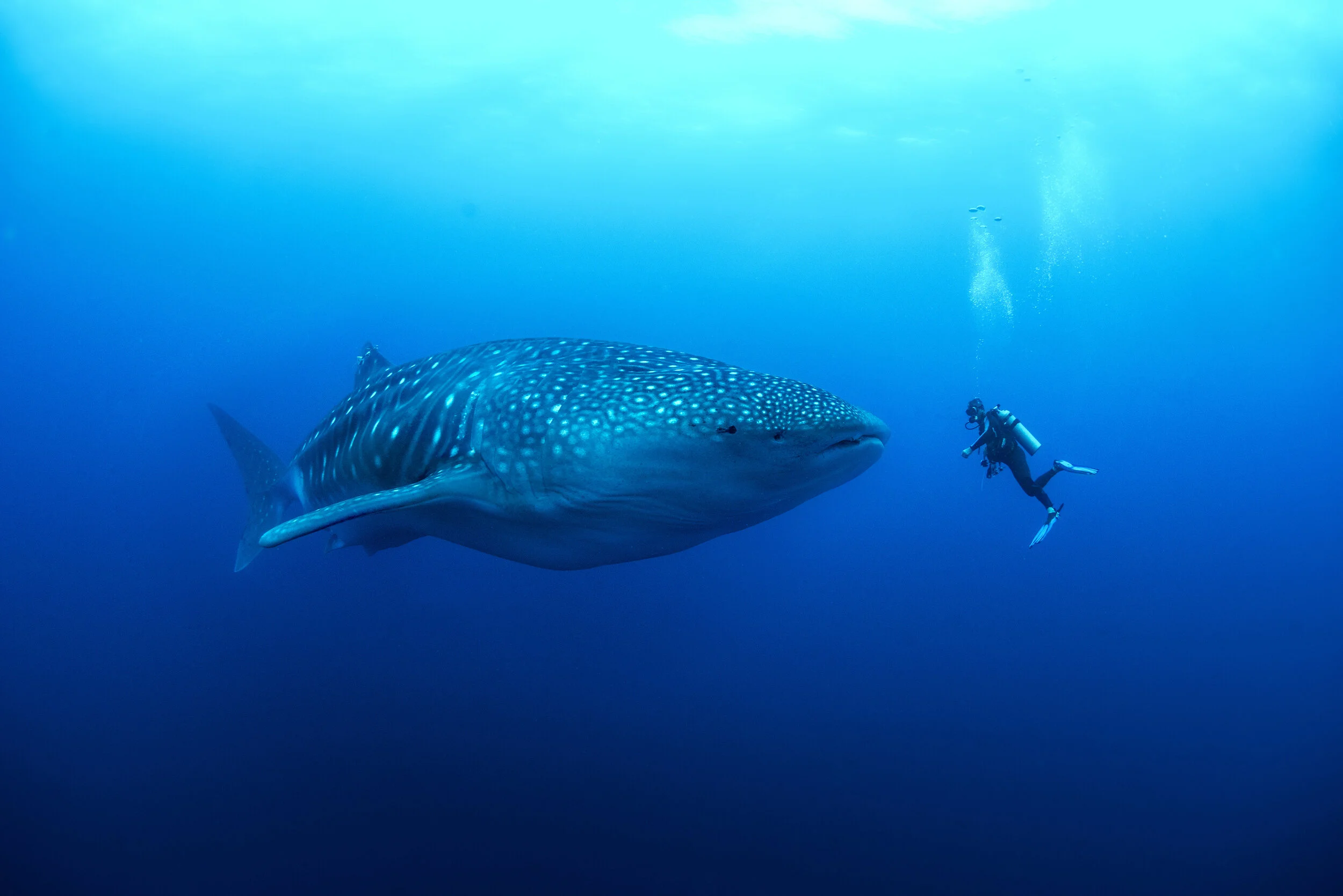
What we like about this freediving fin: These are Simon’s own freediving fins (that’s him wearing his Cressis with a whale shark at the top of this page), and he says they’re really good for chasing whale sharks and things around. Cressi makes the LD blade from a softer plastic than its standard Gara Professional, for a fluid, less tiring kick you can keep up over long distances. The soft foot pocket sits under the blade and is bonded to it, so little of your kick is lost between your foot and the blade. Amazon owners mention quality, comfort and a real boost in speed.
That’s what makes them our top pick: most freediving fins are brilliant underwater and hard work at the surface, and the LD’s softer blade makes the surface part easier, which is exactly what you need when you’re following wildlife.
Other factors: They’re long, so check they’ll fit in your bag. Sizes start at EU 40/41, so smaller feet should look at the Seac Motus or the Gara Modular Impulse. Owners are divided on fit: some say they fit straight out of the box, others find them too small, so consider sizing up if you’re between sizes or wear socks. A plastic blade is never as springy as fibreglass or carbon, but it’s far tougher.
Skip it if you want the most efficient kick for deep dives. A fibreglass or carbon blade gives more.
Also consider Cressi Gara Modular Impulse
Best Freediving Fins for Beginners Seac Motus Freediving Fins
What we like about this freediving fin: Seac designed the Motus as an easy, comfortable first fin for new freedivers and spearfishers. The foot pocket uses two rubbers, a harder sole for power and a softer upper for comfort, which matters when you’re still getting used to a long fin. The blade sits at a 22-degree angle to the foot pocket, which Seac says gives more thrust for less effort, and it’s interchangeable.
Sizes run from EU 35/36 to 47/48 (US 3 to 13.5), so they suit smaller feet that the Gara Professional LD doesn’t fit. Seac recommends wearing them with 2 to 3 mm neoprene socks.
Other factors: Like every plastic blade, it’s tougher but less springy than fibreglass or carbon, so once you’re diving deeper you may want more. They’re long, 84 to 91 cm from heel to tip depending on size, so check your bag. Size for the socks you’ll wear.
Skip it if you already freedive regularly and want more push per kick.
Also consider Cressi Gara 3000 LD
Best Budget Freediving Fins Cressi Gara 3000 LD Freediving Fins
What we like about this freediving fin: The Gara 3000 LD is Cressi’s entry point into long-blade freediving fins, and one of the least expensive good ones you can buy. The soft plastic blade moves you with little effort, so it’s easy on the legs over a long session. Cressi moulds the foot pocket from three materials, flexible around your foot and stiffer where the power goes into the blade, and it’s comfortable barefoot or with neoprene socks.
Other factors: The blade is fixed, so you can’t pack it apart or upgrade it later; for that, look at the Gara Modular Impulse. Sizes start at EU 40/41, so smaller feet should look at the Seac Motus.
Skip it if you want to upgrade the blade later. Choose the Gara Modular Impulse.
Also consider Seac Motus
Best Freediving Fins for Travel Cressi Gara Modular Impulse Freediving Fins
What we like about this freediving fin: The Gara Modular system lets you take the blade off the foot pocket. That makes long fins much easier to pack, and it means you can upgrade later: Cressi sells a carbon blade in two stiffnesses that fits the same foot pocket. The Impulse blade has the steepest angle in Cressi’s modular range, 29 degrees, for a more dynamic kick, and Cressi says it’s almost impossible to break by accident. Sizes run from EU 36/37 to 46/47, so it fits smaller feet too.
Other factors: It costs more than the fixed-blade Gara fins, and the blade and pocket join with screws, one more thing to check before a trip.
Skip it if you want the simplest, cheapest fin. The Gara 3000 LD is less.
Also consider Cressi Gara Professional LD
Best Fiberglass Freediving Fins Molchanovs SPORT Bifins 3 Fiberglass Freediving Fins
What we like about this freediving fin: Fibreglass is the natural next step from plastic: lighter and springier, so more of each kick comes back as push, and more forgiving than carbon. Molchanovs makes freediving gear, and its SPORT Bifins 3 pair long fibreglass blades with silicone foot pockets, aiming for a kick that feels easy but still moves you. Alexey Molchanov explains the design in the video below.
Other factors: The blades and the SPORT foot pockets are sold separately, and you buy them from Molchanovs rather than Amazon. Fibreglass needs more care than plastic: protect the blade tips on boats and in your bag.
Skip it if you’re rough on gear or dive from crowded boats. A plastic blade is tougher.
Also consider Leaderfins Pure Carbon
Best Carbon Freediving Fins Leaderfins Pure Carbon Freediving Fins
What we like about this freediving fin: Carbon is the lightest, most responsive blade material, returning the most energy on every kick, which is why regular freedivers move up to it. Leaderfins’ Pure Carbon fins are one of the few carbon fins sold on Amazon US, and they come in a choice of blade stiffness, so you can match them to your legs and your diving.
Other factors: Carbon is expensive ($$$), and it can chip or crack if it’s knocked on a boat deck or crushed in your bag, so treat them with care. There are far fewer owner ratings than for our plastic picks.
Skip it if you’re new to freediving. Start with plastic and move up.
Also consider Molchanovs SPORT Bifins 3 Fiberglass
Still not sure? Which freediving fins are right for me?
- Not sure, want the safe choiceCressi Gara Professional LD Freediving Fins
- Swimming with whale sharks, mantas or dolphinsCressi Gara Professional LD Freediving Fins
- New to freediving, or small feetSeac Motus Freediving Fins
- On a budgetCressi Gara 3000 LD Freediving Fins
- Travelling, or want to upgrade laterCressi Gara Modular Impulse Freediving Fins
- Moving up from plasticMolchanovs SPORT Bifins 3 Fiberglass Freediving Fins
- Diving deep, and money is no objectLeaderfins Pure Carbon Freediving Fins
Why you can trust this guide
Simon is a shark conservation biologist and world-renowned underwater photographer who dives, snorkels and freedives for a living. He is a co-founder and Principal Scientist at the Marine Megafauna Foundation, where he leads the global whale shark research and conservation program. His marine research and photography are routinely covered by major media outlets, including the BBC, National Geographic, Discovery Channel, and New York Times amongst many others. One of his photographs was chosen as a personal favourite of Sir David Attenborough’s, in conjunction with BBC’s Blue Planet II series, and another illustrates one of the global PADI scuba diving certification cards.
Our whole research team works in freediving fins. Keeping up with whale sharks, manta rays and other megafauna is the job, and long blades are the only way to keep up with the wildlife.
Mads is an avid scuba diver and recreational freediver who’s dived some of the most spectacular locations around the world, including Misool and northern Raja Ampat, Lembongan, Lembeh Strait, Tulamben, Fiji, Vanuatu, and of course at home in Australia. She’s a minimalist and likes to travel light (which Simon encourages, as he can then use her baggage allowance!!), opting to mostly hire dive and snorkel gear wherever she goes. She’s been sampling the world’s equipment for over a decade. She has opinions.
As seen in:

How we identified the best freediving fins
We started with what our own team swims in, then looked at the current long-blade fins from the main freediving makers to find the best freediving fins for 2026. To summarize:
- We compared the makers’ own specs for blade material, stiffness, length and foot pocket.
- We checked the owner ratings on Amazon US for every pick sold there, and read the owner review summary for our top pick, looking for patterns in fit and durability.
- We watched the makers’ product explainers, and put a video with each pick where a good one exists.
- We only call a fin tested if one of us has actually swum in it. Everything else is chosen on research.
- We rechecked every pick, its current model name and its Amazon US listing in September 2026.
Things to consider when choosing freediving fins
- Blade material. Plastic is cheap and almost unbreakable, fibreglass is lighter and springier, and carbon gives the most push for the least effort. More on this below.
- Stiffness. Match it to your legs and your diving, not your ego. Soft blades are easier on the legs over a long day; stiff blades suit strong legs and deep dives.
- The foot pocket. It’s where your kick goes into the blade, so a snug, comfortable pocket matters more than anything else. Wear thin neoprene socks and size for them.
- Fixed or interchangeable blades. Modular fins let you pull the blade out of the foot pocket, which makes them easier to pack and lets you upgrade to a fibreglass or carbon blade later without buying new pockets.
- Length and your luggage. Freediving fins are long: the Seac Motus is 84 to 91 cm from heel to tip, depending on size. Check they fit your bag, or choose fins whose blades come off.
- Price. Good plastic fins are the cheapest way in ($). Fibreglass and carbon cost much more ($$ to $$$).
Plastic vs fiberglass vs carbon freediving fins
Freediving fin blades come in three materials, and the difference is how much of your kick comes back as push.
- Plastic (technopolymer). The cheapest and toughest. Plastic blades lose more energy than composite blades, so you work a little harder for the same speed, but they shrug off boat decks, rocks and luggage handlers. Suitable for: beginners, spearfishers, rough entries, and anyone who travels a lot.
- Fibreglass. Lighter and springier than plastic, and more forgiving than carbon. A good first composite blade, and cheaper to replace if you crack one. Suitable for: freedivers moving on from plastic who want more efficiency without carbon’s price.
- Carbon fibre. The lightest and most responsive blade, returning the most energy on each kick. Also the most expensive, and the easiest to chip or crack if you’re careless with it. Suitable for: regular freedivers who want the most efficient kick and will look after their fins.
Whatever the material, stiffness matters as much. A soft carbon blade is easier on your legs than a stiff plastic one.
Freediving fins at the surface
Freediving fins are brilliant underwater, but they take some getting used to at the surface. The long blades want a slow, straight-legged kick from the hips. A fast, bent-knee “bicycle” kick just splashes the blade tips around and gets you nowhere. Keep your fins under the water, relax, and let the blades do the work.
Even so, freediving fins are super popular with snorkelers who love exploring reefs: once you duck-dive, nothing else comes close. If you mostly swim at the surface, a softer blade, like our top pick, makes the long swims much easier. For surface snorkeling, see our guide to the best snorkel fins.
How to get in the water with freediving fins
Don’t giant stride off the boat in long fins. The blades hit the water flat, and the impact can snap them. Instead:
- Roll in backwards from a low boat, holding your mask, with your fins together.
- Slip in from the edge or the swim platform: sit down, put your fins on, and slide into the water.
- Put them on in the water, holding onto a line or the boat, if the deck is too crowded.
This can be tricky on some boats, especially high-sided ones or crowded day boats, so ask the crew where the best place to get in is before you reach the site.
I’ve also created guides like this one for snorkel fins, dive fins, snorkel masks and scuba masks, as well as my overall guide for the best gear for snorkeling.
Best freediving fins: your questions answered
Are carbon fins worth it for freediving?
If you freedive regularly, yes. Carbon blades are the lightest and springiest, so more of each kick becomes push, and you tire less on deep dives. They cost much more than plastic ($$$), and they chip or crack more easily. If you’re new to freediving, start with plastic, learn a good kick, and move up to fibreglass or carbon once you know what stiffness suits you.
Long fins vs short fins for freediving: which is better?
Long fins, for freediving. A long blade moves more water with each slow kick, so you go further for less effort and less oxygen, which is the whole point when you’re holding your breath. Short fins pack smaller and are easier at the surface, but you’ll kick much harder to go the same distance. If packing is the problem, choose fins whose blades come off, like the Cressi Gara Modular Impulse.
Freediving fins vs scuba fins: what’s the difference?
Freediving fins have much longer blades and full-foot pockets, built for a slow, efficient kick from the hips. Scuba fins are shorter and often open-heel with booties, built to push a diver and all their equipment around and to turn easily near the reef. You can snorkel and scuba dive in freediving fins, but they’re awkward in tight spots. For scuba, see our guide to the best dive fins.
Why are freediving fins so long?
A longer blade moves more water with each kick, so you can kick slowly and still go fast. Slow, efficient kicks use less oxygen, which lets you dive longer and deeper on one breath. The trade-off is at the surface, where long blades need a relaxed, straight-legged kick to work well.
How long are freediving fins?
Much longer than scuba or snorkel fins. The Seac Motus, for example, is 84 cm from heel to tip in the smallest size and 91 cm in the largest. That’s why fins whose blades come off, like the Cressi Gara Modular Impulse, are popular for travel.
How should freediving fins fit?
Snug, with no heel lift and no pressure points. Your toes should reach the end of the foot pocket without being crushed, and your heel shouldn’t lift out when you kick. Many freedivers wear thin neoprene socks for comfort and warmth, so try fins on with the socks you’ll use. A loose pocket wastes your kick and gives you blisters.
How do you travel with freediving fins?
Fins whose blades come off the foot pockets, like the Cressi Gara Modular Impulse, are the easiest to pack. Otherwise, use a long fin bag, pad the blade tips, and pack them flat against the back of your suitcase. Fibreglass and carbon blades need the most protection.
Can you snorkel with freediving fins?
Yes, and lots of snorkelers who love exploring reefs use them, because nothing beats them once you duck-dive. They take more effort at the surface, so use a slow, straight-legged kick and keep the blades underwater. A softer blade like the Cressi Gara Professional LD is the easiest at the surface. If you mostly stay on top, see our best snorkel fins.
Can you giant stride in freediving fins?
Best not. Long blades hit the water flat, and the impact can snap them. Roll in backwards from a low boat, or sit on the edge or swim platform and slip in. On high-sided or crowded boats, ask the crew where the best place to get in is before you reach the site.
Monofin or bifins?
Bifins, for almost everyone. Two separate fins are easier to learn with, easier to steer, and far better for swimming with wildlife or diving from boats. A monofin, like Molchanovs’ CORE Silicone Monofin, joins both feet to one blade: it’s the fastest way to swim, and competitive freedivers love it, but it takes practice and it’s hard to turn.
How much do freediving fins cost?
Good plastic freediving fins are the cheapest way in ($). Modular fins cost a little more ($$), and fibreglass and carbon fins cost much more ($$ to $$$).
The bottom line
Get the Cressi Gara Professional LD
Simon’s own freediving fins: a softer long blade that dives well and is easier on your legs at the surface, so you can keep up with the wildlife. New to freediving, or small feet? Start with the Seac Motus. On a budget, the Cressi Gara 3000 LD. For travel, the Cressi Gara Modular Impulse packs apart, and for going deeper, step up to fibreglass with the Molchanovs SPORT Bifins 3 or carbon with Leaderfins Pure Carbon.
Best freediving fins for 2026 at a glance
Every pick in one table. Swipe sideways on a phone.
| Pick | Best for | Watch out for |
|---|---|---|
| Cressi Gara Professional LD | Best Freediving Fins Overall | They’re long, so check your bag. Sizes start at EU 40/41, and owners are divided on fit: some find them too… |
| Seac Motus | Best Freediving Fins for Beginners | A plastic blade is tougher but less springy than fibreglass or carbon. Size for the socks you’ll wear. |
| Cressi Gara 3000 LD | Best Budget Freediving Fins | The blade is fixed, so it won’t come apart for packing. Sizes start at EU 40/41. |
| Cressi Gara Modular Impulse | Best Freediving Fins for Travel | It costs more than the fixed-blade Gara fins, and the blade joins the pocket with screws you’ll need to check. |
| Molchanovs SPORT Bifins 3 Fiberglass | Best Fiberglass Freediving Fins | The blades and foot pockets are sold separately, from Molchanovs. Fibreglass needs more care than plastic. |
| Leaderfins Pure Carbon | Best Carbon Freediving Fins | Expensive, and carbon can chip or crack if it’s knocked around. |
Last updated on