Photo by Steve de Neef
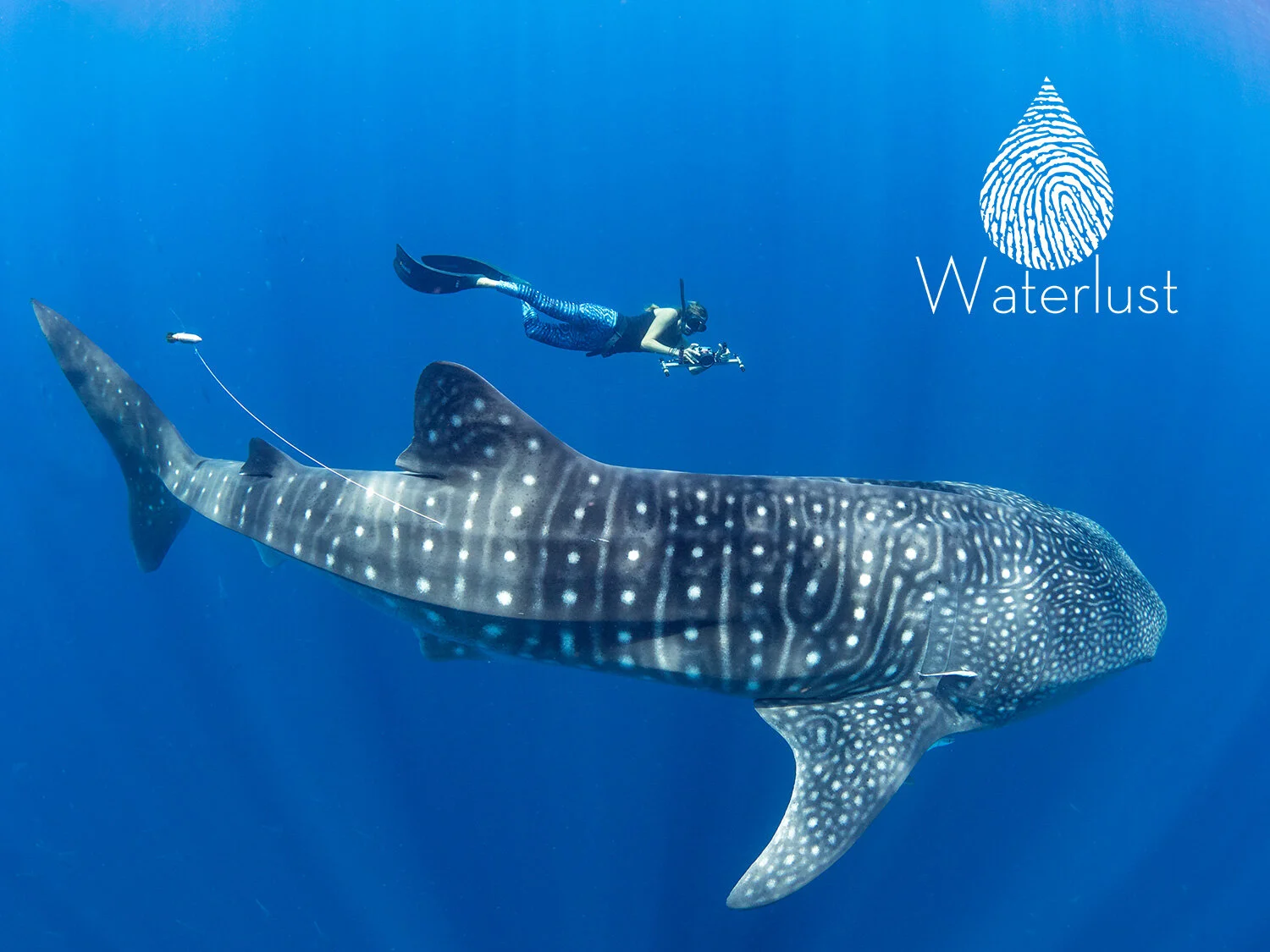
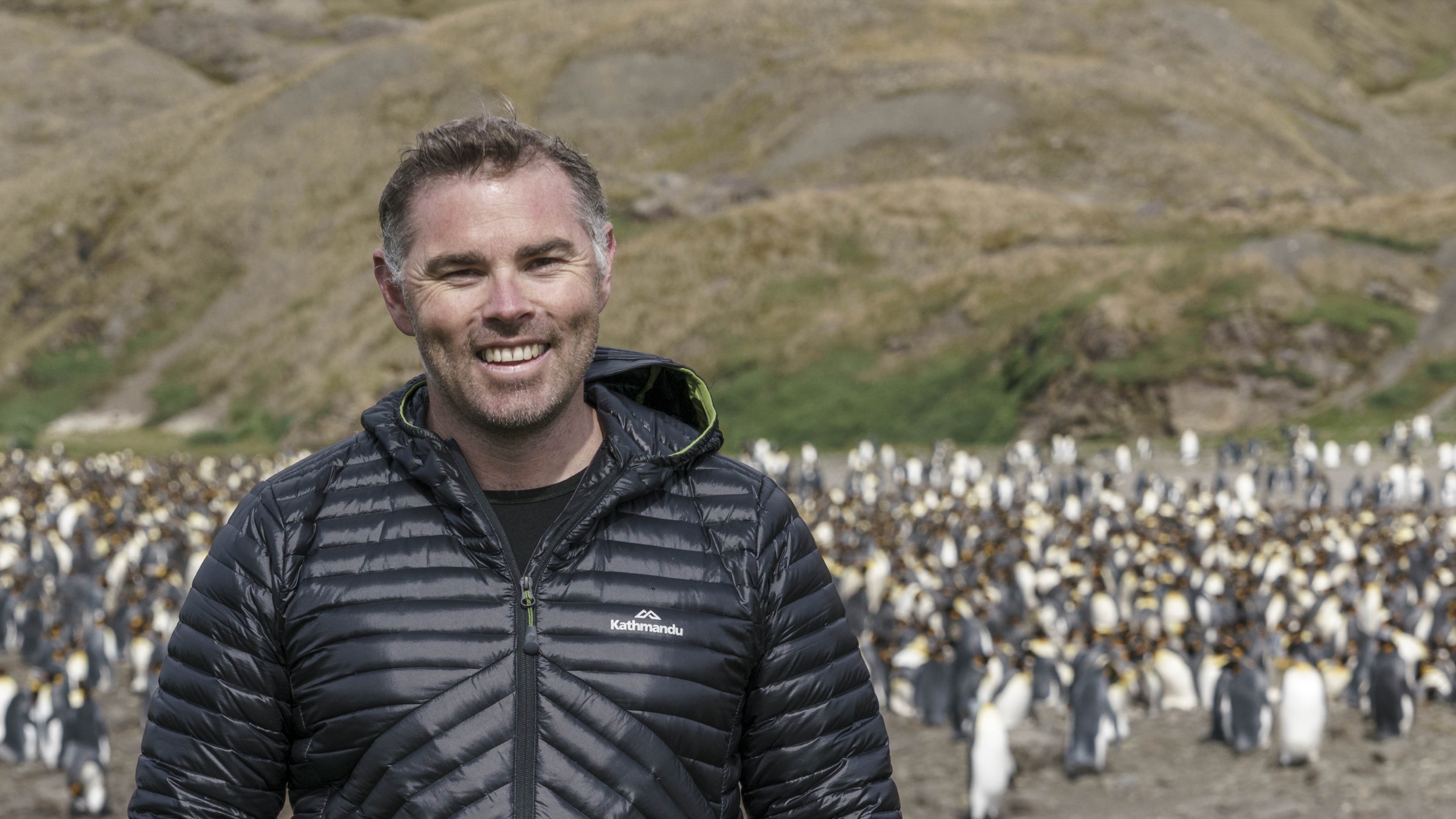
G’day. I’m Simon, a wildlife geek from New Zealand. On paper I’m Dr. Simon J Pierce, a marine biologist and the co-founder and Executive Director of the Marine Megafauna Foundation (MMF). I lead our Global Whale Shark Program. I’m also an ocean wildlife photographer, and most of the photos on Nature Tripper are mine or my wife Madeleine’s.
I’ve been diving for over 20 years, with thousands of dives logged around the world. That’s the short answer to “why should I listen to this guy about fins?”
Simon at a glance
- Co-founder and Executive Director – Marine Megafauna Foundation
- Digital Imaging Advocate – Sony Australia and New Zealand
- Adjunct Fellow – University of the Sunshine Coast, Australia
- Scientific Advisor – Sharkbook.ai
- Board member – Sawfish Conservation Society
- Research Manager – Spot A Shark
- Member (Oceania) – IUCN Shark Specialist Group
- PhD – The University of Queensland, 2009
- Publications – Google Scholar, ORCID
How I ended up here
I grew up on a farm outside New Plymouth, where I could generally be found either climbing trees and falling out of them, or exploring rivers and falling into them. I studied ecology at Victoria University of Wellington, then moved to Brisbane in search of warmer water. At The University of Queensland I did an honours degree, then a PhD on coastal rays.
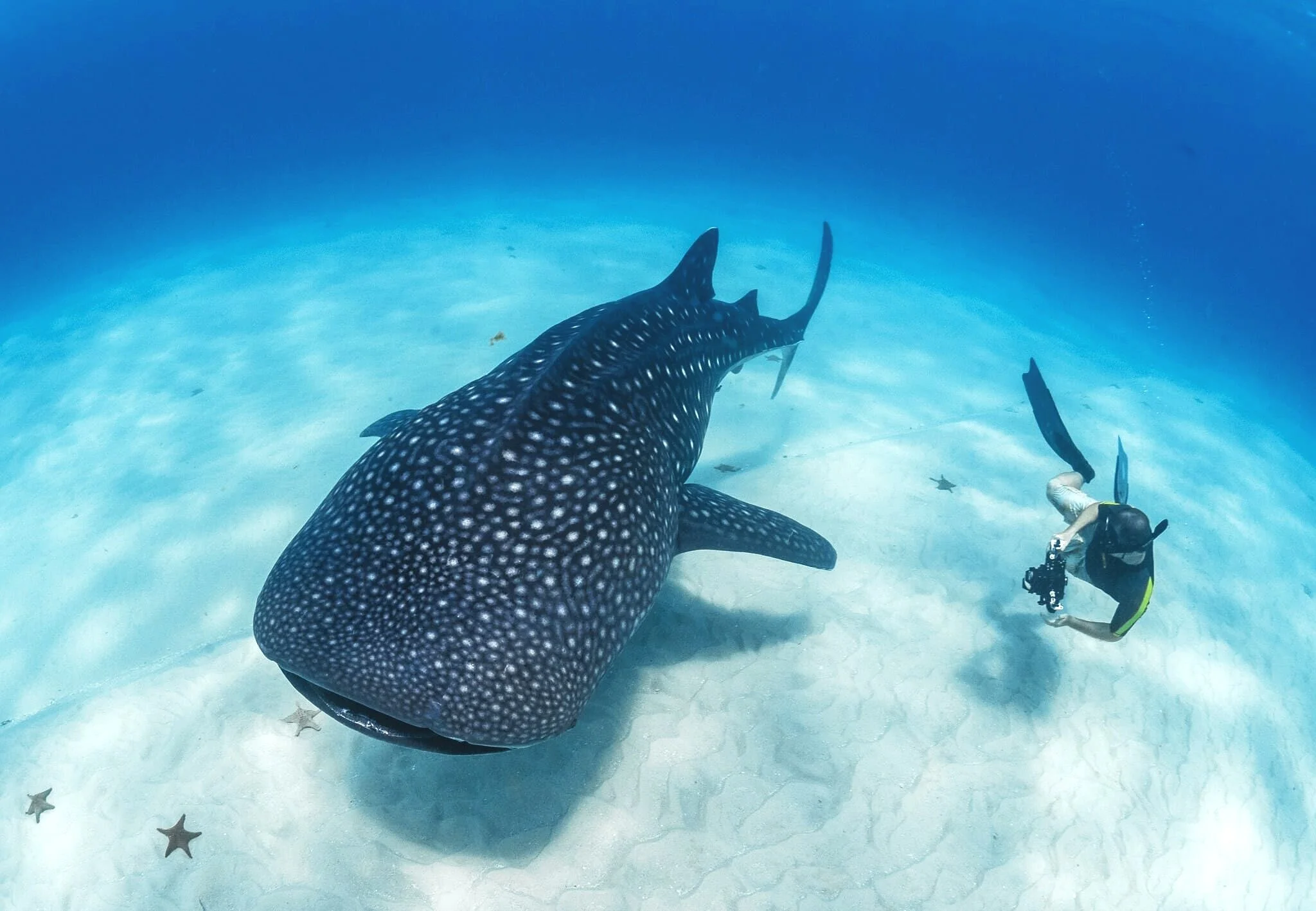
In Brisbane I became great friends with my labmate, the then pre-Dr. Andrea Marshall, who was studying manta rays for her own PhD. She convinced me to visit her in Mozambique to check out the whale sharks. That escalated quickly. In 2005 we set up the Manta Ray & Whale Shark Research Centre in Tofo, which grew into MMF, and I’ve been a whale shark scientist ever since.
Research and conservation
At MMF I lead research to help protect whale sharks around the world. In 2016 I led their assessment for the IUCN Red List (the global scorecard of extinction risk), which listed them as Endangered, and I led the updated global assessment in 2025. In 2017 I wrote the technical proposal that listed whale sharks on Appendix I of the UN Convention on Migratory Species, an international treaty for animals that cross borders, which upgraded their global protection.
In 2021 I led the whale shark assessment for the IUCN Green Status, which measures how far a species has recovered. That same year I co-edited the textbook on the species, Whale Sharks: Biology, Ecology, and Conservation.
I’m a big fan of non-invasive research, especially photo-identification: recognising individual sharks and rays from their natural markings, like a fingerprint. I led a global review of how it’s used to study sharks and rays. I’m a Scientific Advisor to Sharkbook.ai, the global photo-identification library for sharks. In Australia, I’m an Adjunct Fellow at the University of the Sunshine Coast and Research Manager for Spot A Shark. Together we’re developing ways to use AI to monitor critically endangered grey nurse sharks from photos.
I also work with regional whale shark research teams in Oman, the Galápagos, Madagascar and on the Great Barrier Reef. I’m an Oceania member of the IUCN Shark Specialist Group, after a stint as a regional co-chair from 2016 to 2020, and a founding board member of the Sawfish Conservation Society. I’ve supervised PhD and master’s students through universities in Australia and the UK.
At work in Tanzania. Photo by Ralph Pannell.
Scientific publications
I write a lot of scientific papers on whale sharks and other threatened ocean animals, usually with a bunch of other researchers. You can find them on my Google Scholar profile and the publications page on my own site, and I have an ORCID researcher profile too.
Education
- PhD, The University of Queensland, 2009. Thesis: Biology, demography and conservation of rays in Moreton Bay, Queensland, Australia
- BSc (Honours, 1st Class), The University of Queensland, 2001
- BSc (Ecology), Victoria University of Wellington, 2000
In the field
Whale shark research means a lot of time in the water with the sharks, from Mozambique and Tanzania to the Galápagos. I host public research, diving, snorkelling and photography trips around the world, mostly for MMF, Aqua-Firma and Galapagos Shark Diving. At home in Kaikōura, I work with South Pacific Helicopters as a marine biology guide and photographer, which is hard to complain about.
Photography and media
I’m a Digital Imaging Advocate for Sony Australia and New Zealand. I lead photo walks and workshops in both countries and online, and give talks on photography for science and conservation.
My science and photography have been featured by National Geographic, BBC, The New York Times, The Washington Post, The Guardian, Nature, Science, New Scientist, BBC Wildlife, Discovery and Animal Planet. One of my photos went on PADI’s Advanced scuba diving certification card. Sir David Attenborough chose another as one of his favourites from the BBC’s Blue Planet II promotions. I was rapt about that.
My images have also appeared in campaigns for the United Nations, ClientEarth, Galapagos National Park, the Shark Trust, Galapagos Conservation Trust, the International Coral Reef Initiative and several WWF country offices.
A few places to see or hear the work:
- Investigating the Mysterious Whale Sharks of Mafia Island – National Geographic
- Madagascar emerges as whale shark hotspot – BBC News
- Uterine implants and underwater ultrasounds aim to demystify shark births – Mongabay
- Learning About Whale Sharks with Simon Pierce – Beyond Jaws podcast
Why trust my gear and travel advice?
Nature Tripper is where the day job and the travel overlap. I dive and snorkel for work, and that experience is what the gear guides are built on. Madeleine (Mads) and I write the destination guides from our own wildlife travels. You can read about both of us here.
The affiliate disclosure explains when we may earn a commission from links on the site. I receive incentives from Sony as a Digital Imaging Advocate, so our Sony gear pages say so up front.
Find me elsewhere
- simonjpierce.com – photography, trips and Field Notes
- MMF team page
- Google Scholar and ORCID
- Sony Scene profile
- Wikipedia
- Instagram, Facebook, YouTube and iNaturalist
Thanks for stopping by!
Simon.
Last updated on