
Rotokare Scenic Reserve is, in my opinion, the best bird photography destination in Taranaki. That’s the province in which I grew up, on the west coast of the North Island in New Zealand. Rotokare is a fenced predator-free 230 ha forest reserve surrounding a small lake. It’s free to enter, open 24/7 to public access, and you can also camp at the lakeside. Rotokare is about a 55 min drive south of New Plymouth, near Eltham.
Despite being created in 2004, I didn’t visit Rotokare until 2018 – I had no idea how good it is!
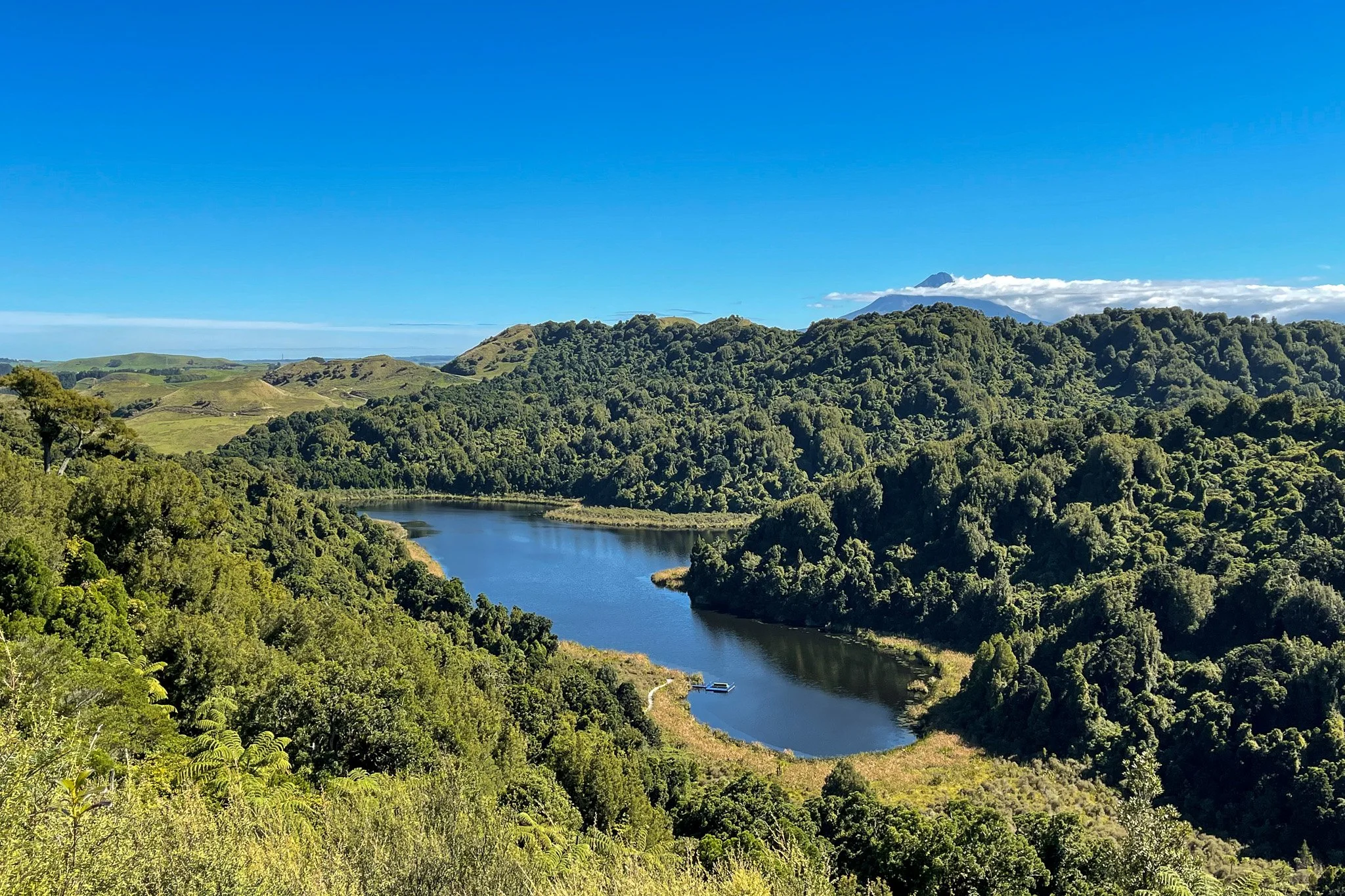
The view across Lake Rotokare towards Mt Taranaki from the Ridge Trail
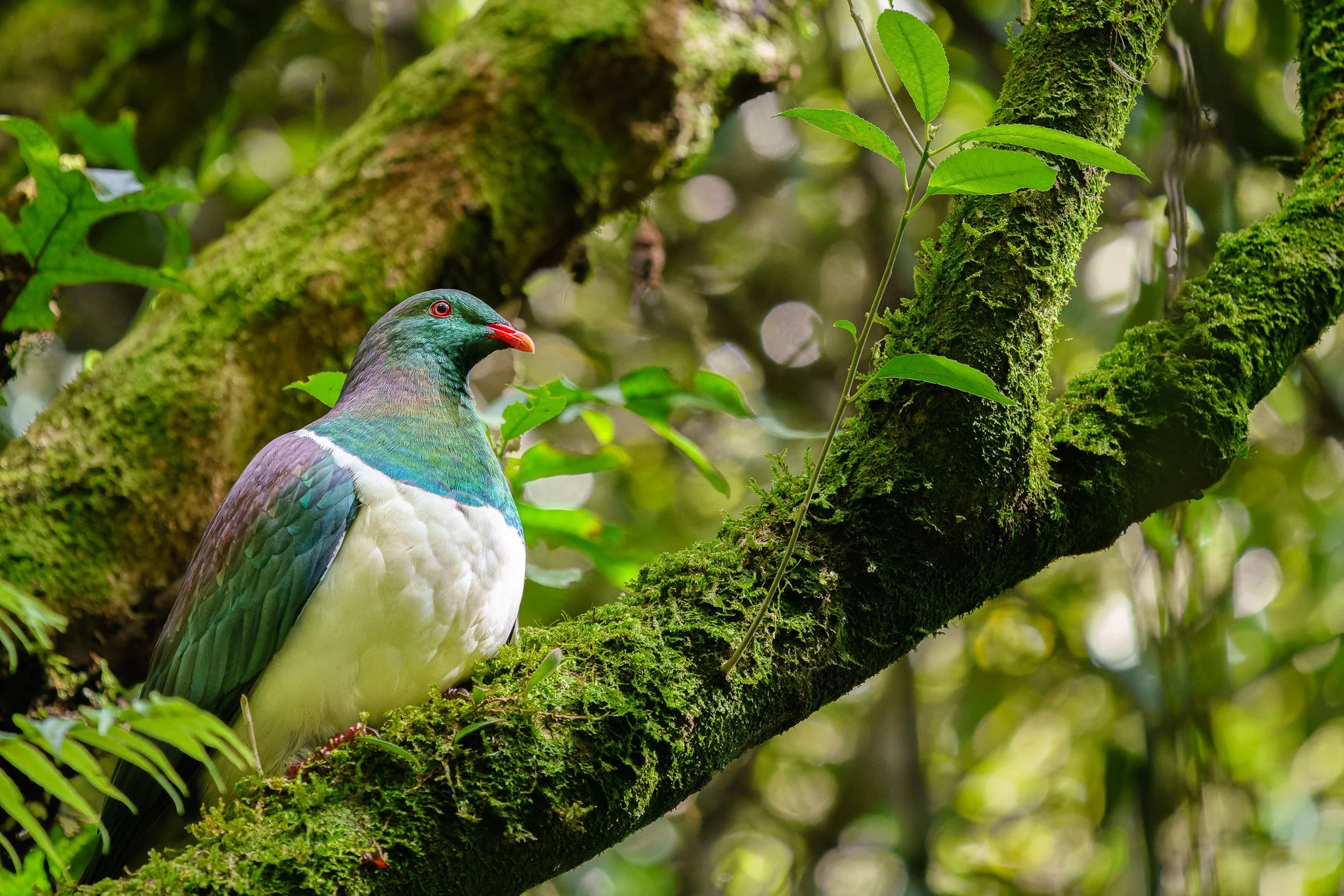
Kereru having a good sit
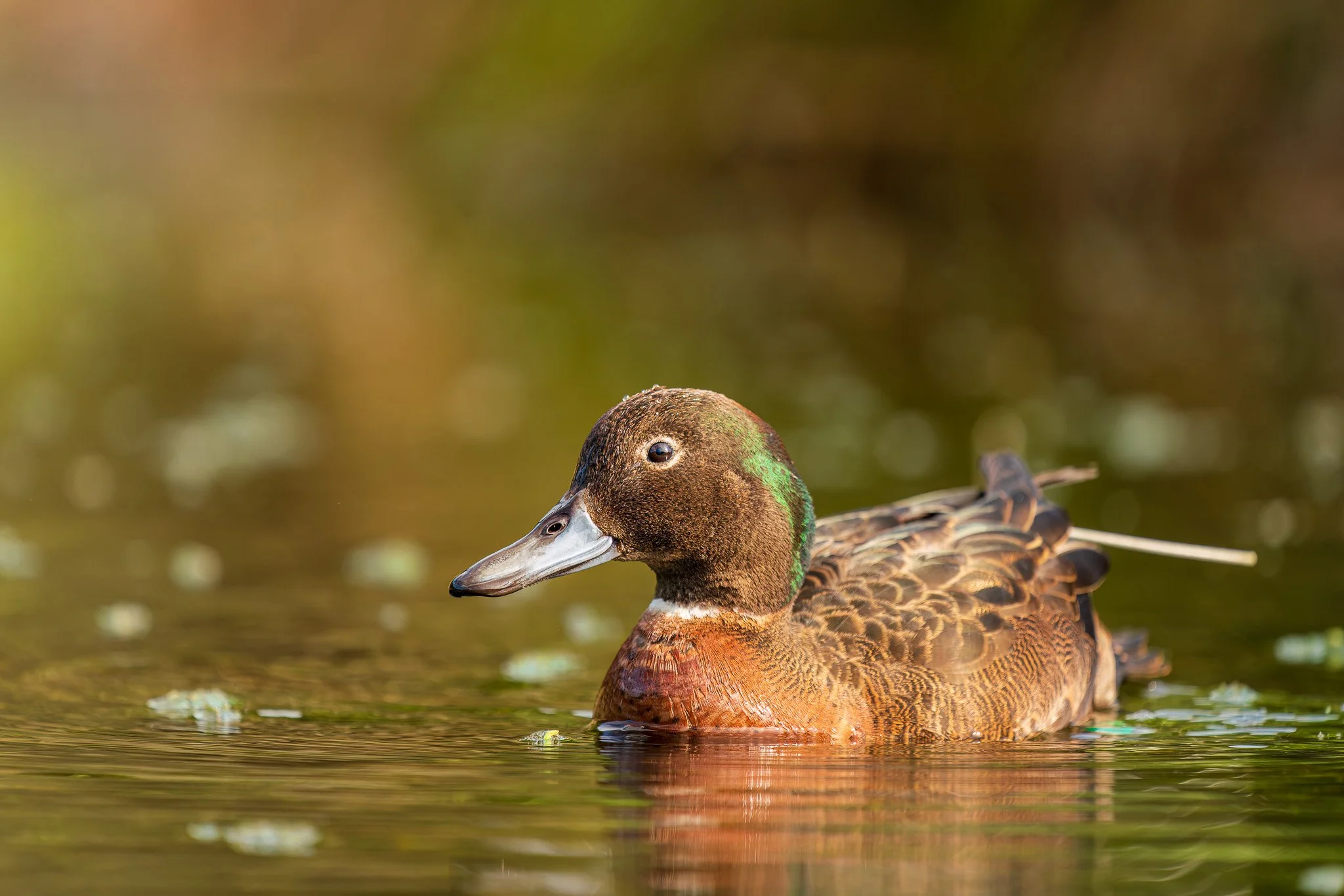
Aside from the usual suspects, such as tui, kereru, fantails, and tomtits, it’s the only place in Taranaki that hihi (stitchbirds), tieke (saddleback), and pateke (brown teal) have been reintroduced – they’re all doing well, and are easy to see and photograph.
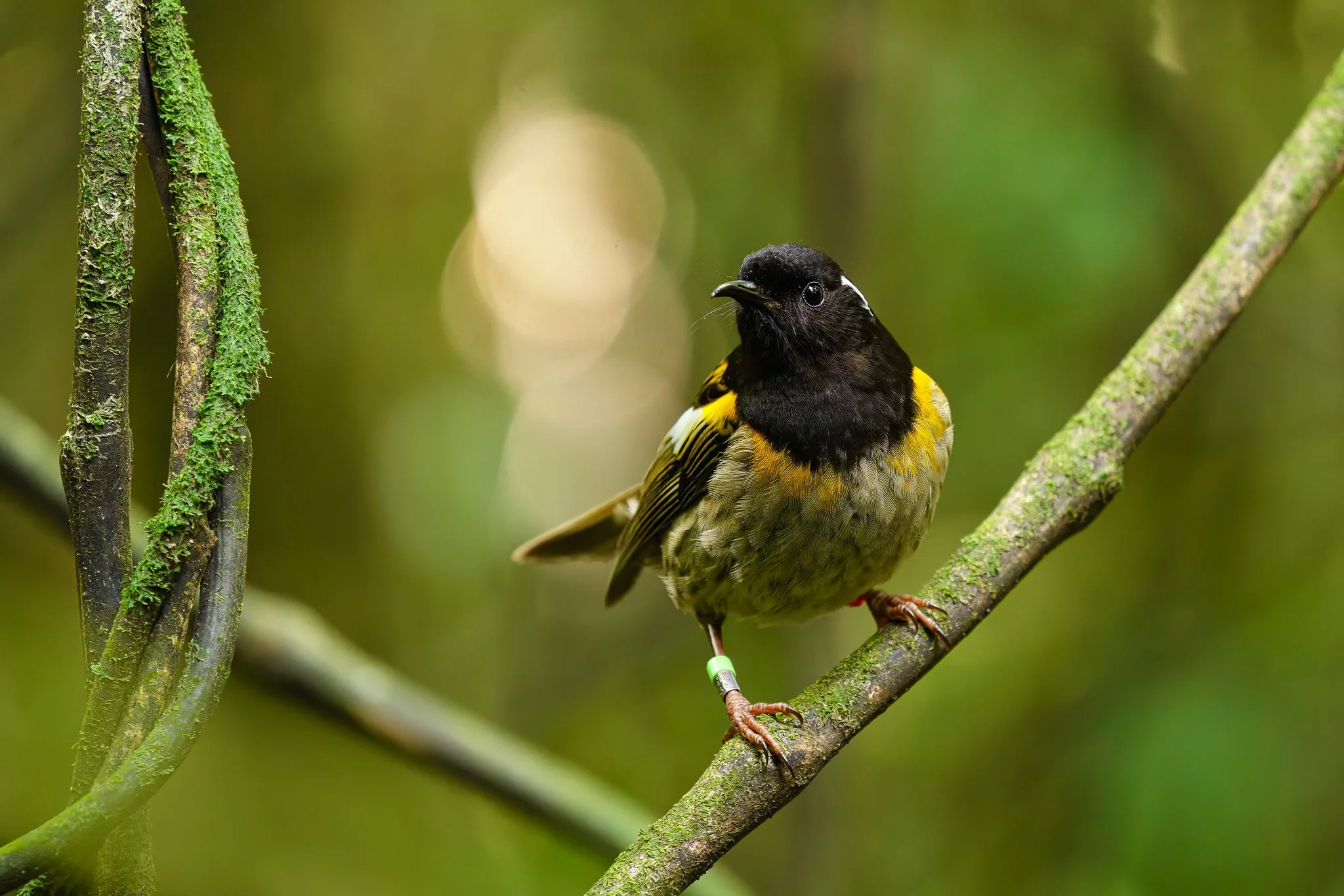
Hihi standing still for a millisecond
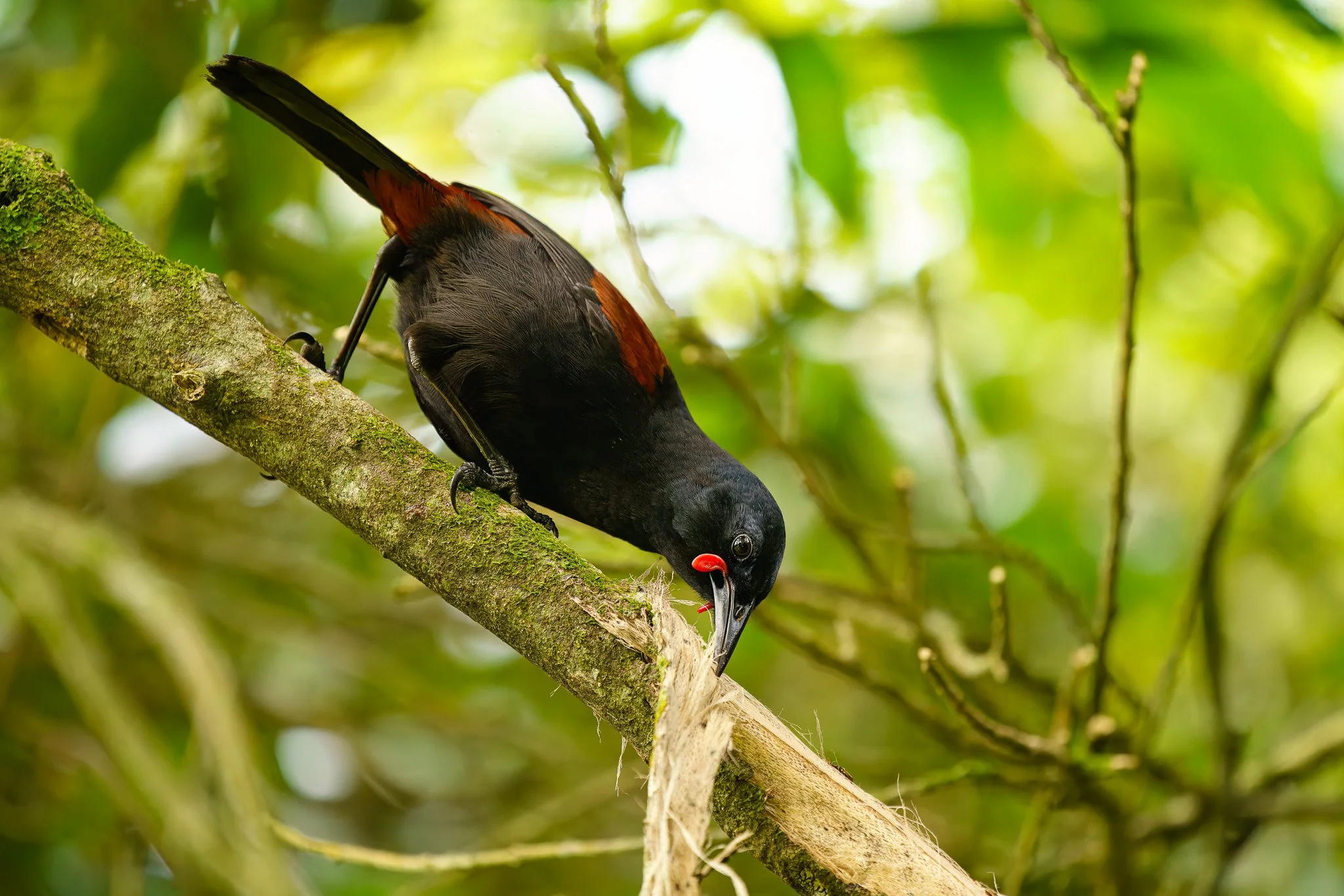
Tieke at work
It’s neat to see natural interactions, like fantails following tieke around as they destroy tree-trunks, becoming normal again. Rotokare is also a fantastic place to see toutouwai (robin) and popokatea (whitehead), and there are lots of other neat species such as fernbirds and scaup. The full bird list is here.
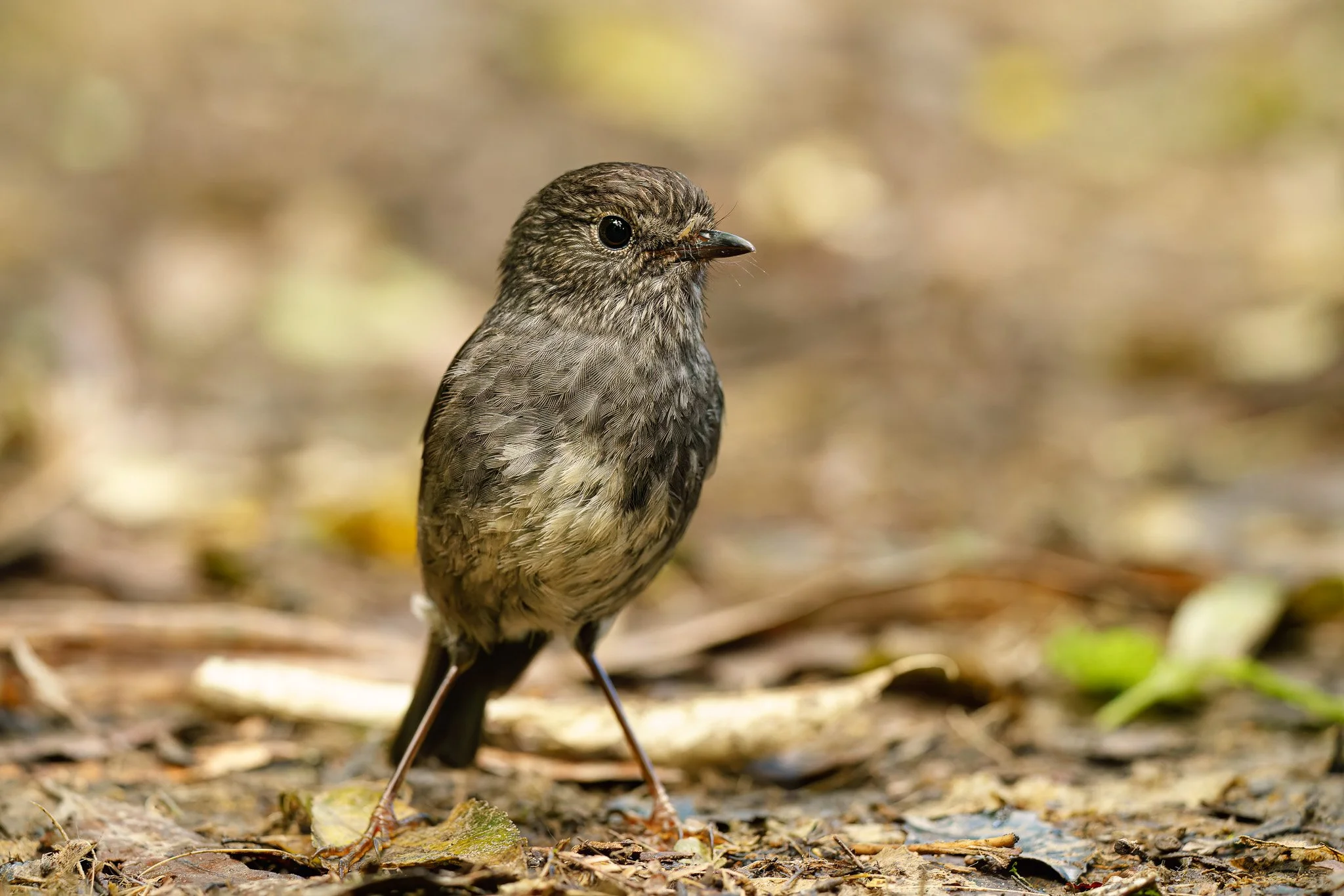
Toutouwai are hilariously friendly if you give them a chance
I haven’t stayed at Rotokare into the evening yet, but I’ve been told there’s a good chance of hearing (and even seeing, if you’re lucky) North Island brown kiwi.
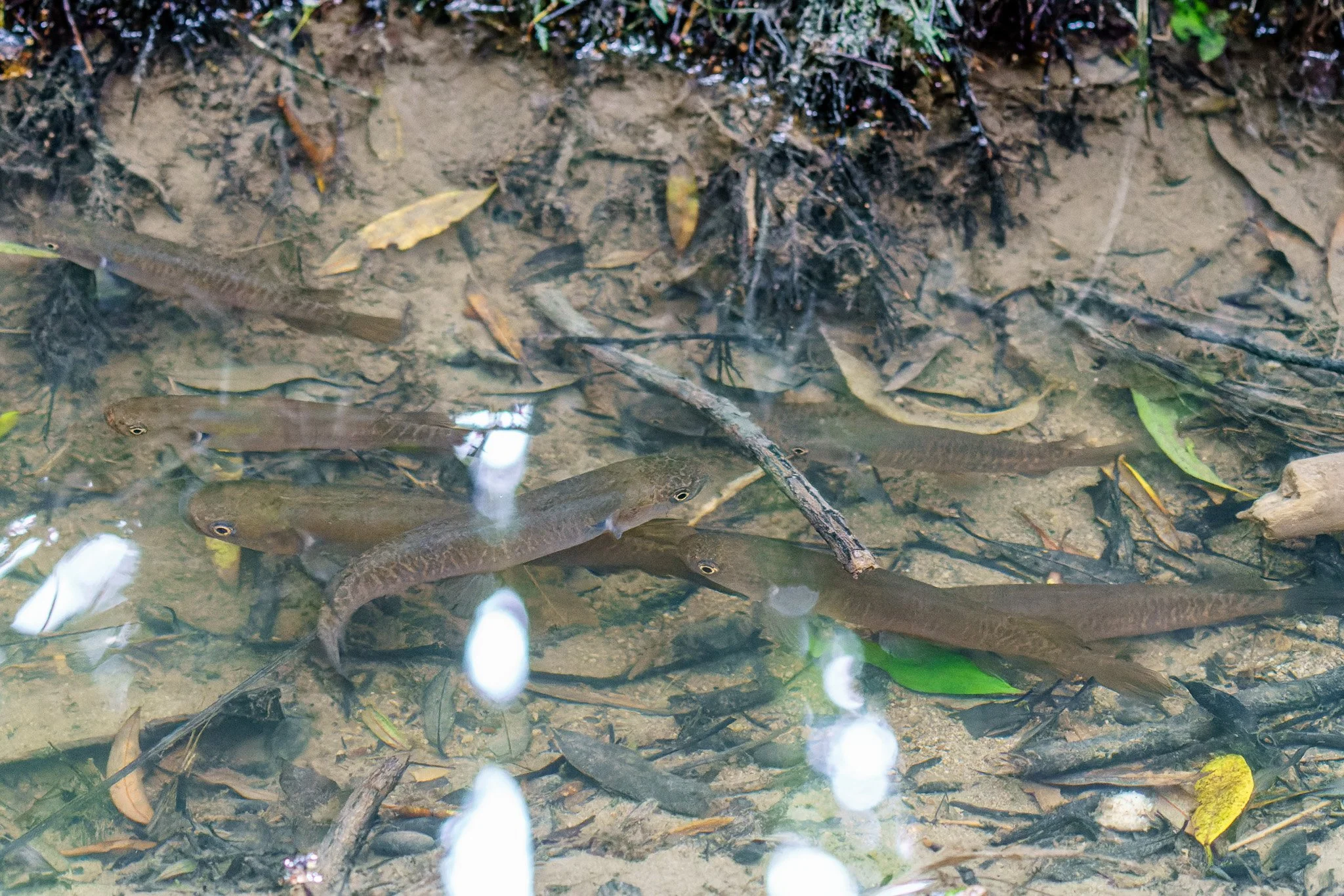
Banded kokopu
Even during the day, if you approach the stream crossings with care, you’re likely to see native fish, the banded kokopu, as well. The floating platform is a good spot for water-level photography of the pateke and scaup.
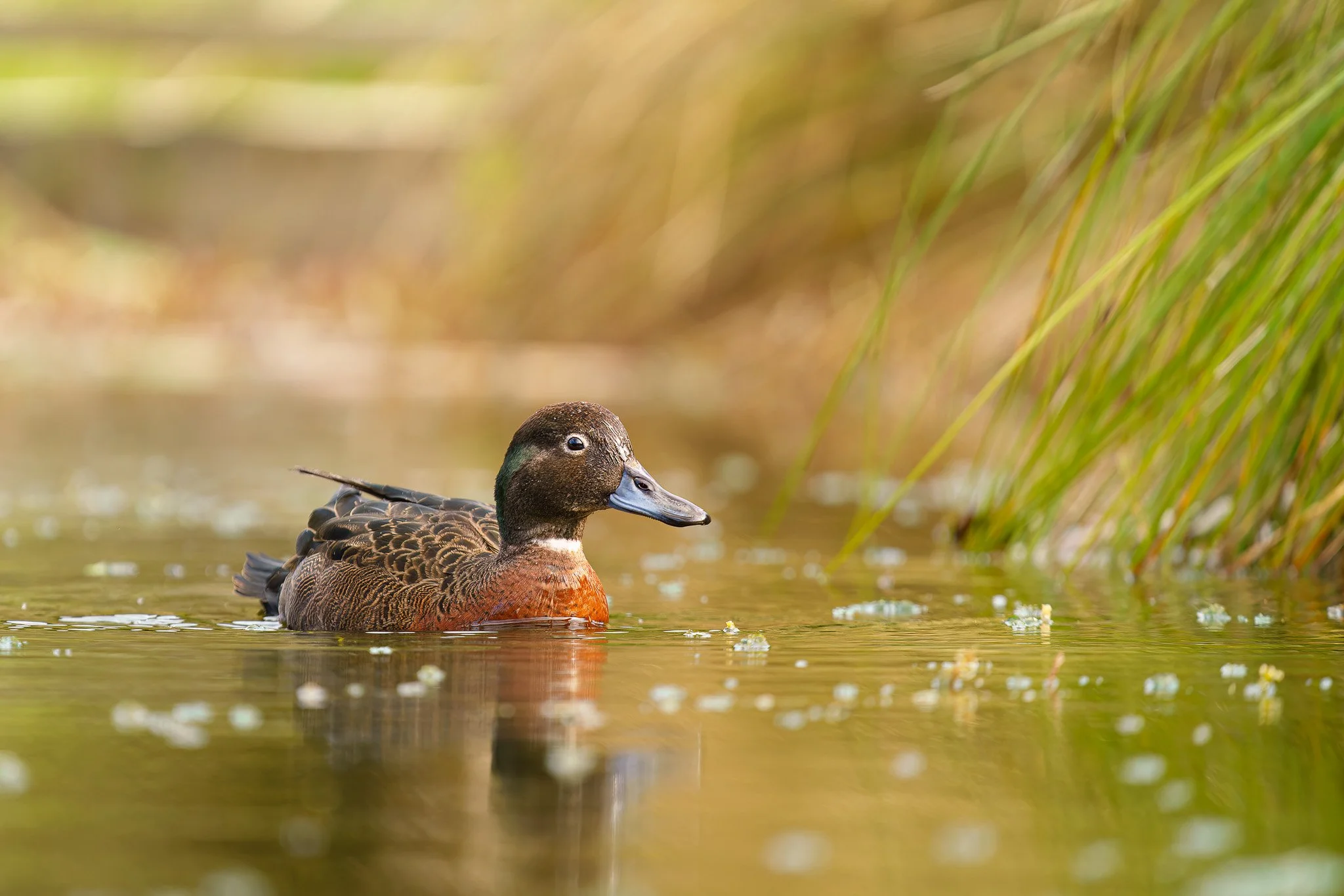
Pateke
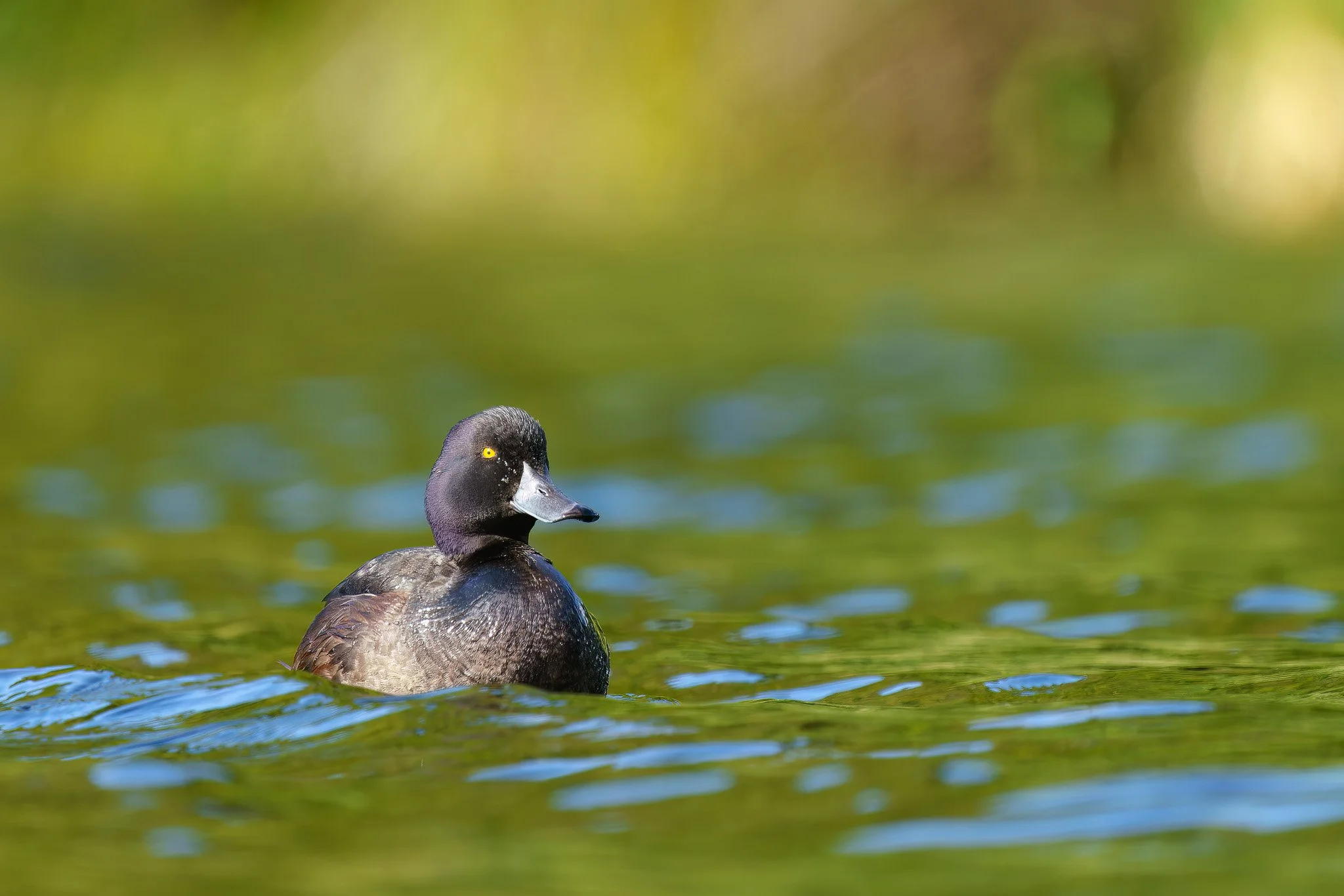
Scaup
There’s a 4 km walk around the lake (see here). It’s an easy, largely flat track, but can easily take a few hours if you decide to play with all the adorable little toutouwai. I suggest you walk around the lake anti-clockwise (i.e. directly from the carpark) if you’re there in the morning, so you get nice light for the first 1 km or so, which is more open forest, and then you’re in the forest proper for ‘green hour’ (i.e. bright daylight, but hopefully filtered through the canopy). If you’re there in the afternoon, do the opposite. The first 600 m or so from the carpark is wheelchair accessible, and flip-floppable. I recommend shoes if you do the full walk, as it can get muddy.
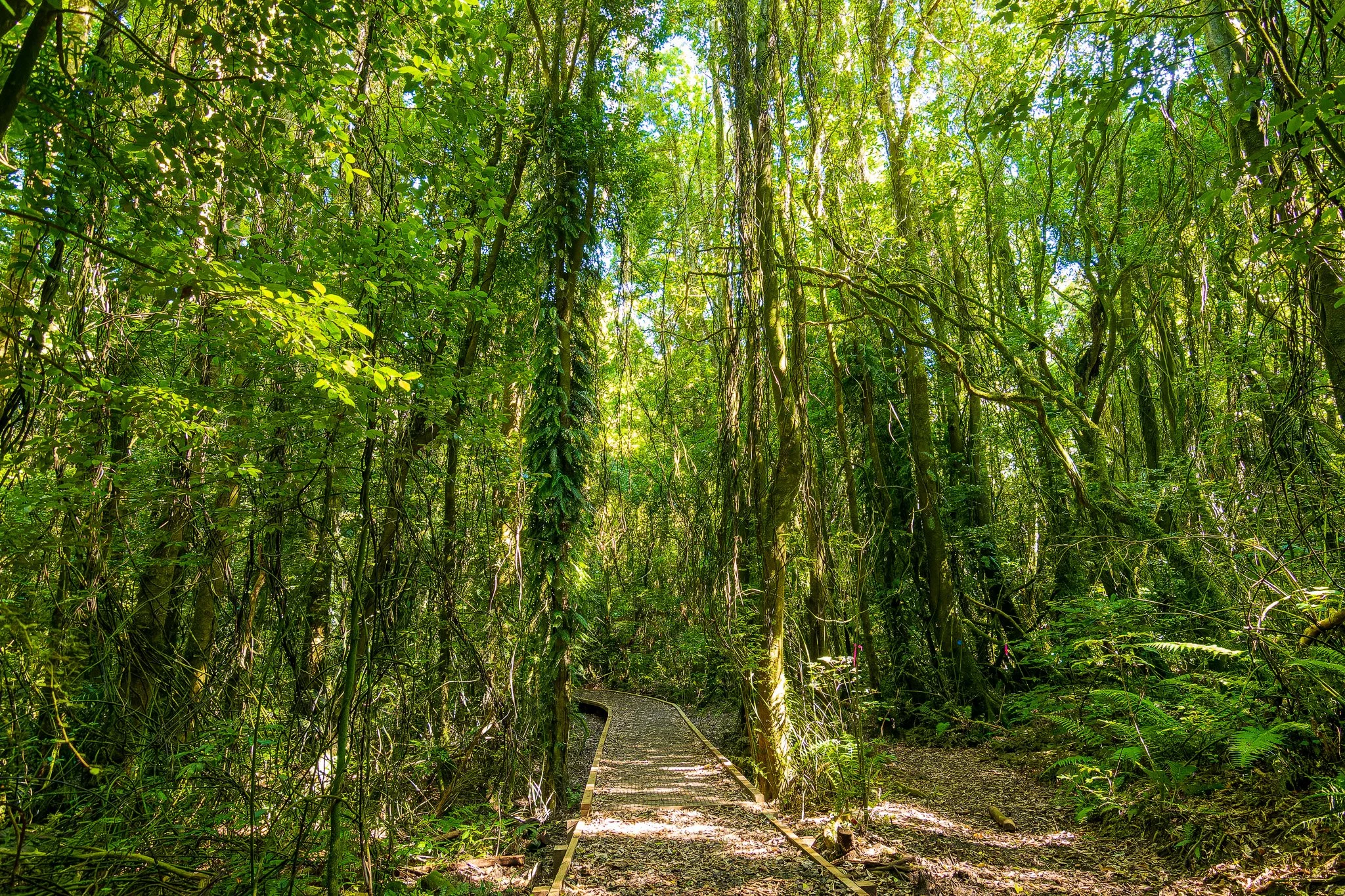
There’s a flat path from the carpark
The Ridge Walk is a good hike, but I’m too lazy to carry a camera up the (many) stairs.
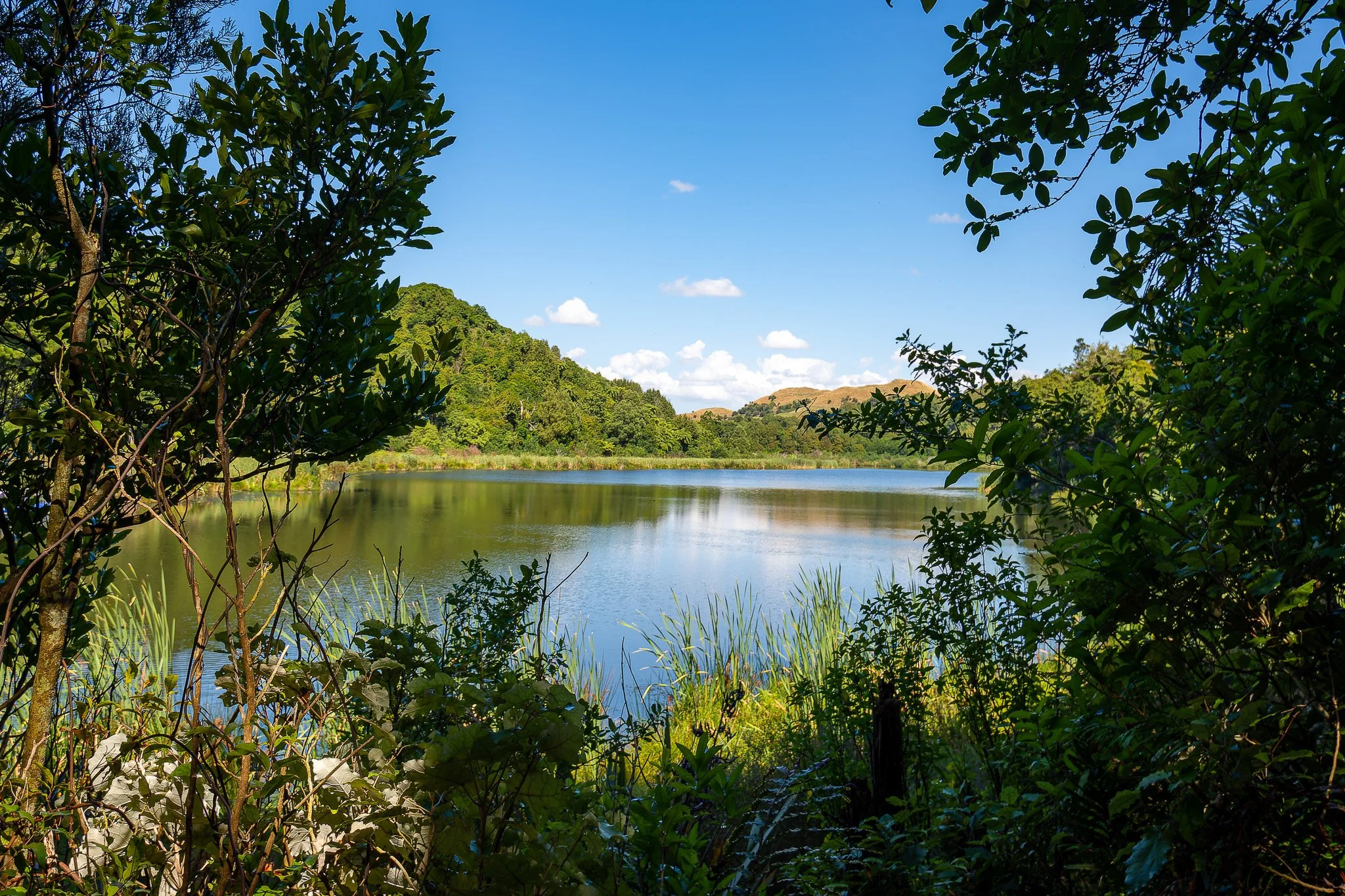
For photography, we often focus on the first section of the walk, from the carpark, past the pontoon, and around the lake a bit to the lookout on the first point (below). You’re traversing a range of habitats over that short area, so there’s lots to see.
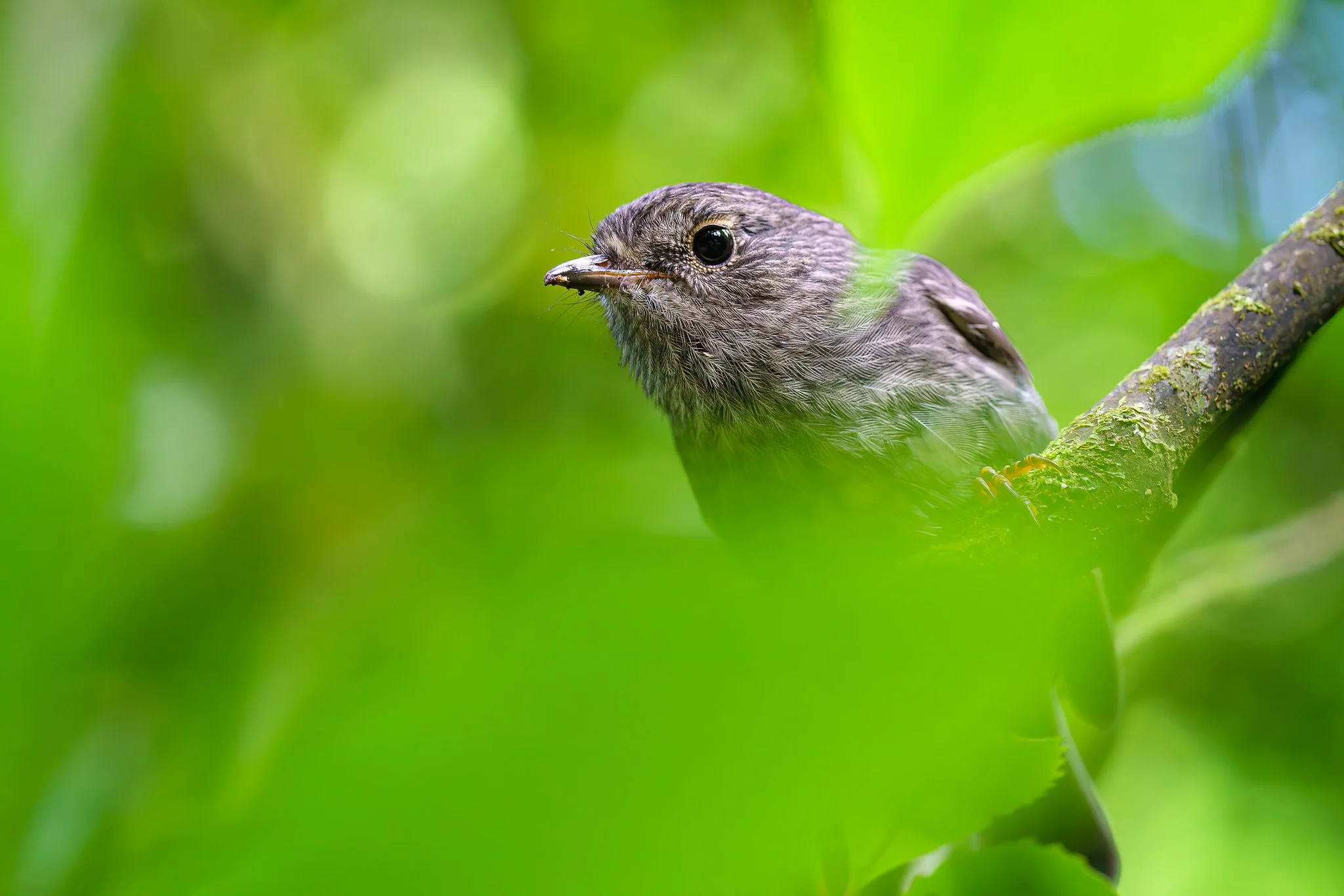
Toutouwai
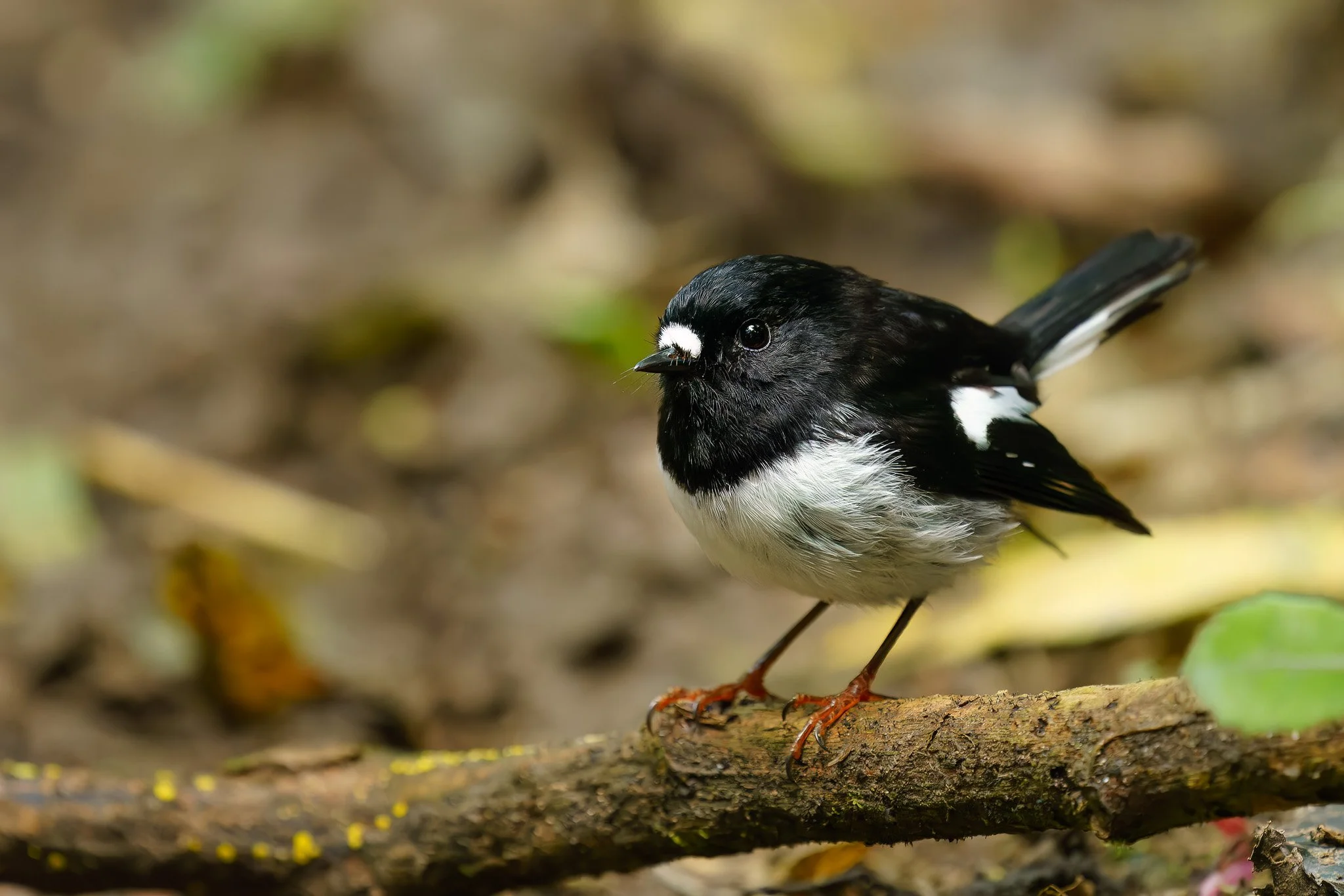
Tomtit
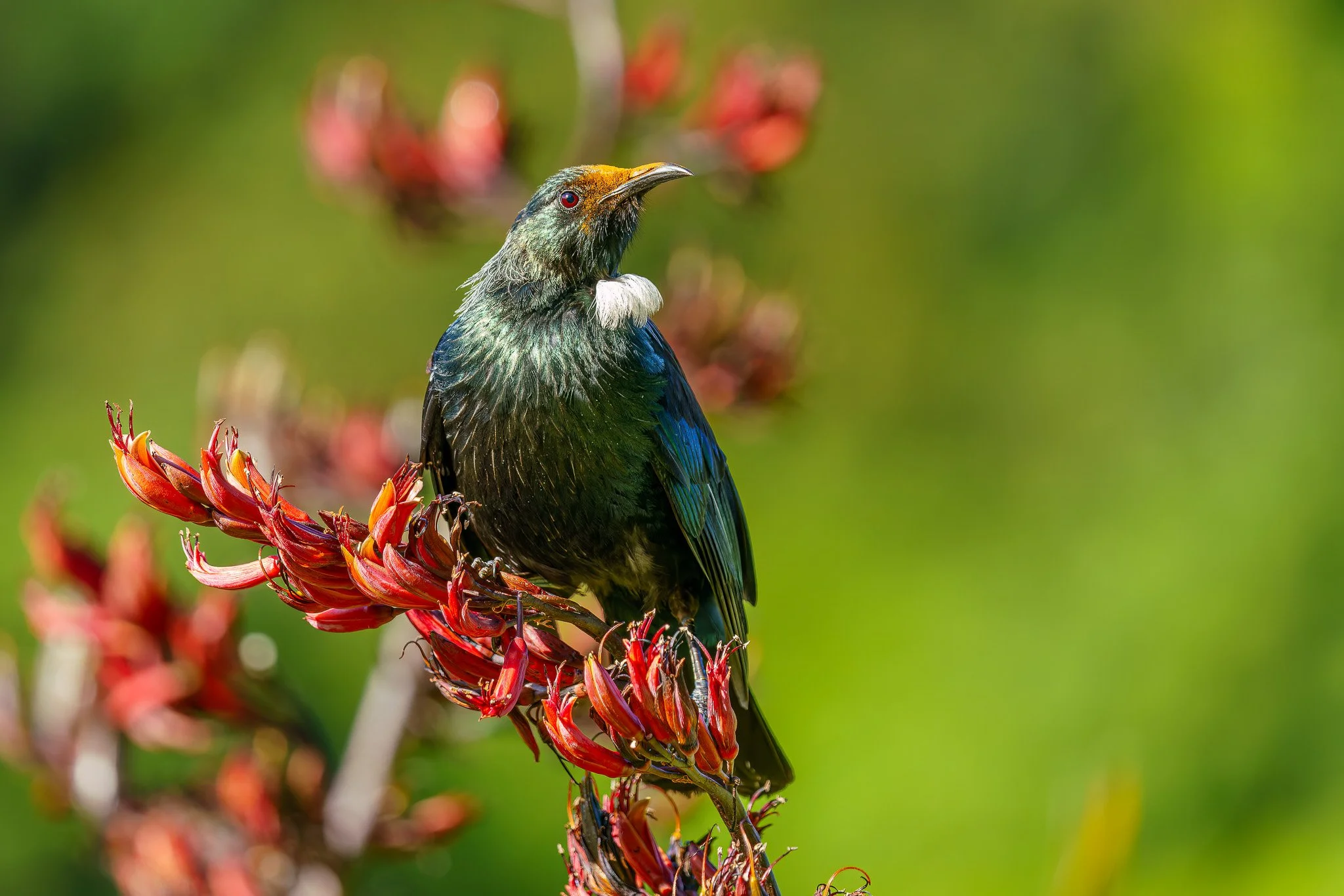
Tui feeding in the lakeside flax
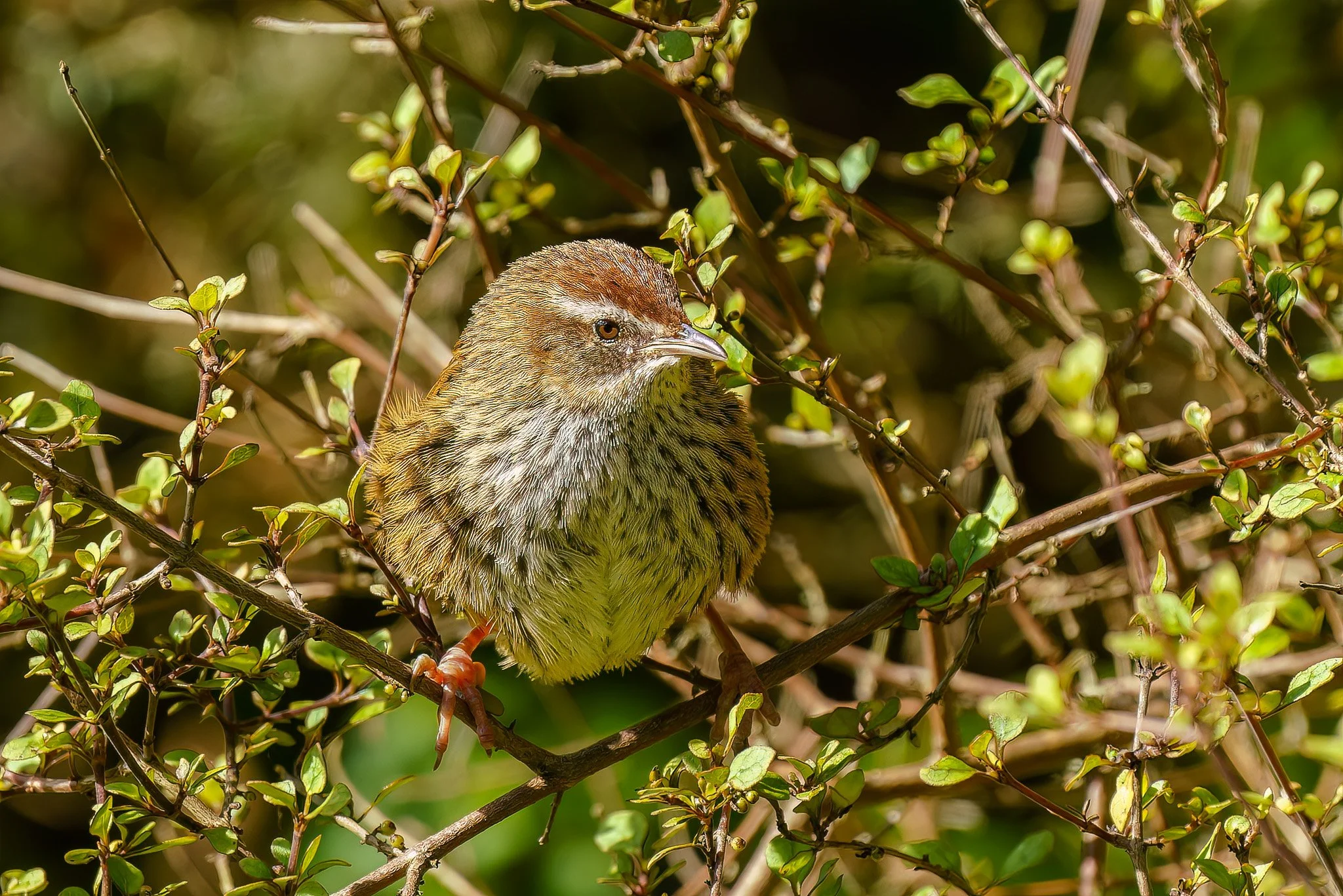
Fernbird – often heard, rarely seen!
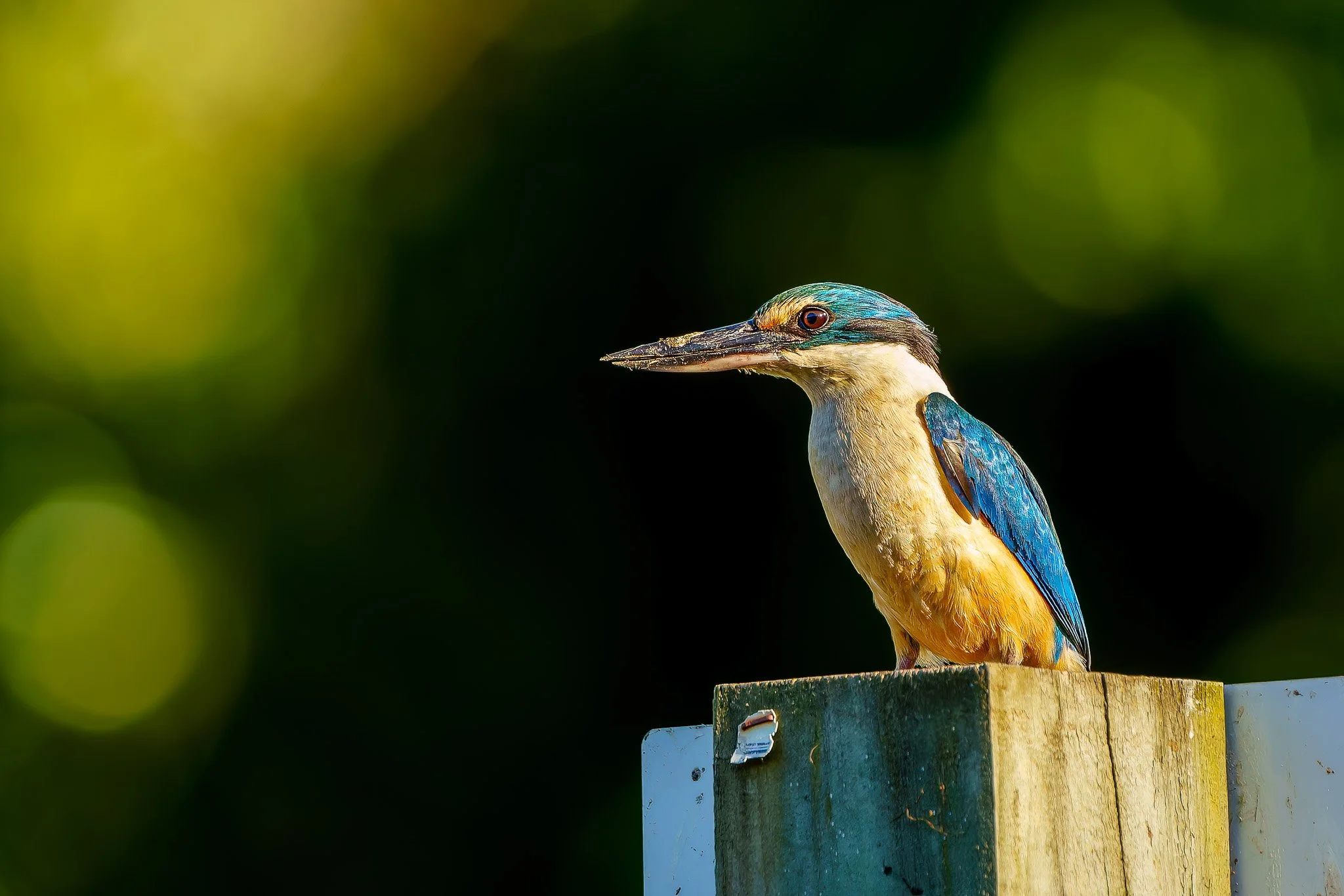
Kotare (kingfisher)
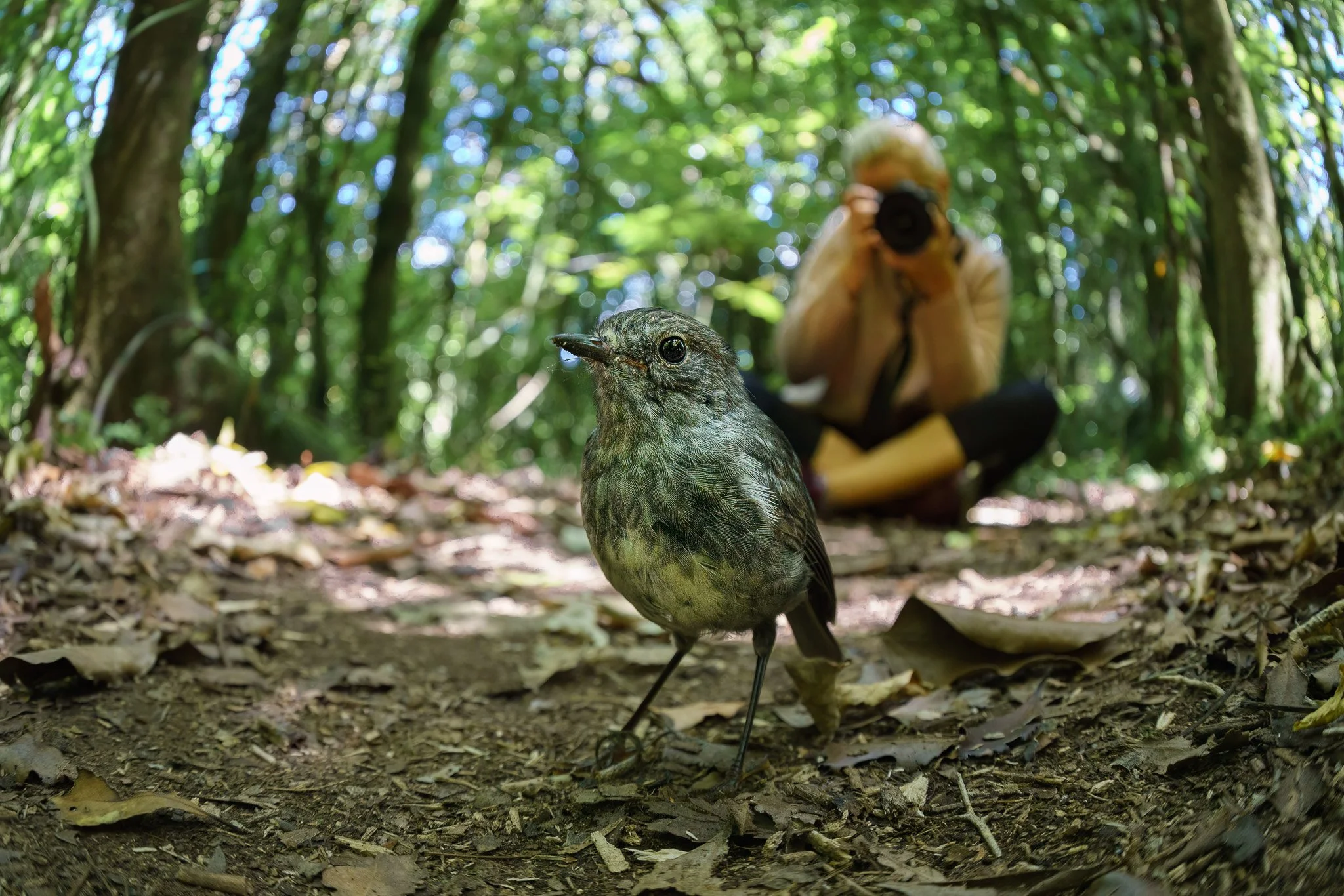
Toutouwai and Mads
A huge amount of work goes into this conservation project – once you’ve been there, I highly recommend signing up as a ‘Friend of the Lake’ to support the Trust that cares for the reserve, and to get ongoing updates on all the awesome stuff going on in and around Rotokare. Check out their Facebook page too. Bring on the tuatara!
Simon.
P. S. You’re welcome to use these photos online for non-commercial purposes – please just link back to this website.
Last updated on