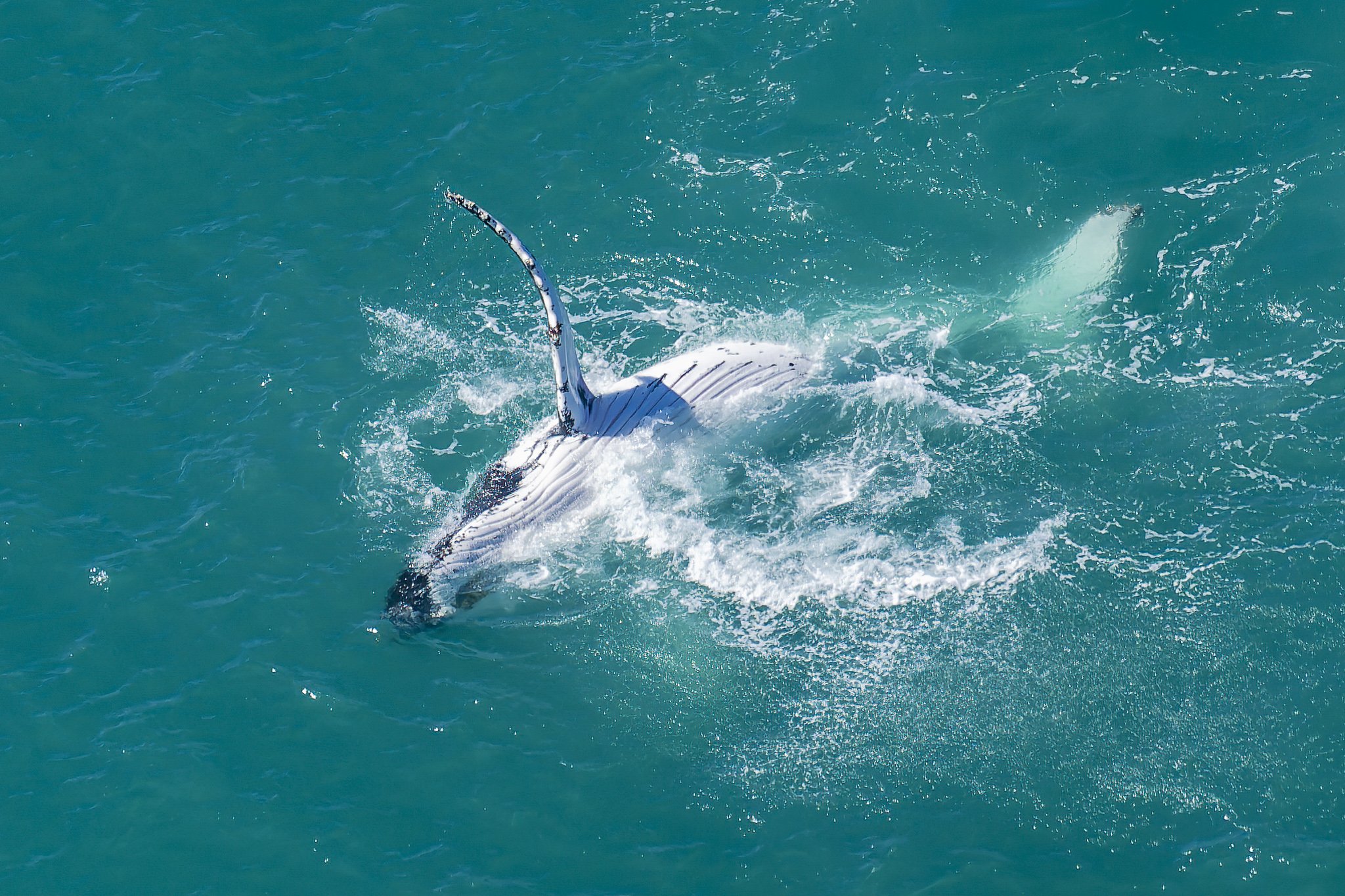

To photograph whales from a helicopter, shoot at 1/3200 s with a light 70–200 mm lens and tracking autofocus, and wear dark clothes so the window doesn't reflect. These notes come from 15 flights as a marine biologist guide with South Pacific Helicopters and Wings Over Whales in Kaikoura, New Zealand. I use a Sony A1 II at 20 fps and the Sony 70–200 f/4 G OSS II, often with a 1.4x teleconverter because we never approach closer than 150 m. I shoot in Manual with auto ISO at f/5.6, and the lens's focus limiter stops it locking onto the window glass. Sperm whales are the stars, with humpbacks, blue whales, orca and huge pods of dusky dolphins as regular extras.
- 15
- helicopter flights
- 1/3200 s
- shutter, to beat vibration
- 150 m
- minimum approach distance
- 20 fps
- Sony A1 II, 'Hi' mode
This is a niche topic covering photography notes from 15 helicopter flights as a marine biologist guide and photographer with South Pacific Helicopters and Wings Over Whales in Kaikoura, New Zealand.
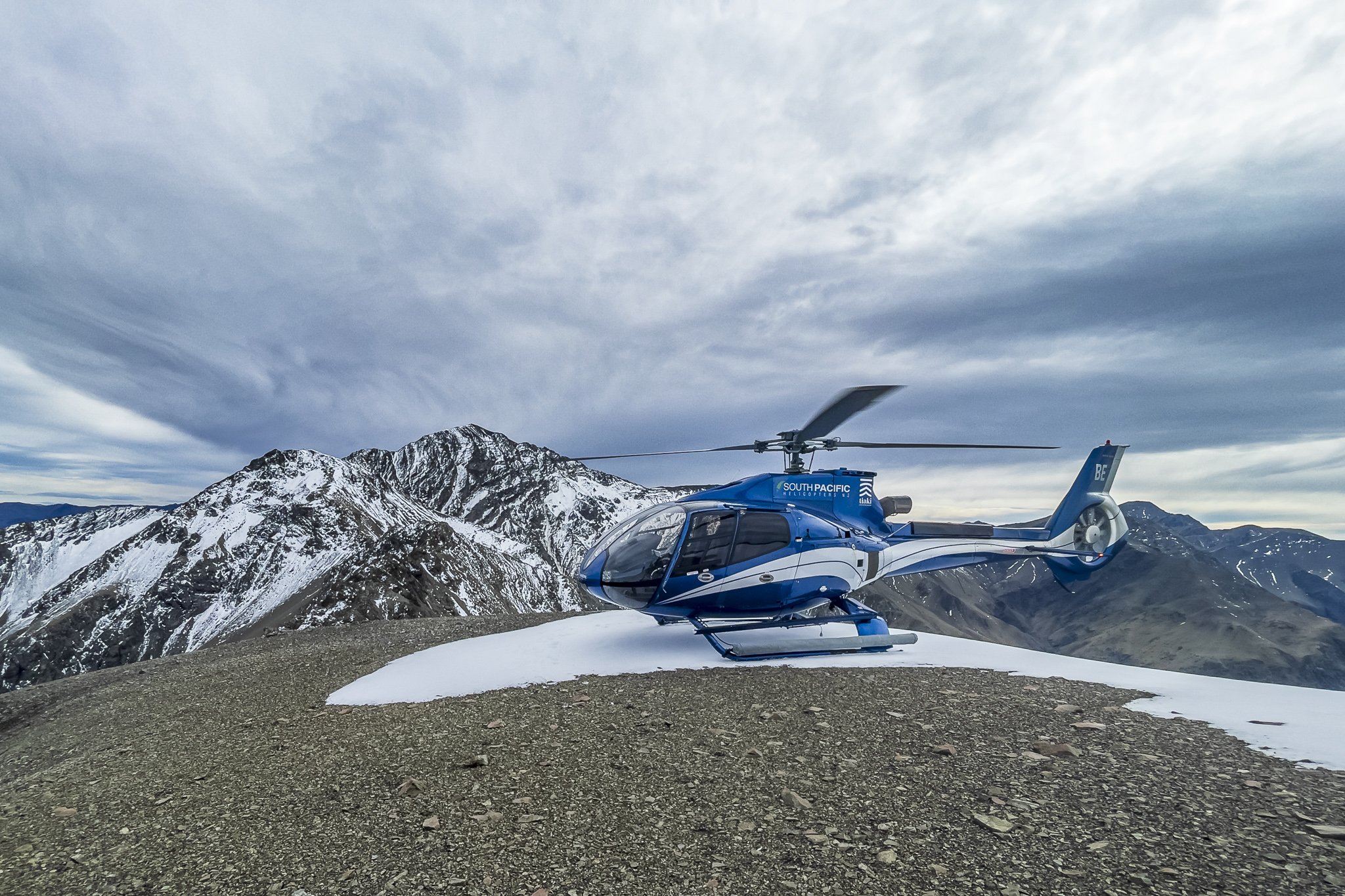 Alpine landings are a nice bonus! That’s Mt Manakau (2,608 m / 8,556 ft) just behind the helicopter
The Camera
I pre-ordered the Sony A1 II and use 20 fps (‘Hi’ mode) rather than the maximum 30 fps for this work. I employ lossless compressed raw files and use zone focus with tracking and shutter-linked autofocus. “The great tracking on this camera helps me (a lot) to keep the autofocus on the animal.”
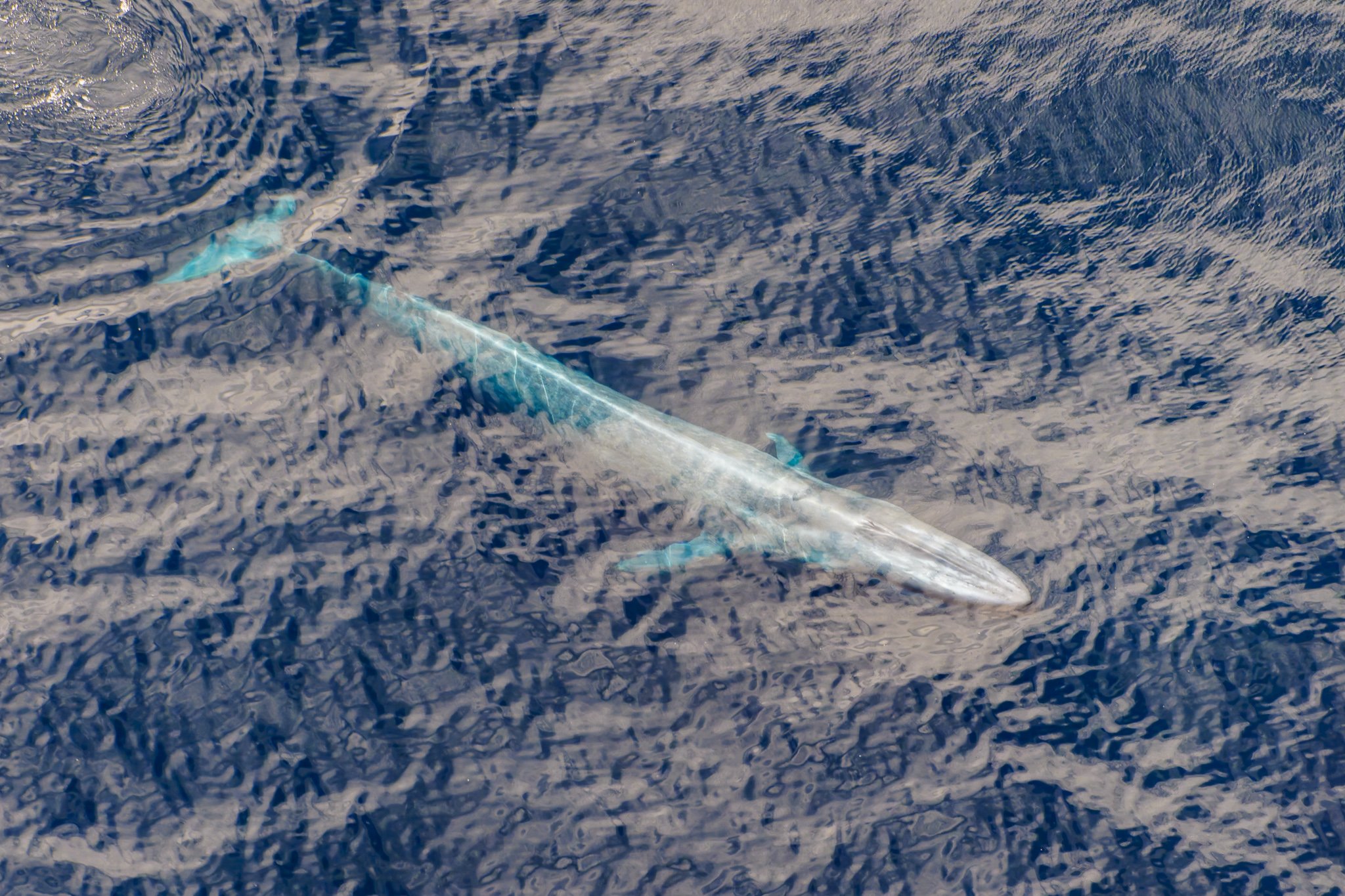
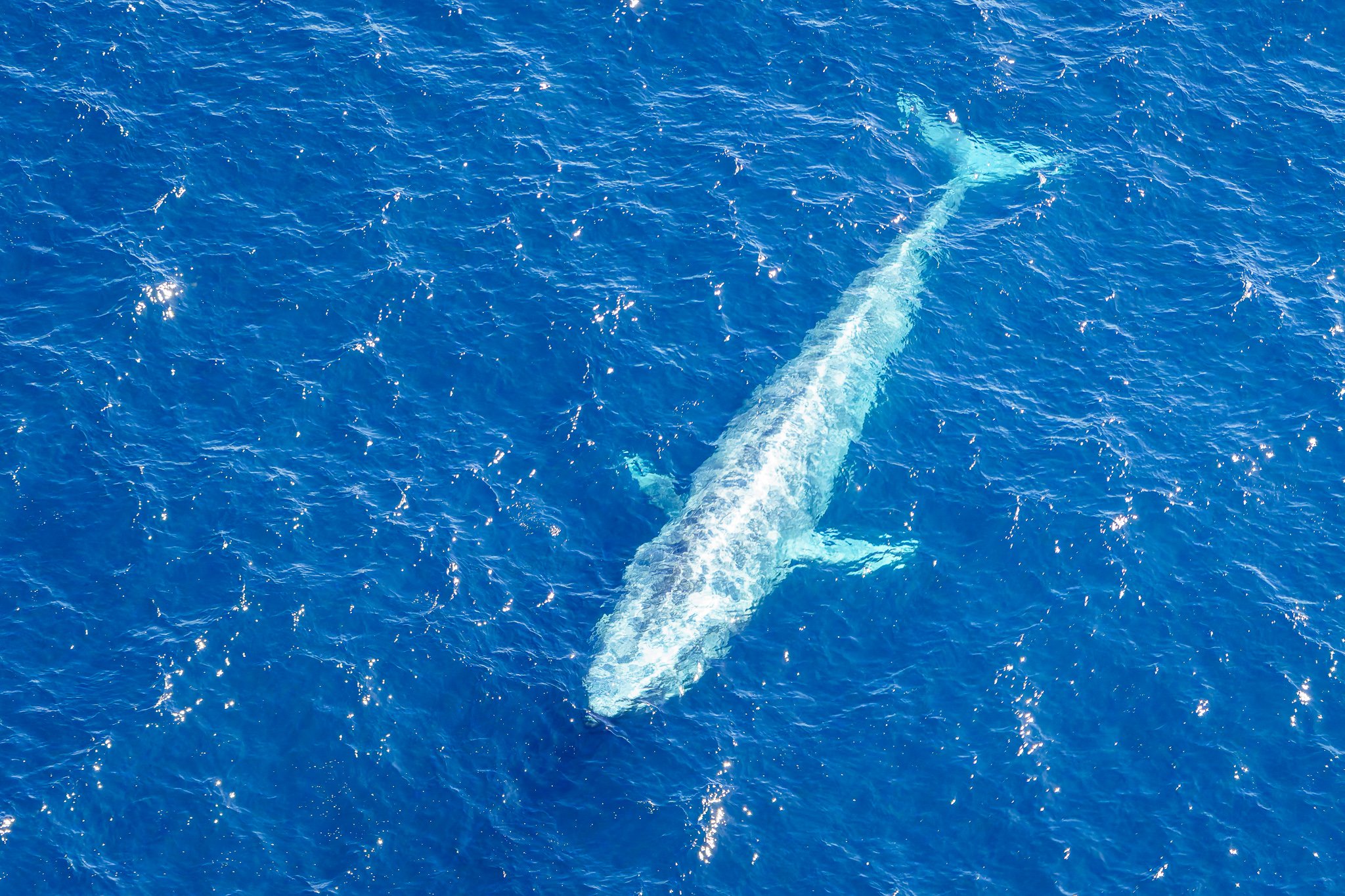
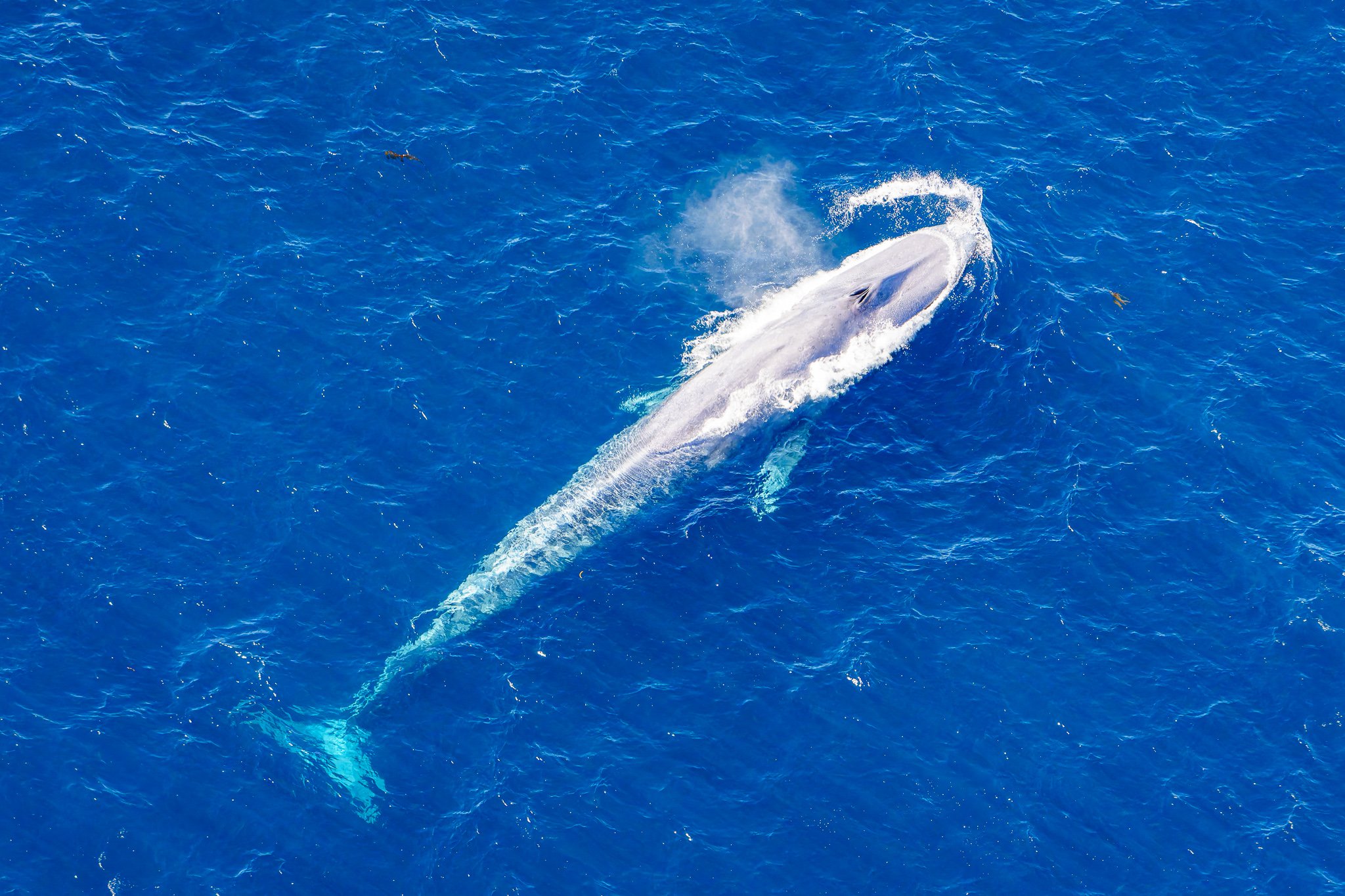 My first (NZ) blue whale sighting!
The Lens
I selected the Sony 70–200 f/4 G OSS II lens for easier one-handed operation around guests. For recent trips, I pair this with the Sony 1.4x teleconverter since “200 is a bit short sometimes (we don’t approach closer than 150 m).” The focus limiter prevents accidental focus on window glass, and I use IS Mode 3 for stabilization.
I initially tested a Sony 100–400 lens but found the 70-200 more practical for this application.
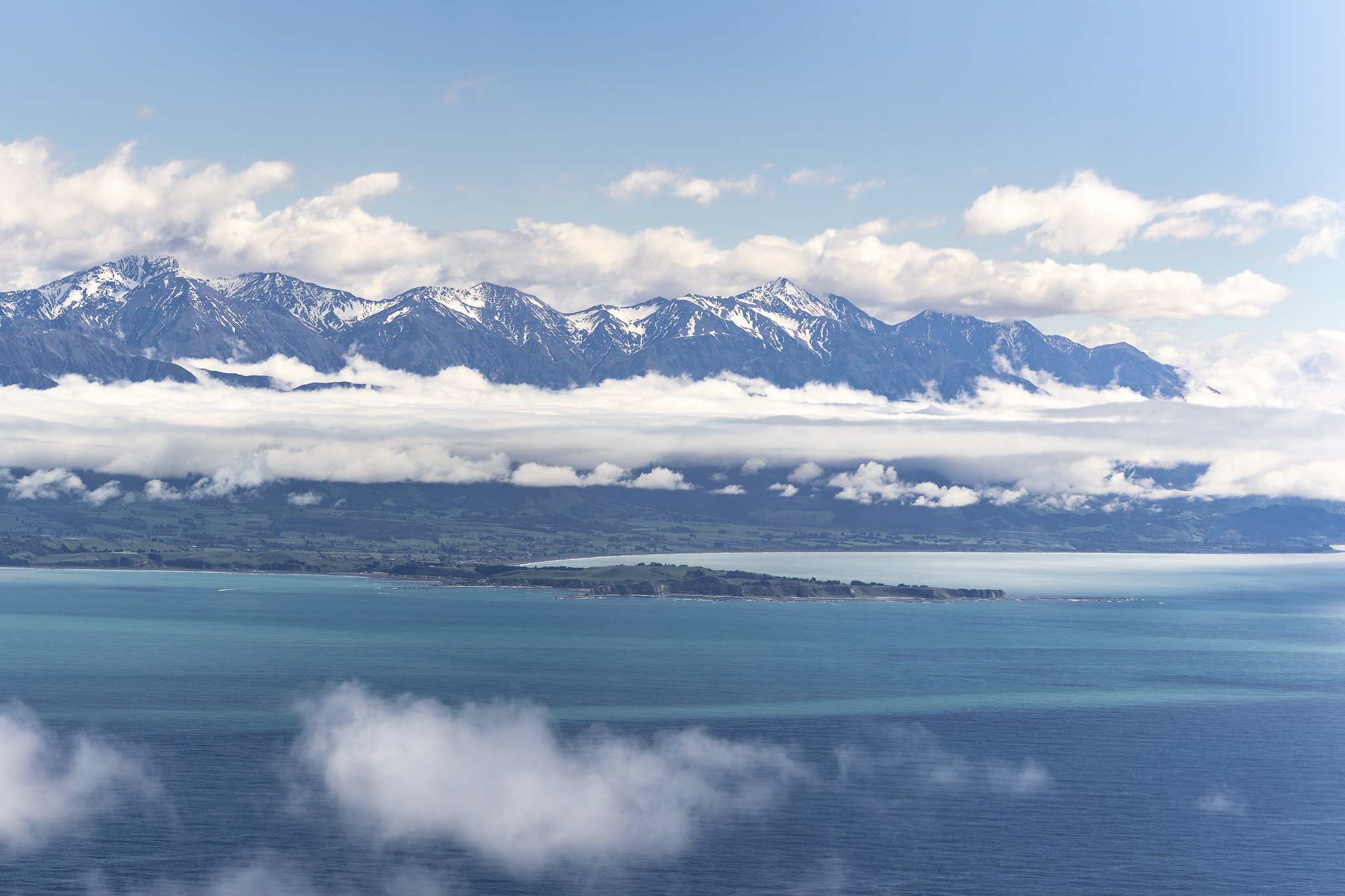 The Seaward Kaikoura Mountains are always impressive too
Settings
I shoot in Manual mode with auto ISO at 1/3200 second shutter speed to freeze motion from a vibrating helicopter. I use maximum aperture (f/5.6 with teleconverter), accepting higher ISOs that clean up well in post-processing.
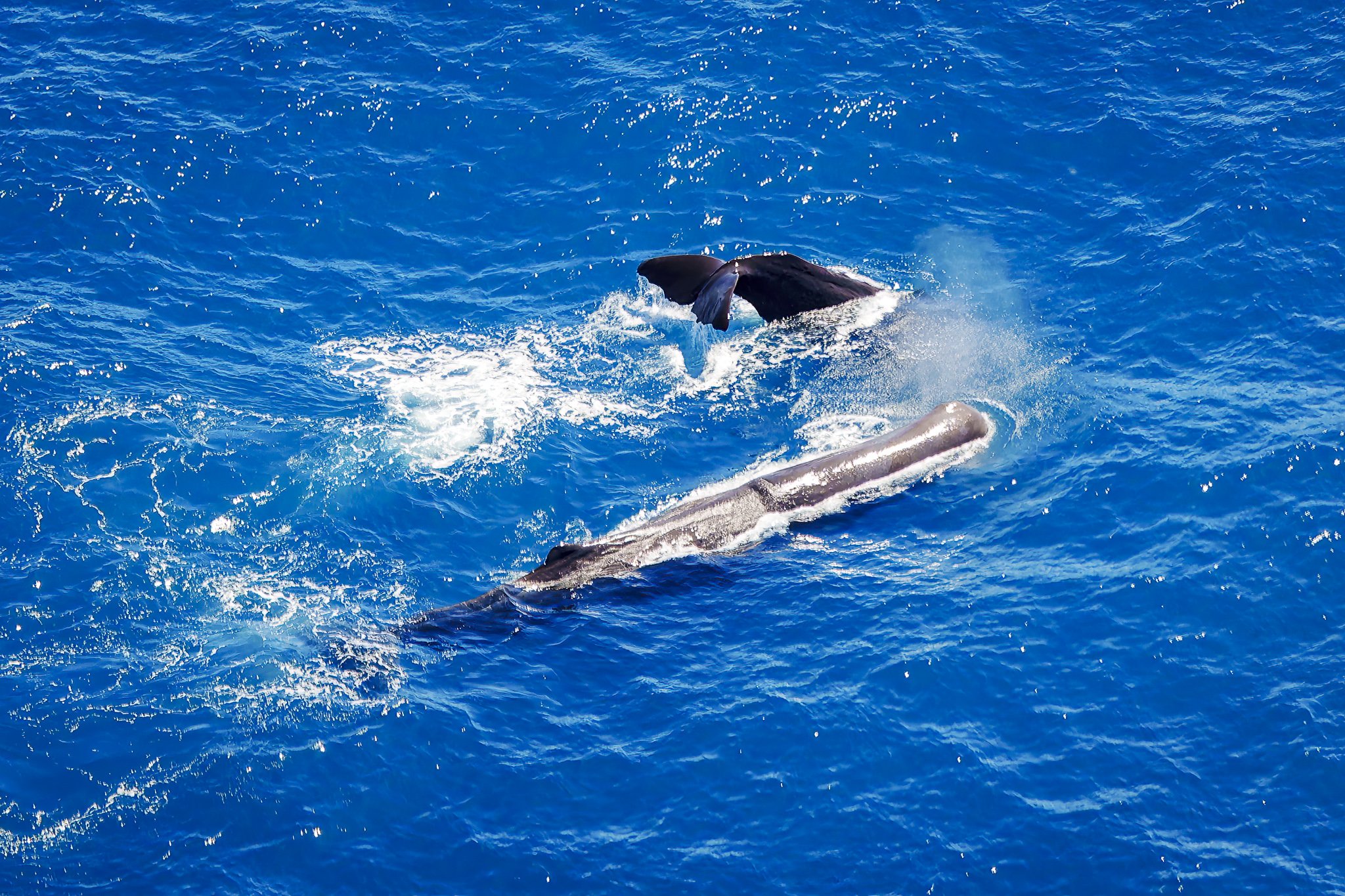
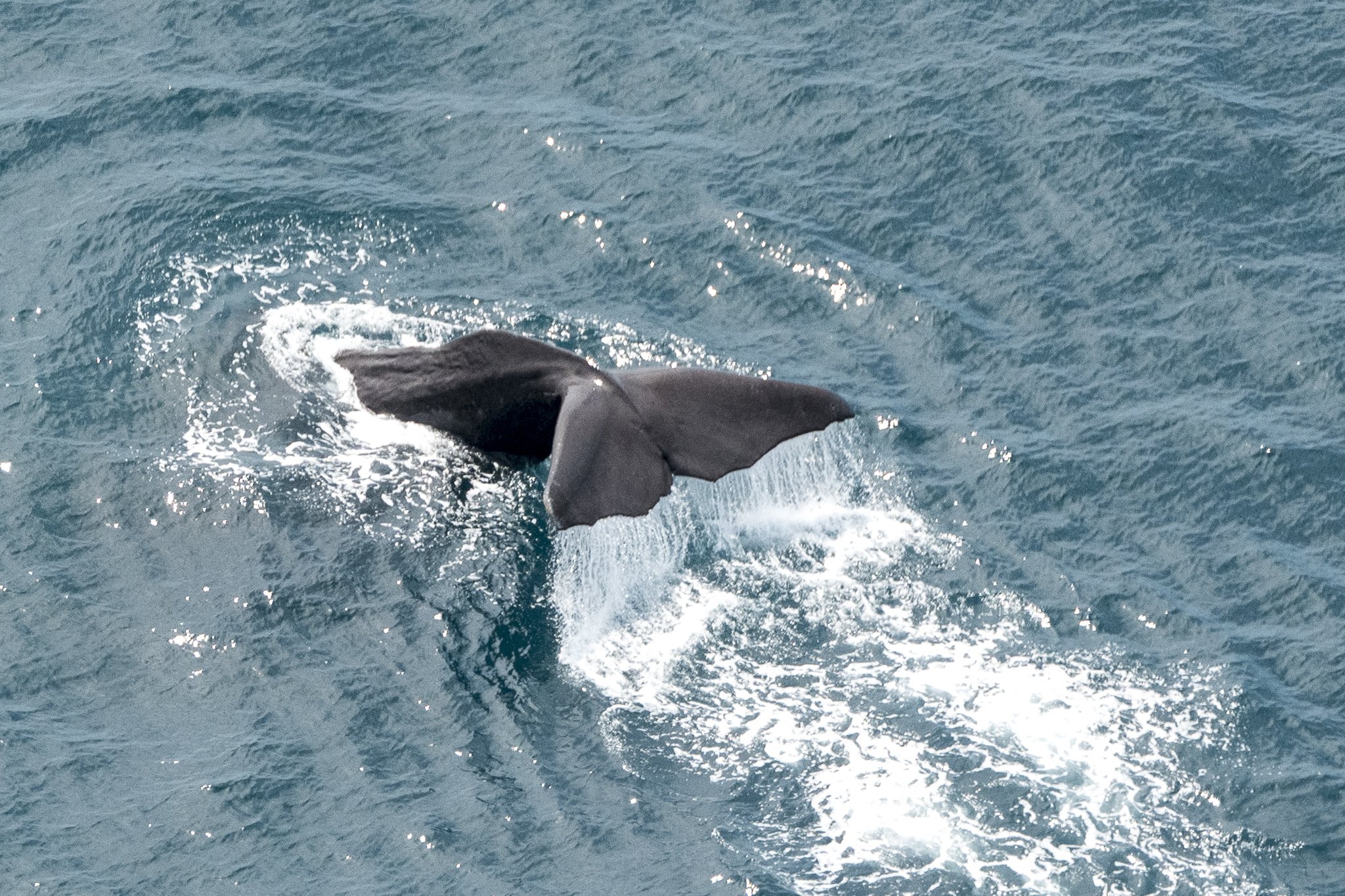
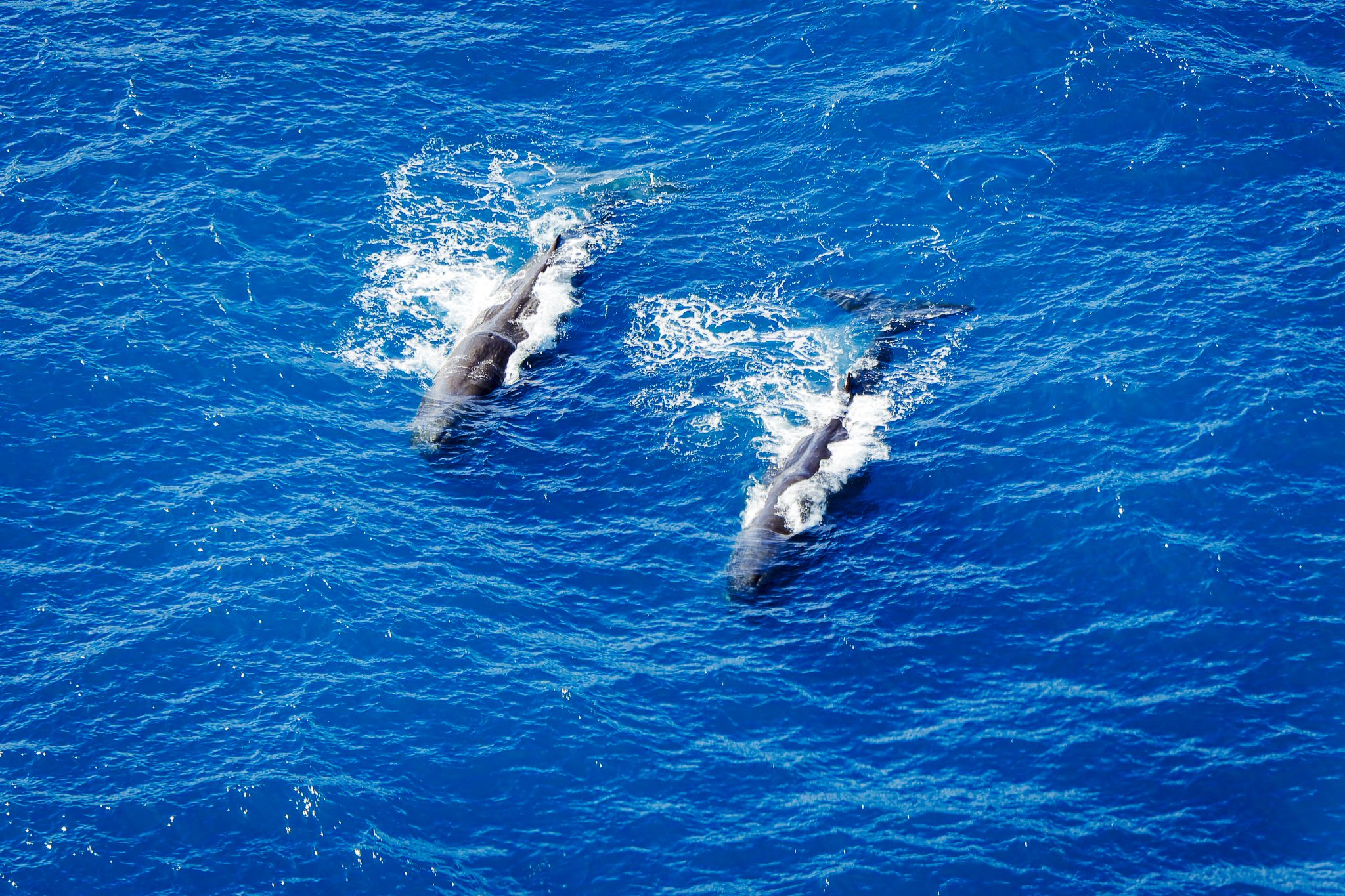
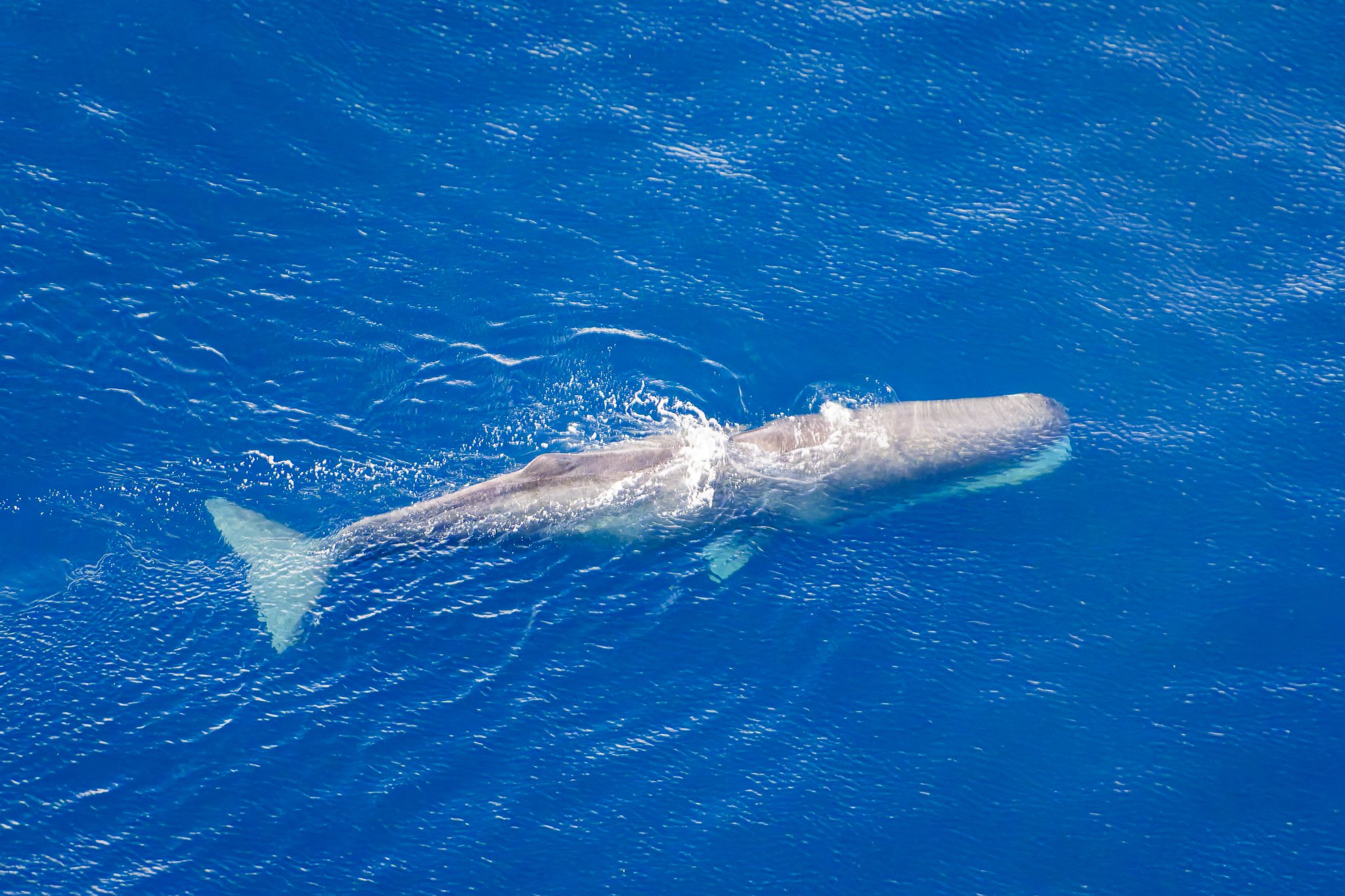
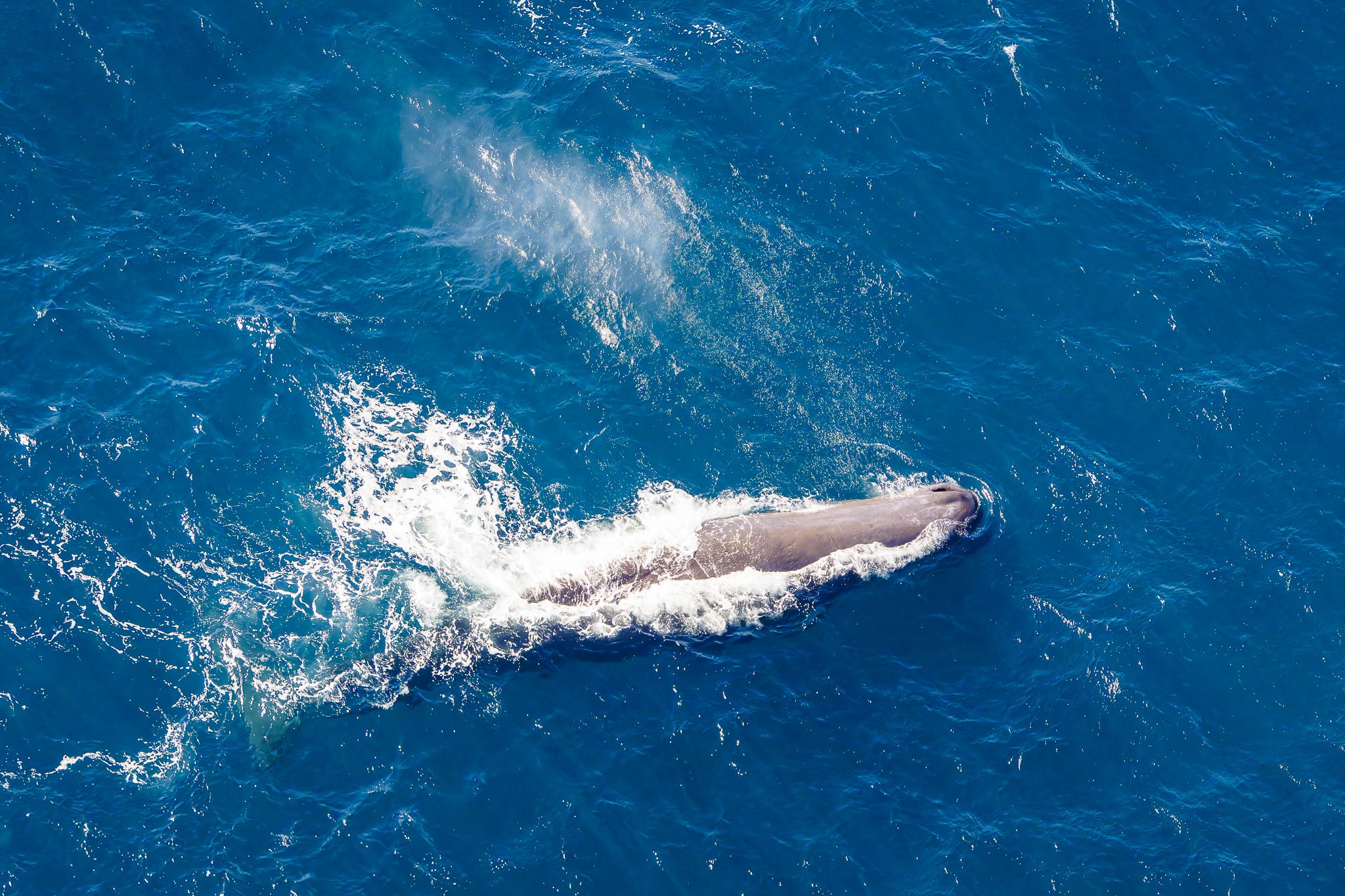
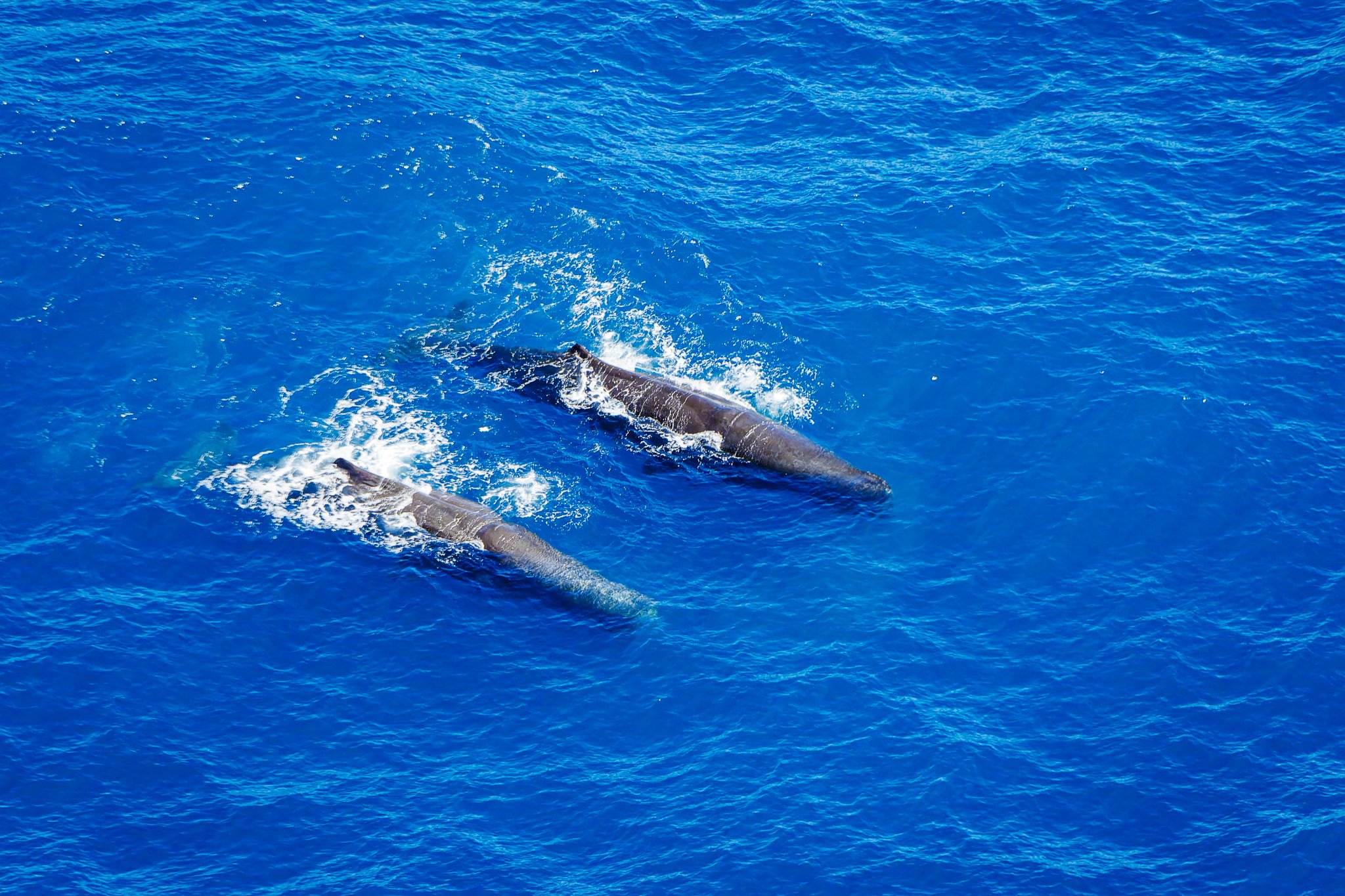 Sperm whales are the main stars of the show off Kaikoura – here we were treated to a (rare) team-up
Post-Processing
All images go through Lightroom Classic with a preset, then selected favorites through DXO PureRaw for noise reduction. You can get a free trial of DXO PureRaw here.
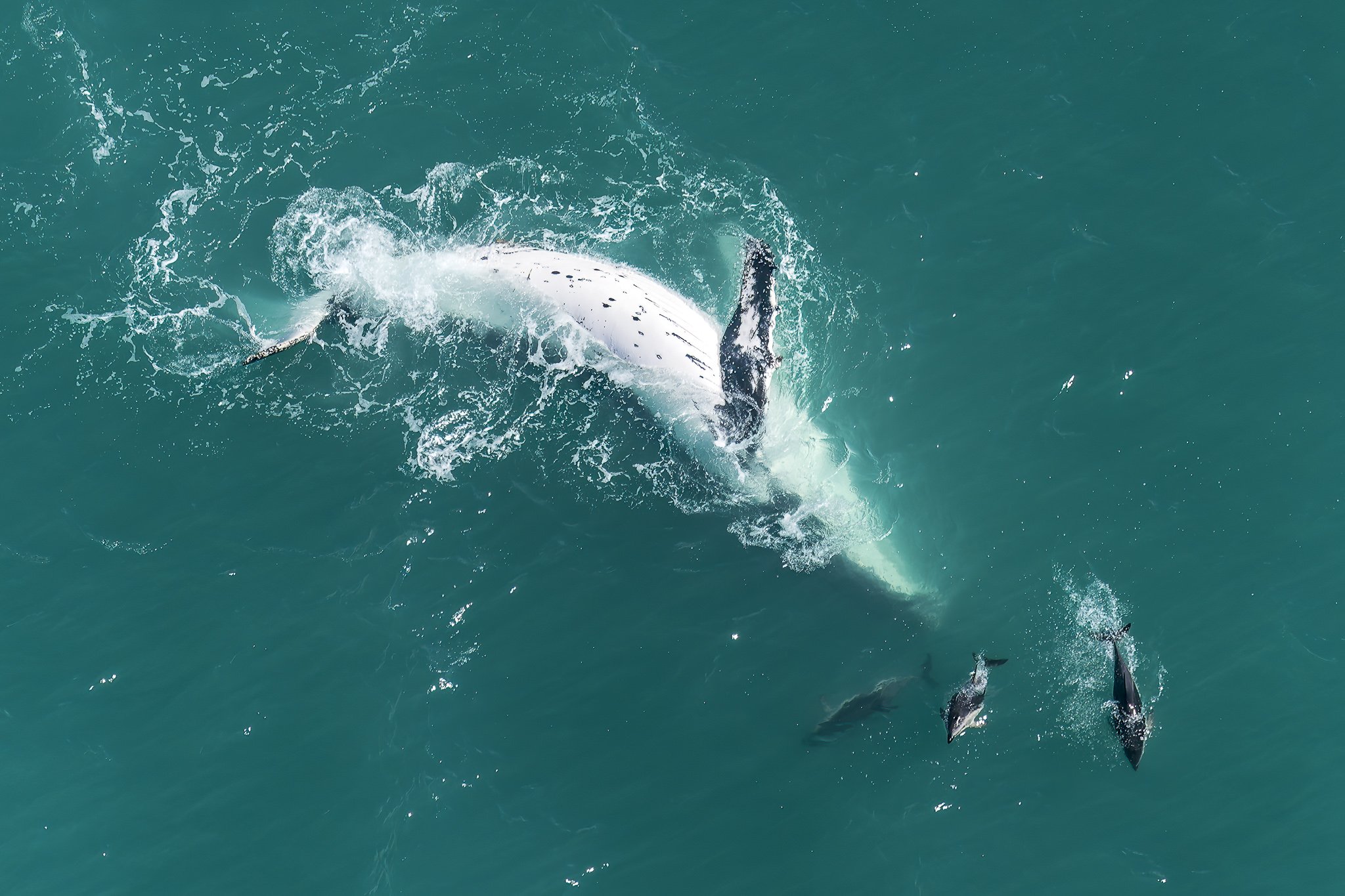 Humpback whale with dusky dolphins
Other Notes
“Wear dark (or at least not brightly-coloured) clothes, as it minimises internal reflection on the windows.”
If you’re visiting Kaikoura, I encourage you to book a flight. If I’m around and available, I’d be happy to come along as a marine biologist guide.
For orca age identification, see this helpful ID chart reference.
Also check out Moana Mark for more marine photography resources.
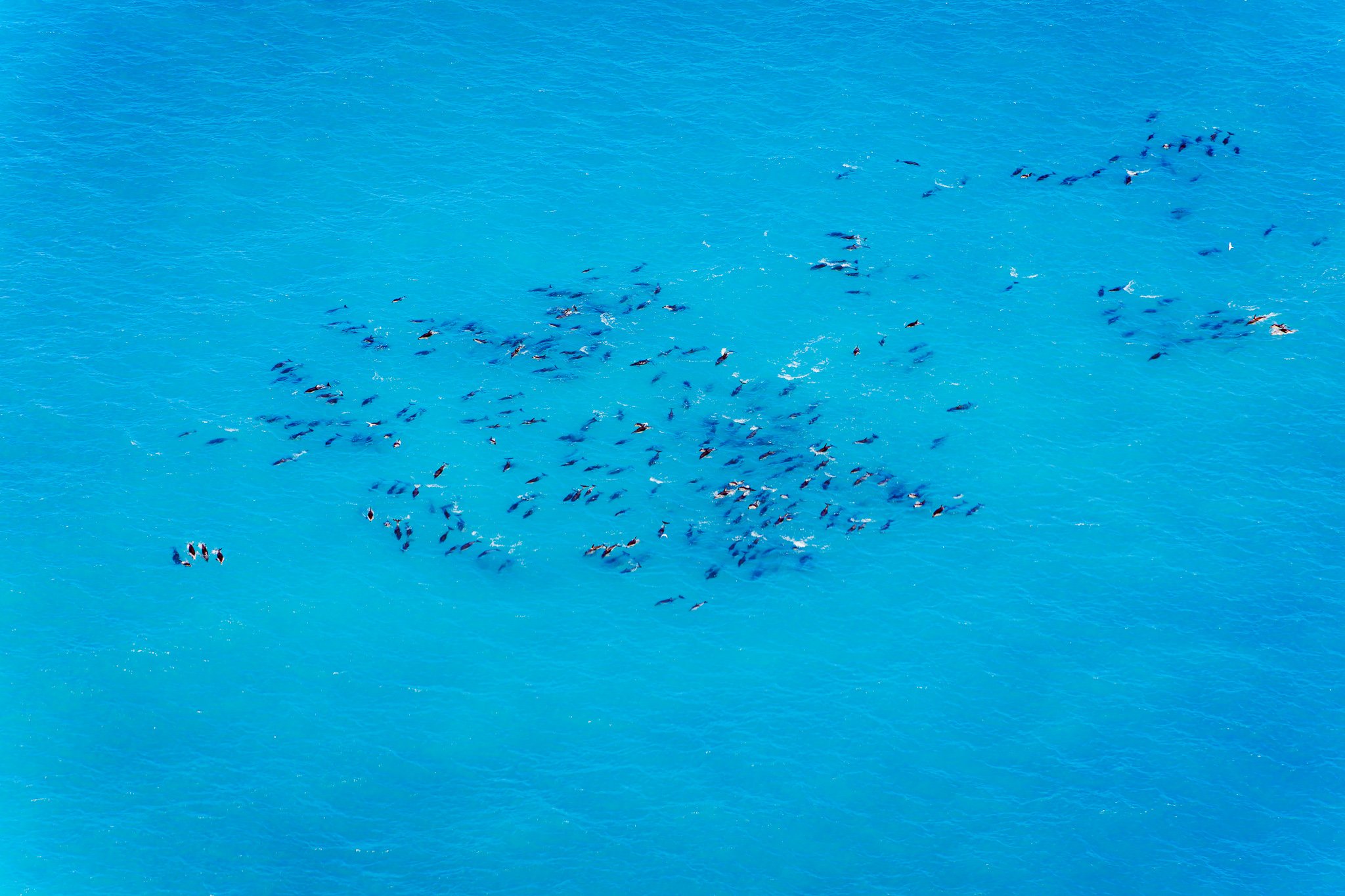 There are enormous pods of dusky dolphins off Kaikoura – and they’re awesome little dolphins!
Gallery
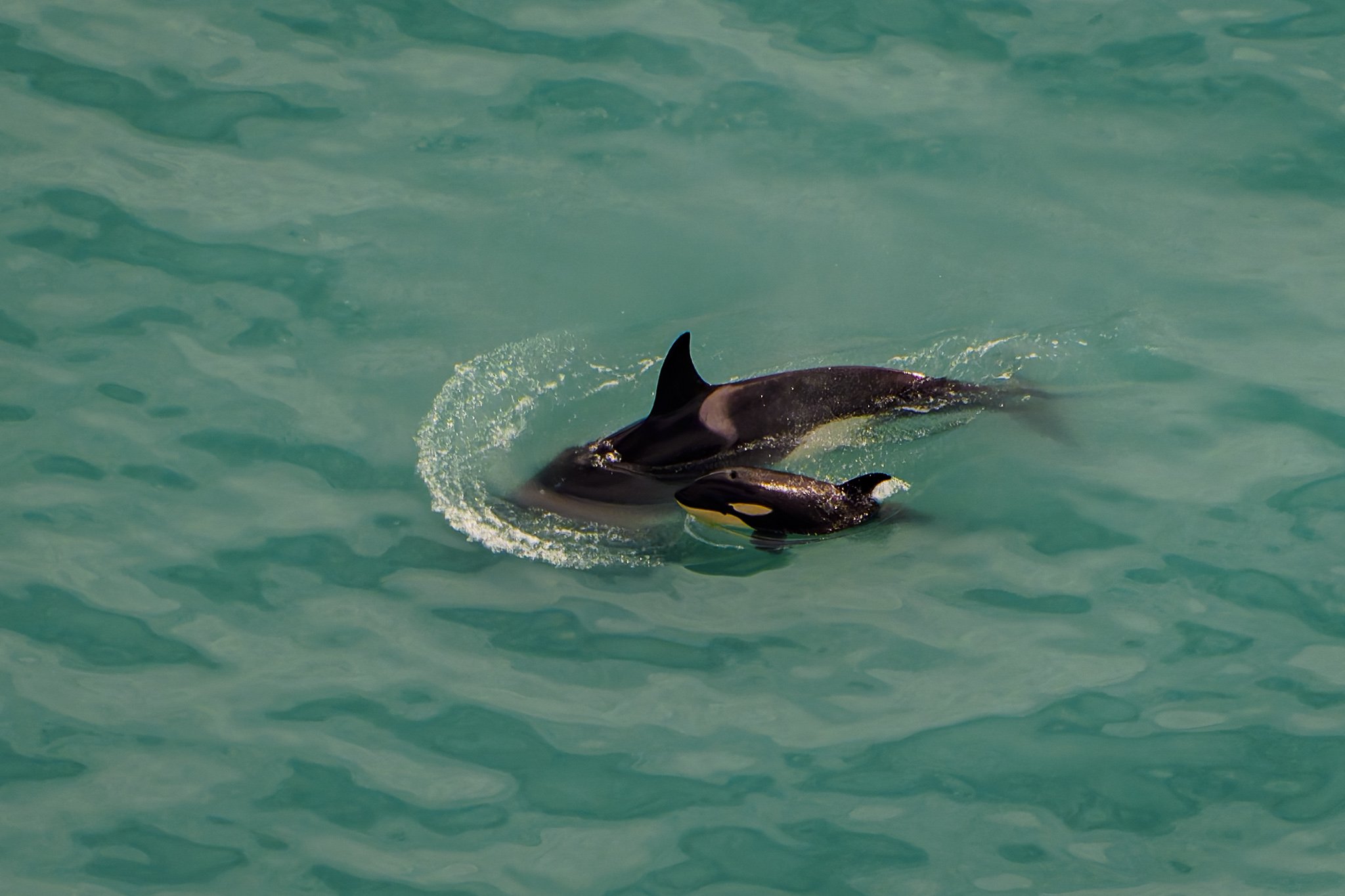 Baby orca! They’re black and ‘mustard’ coloured until they’re about 6 months old
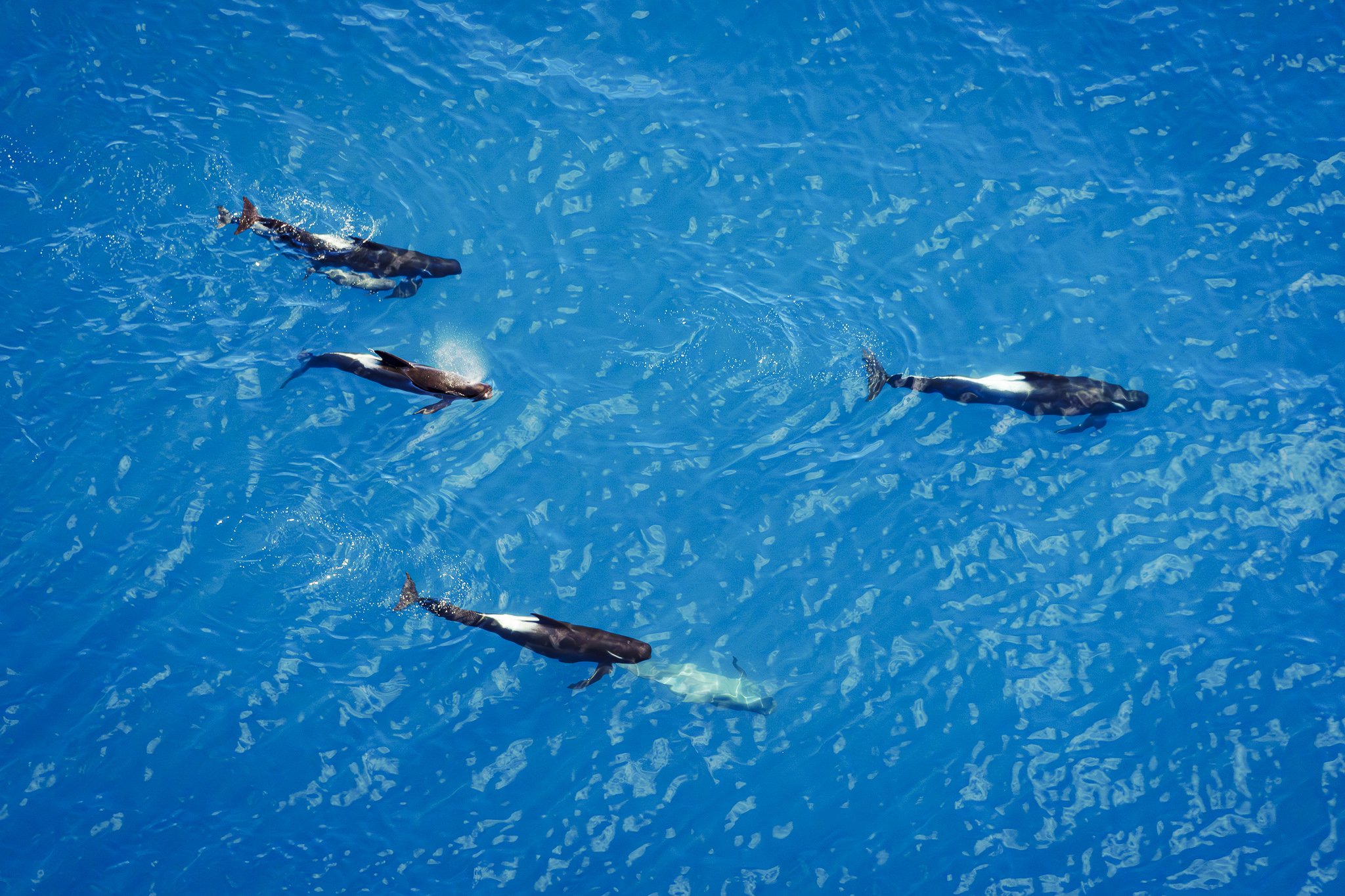 Long-finned pilot whales
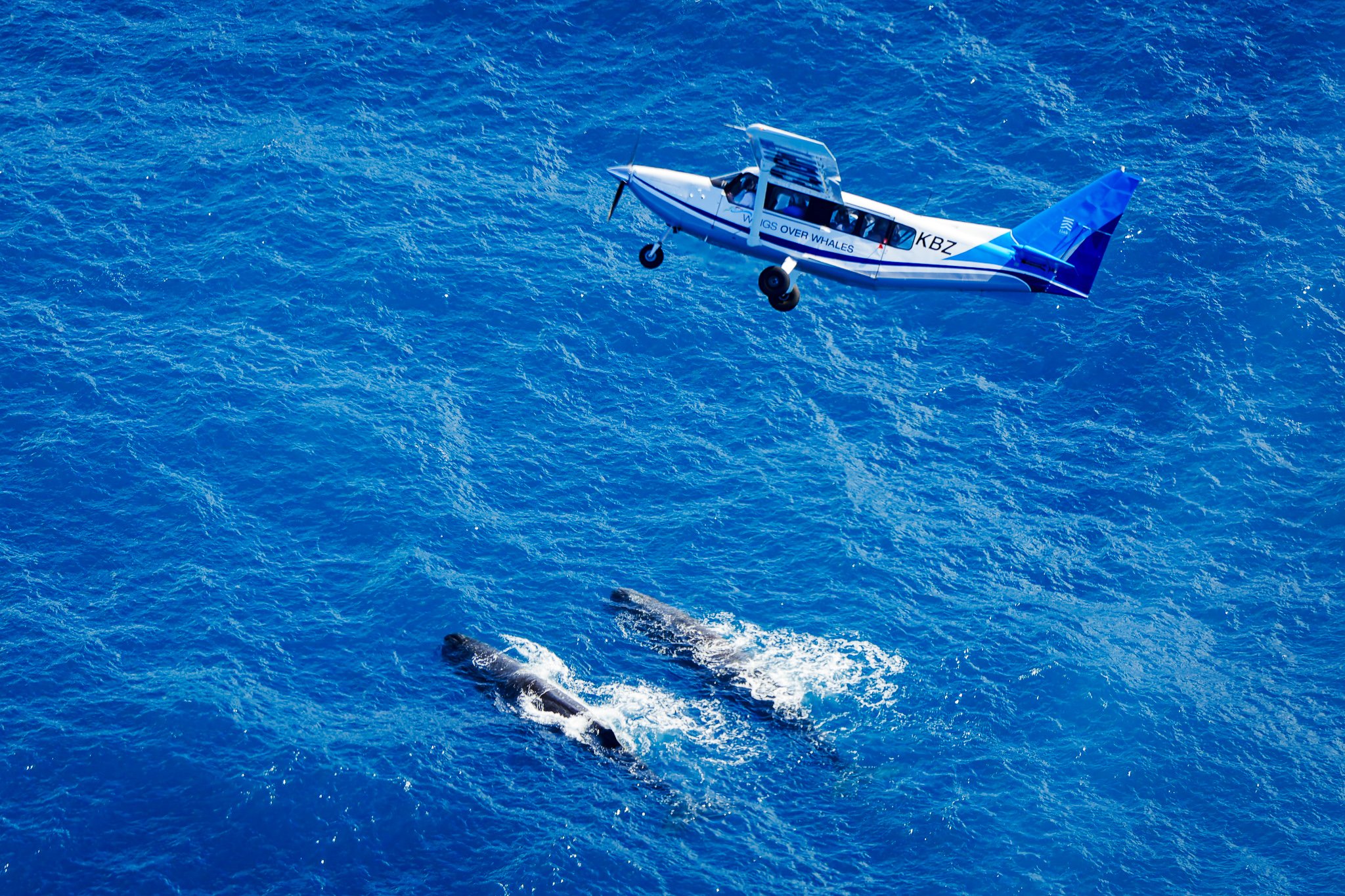 The Wings Over Whales experience (from the helicopter)
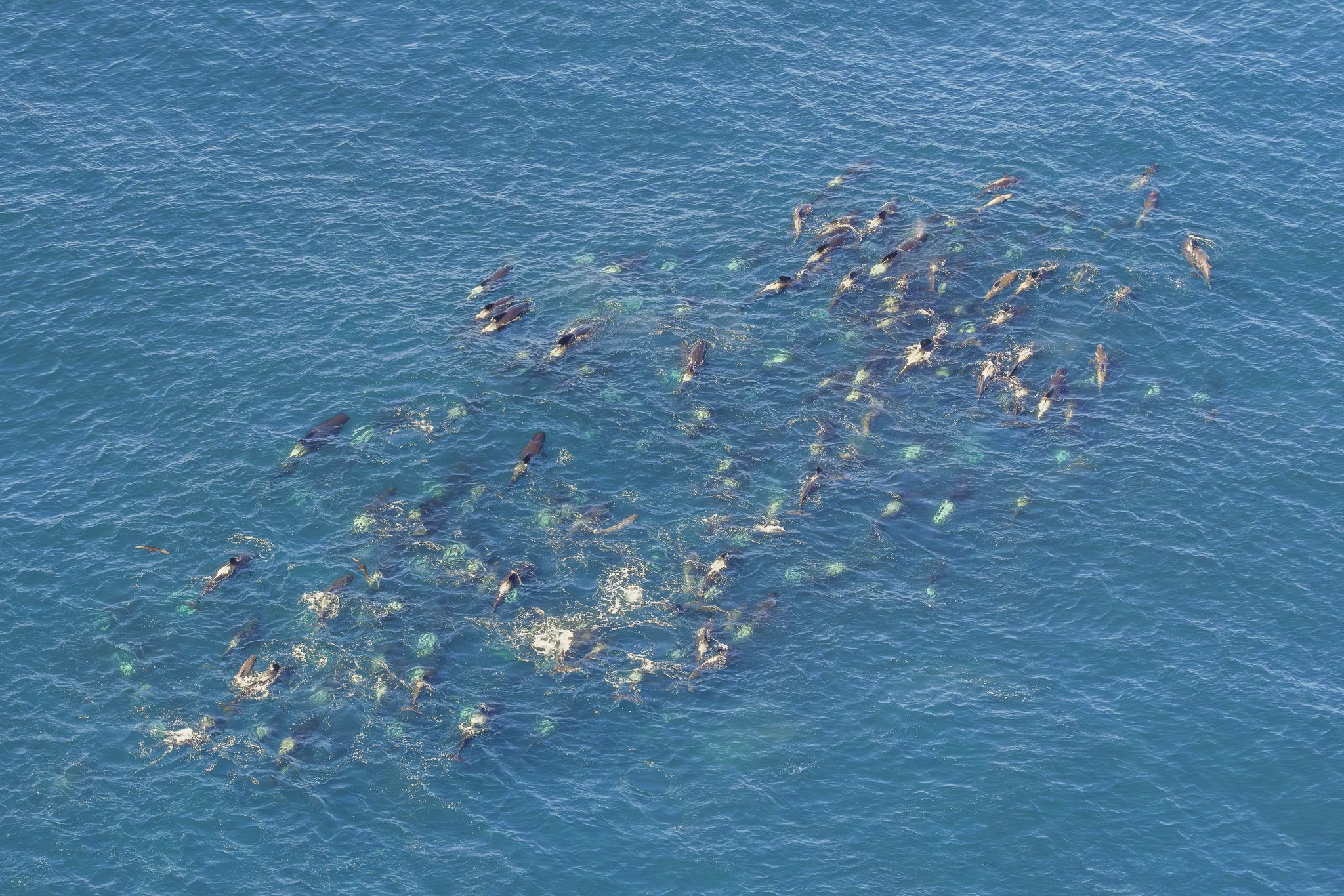
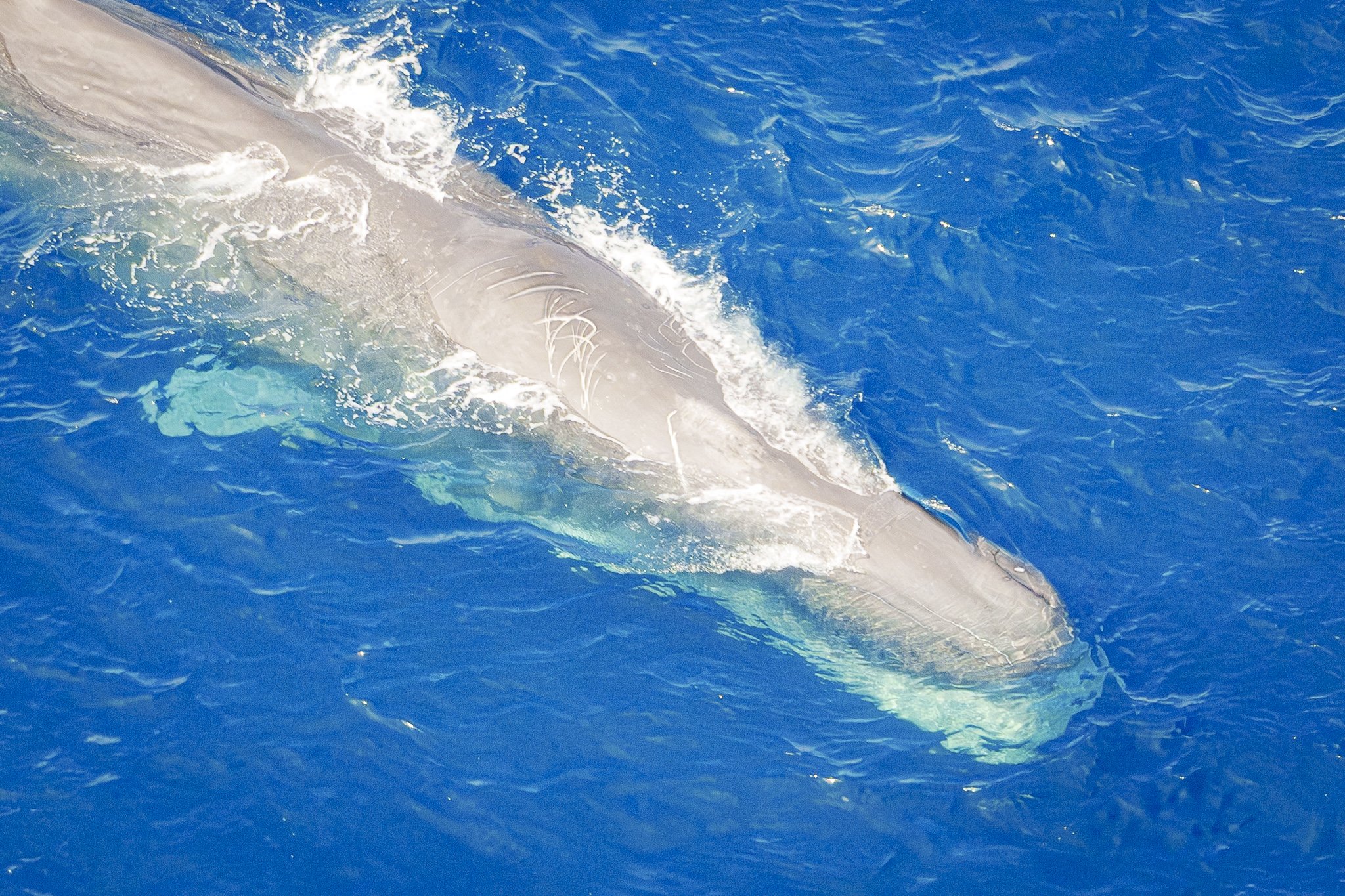
Field data
The key facts from this guide in one place.
| Location | Kaikoura, New Zealand |
|---|---|
| Platform | Helicopter, with South Pacific Helicopters and Wings Over Whales |
| Flights logged | 15 |
| Minimum approach distance | 150 m |
| Main species | Sperm whale. Also humpback whale, blue whale, orca, long-finned pilot whale, dusky dolphin |
| Camera | Sony A1 II, 20 fps ('Hi' mode), lossless compressed raw |
| Lens | Sony 70–200 f/4 G OSS II, with Sony 1.4x teleconverter |
| Exposure | Manual, 1/3200 s, f/5.6, auto ISO |
| Post-processing | Lightroom Classic, then DxO PureRaw for noise reduction |