I hosted a Galapagos liveaboard trip with Aqua-Firma on the Humboldt Explorer, operating from San Cristobal, late last month. I had a fantastic time, with some of my best-ever dives, so I thought I’d pull together a quick photo post!
After a few days on Isabela Island on a wildlife-watching trip (photos to come), we flew over to San Cristobal on a small plane. We wandered down to the “Hammerhead Pier” early the next afternoon and were met by one of the dive guides from the Humboldt Explorer and transferred out to the boat. It was great to see a few familiar faces from past trips, and lots of new ones!
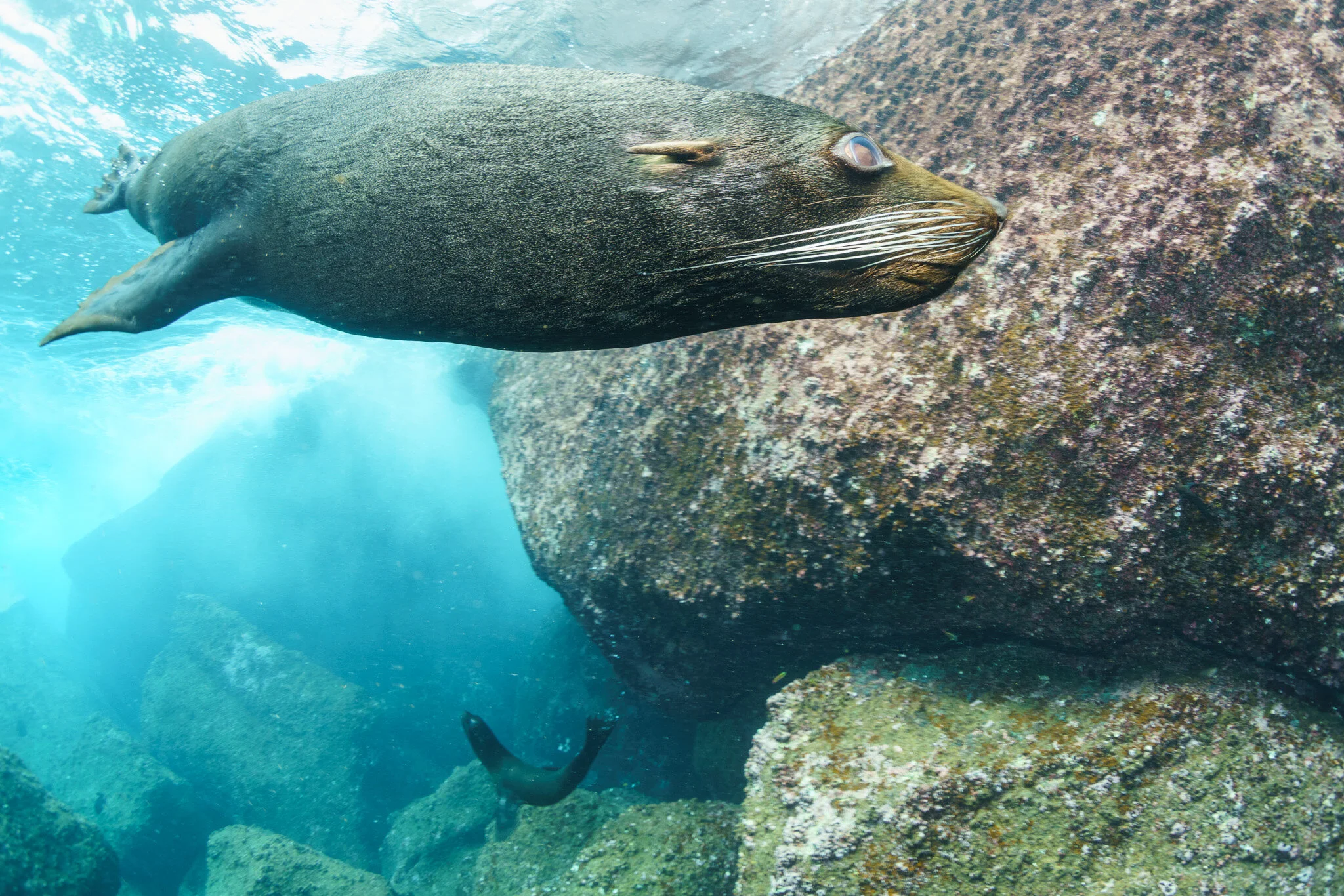
We did a quick checkout dive that afternoon, which was designed to be uneventful so I only took my GoPro 7. Of course, we then had a great encounter with a small sea lion who was thoroughly enjoying being naughty for the cameras. I’ll post some video once I get back to New Zealand.
Punta Carrion, Santa Cruz
After dinner we set off to our first “proper” dive site, Punta Carrion at the northern end of Santa Cruz. This site is… okay. I’ve seen mola there previously, but no such luck this time. We did see a few whitetip reef sharks, rays and various other interesting critters though.
North Seymour Island
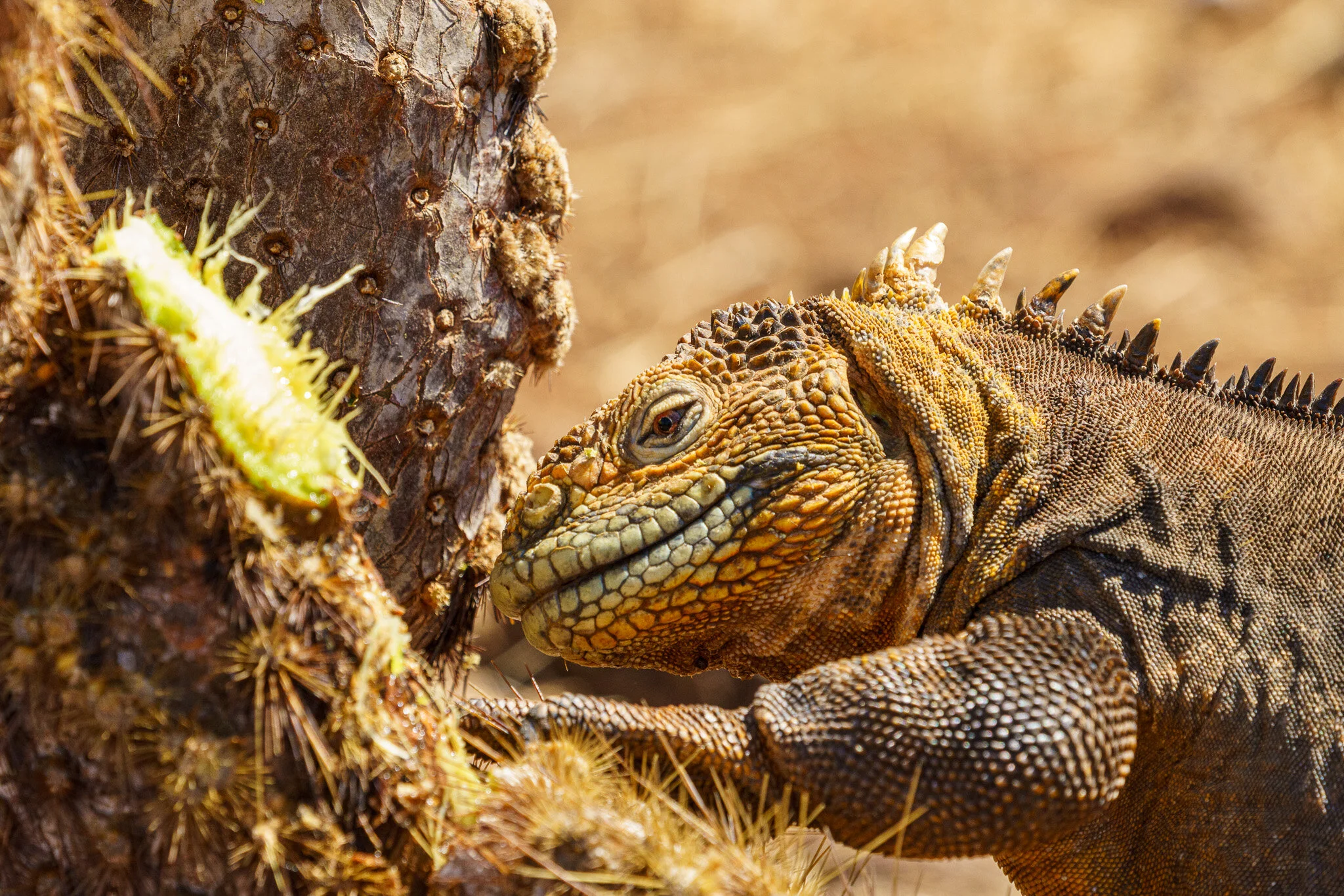
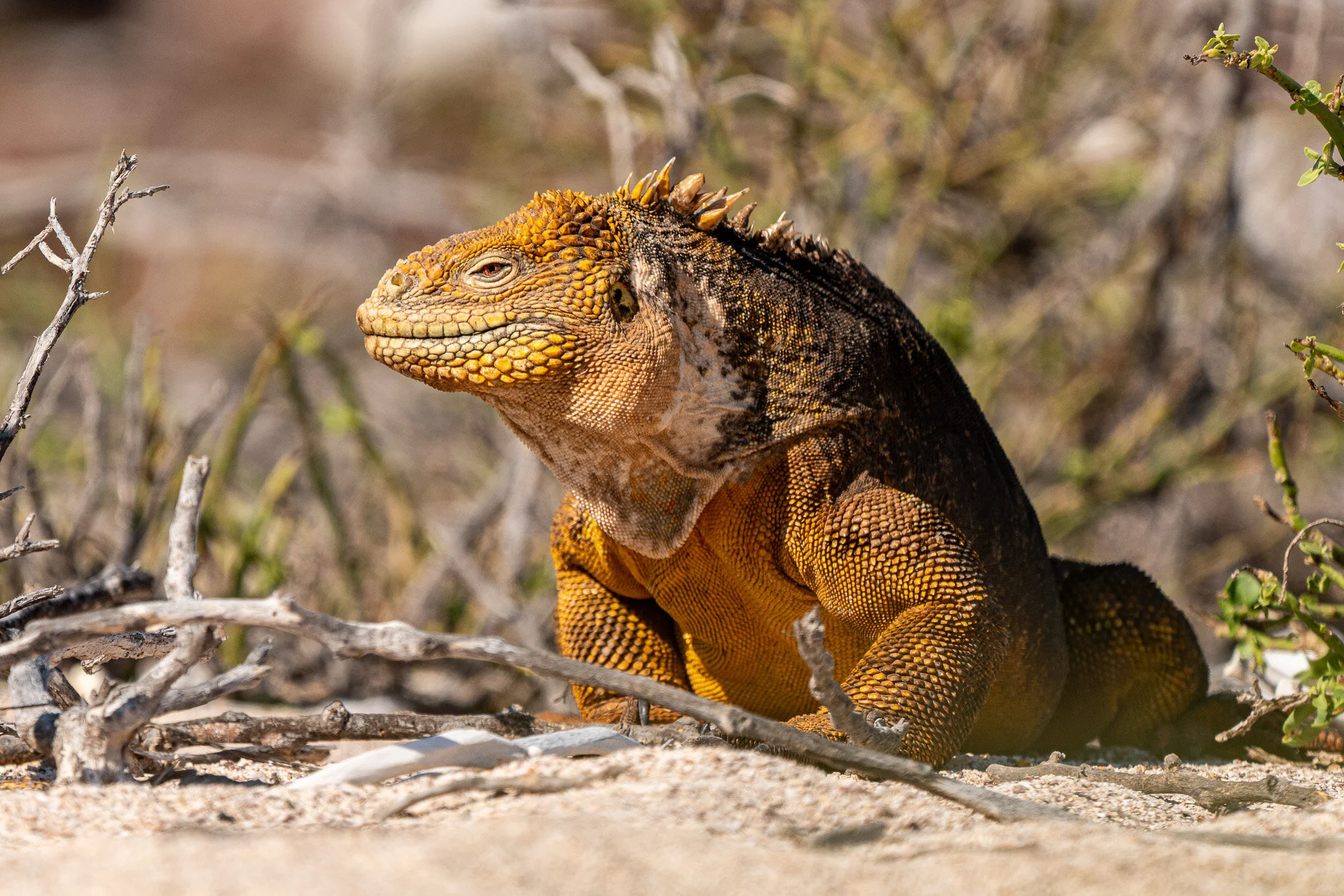
HOWEVER, the great thing about Punta Carrion is that it’s close to North Seymour Island, where we were taken ashore for a walkaround. This is an island I’ve wanted to visit for years, as I’d been told that there’s a good chance of seeing land iguanas. I’m a reptile geek from waaaaay back, so I was completely overstimulated at the prospect.
“Good chance” was underselling it. They’re everywhere!
AND THEY’RE MAGNIFICENT.
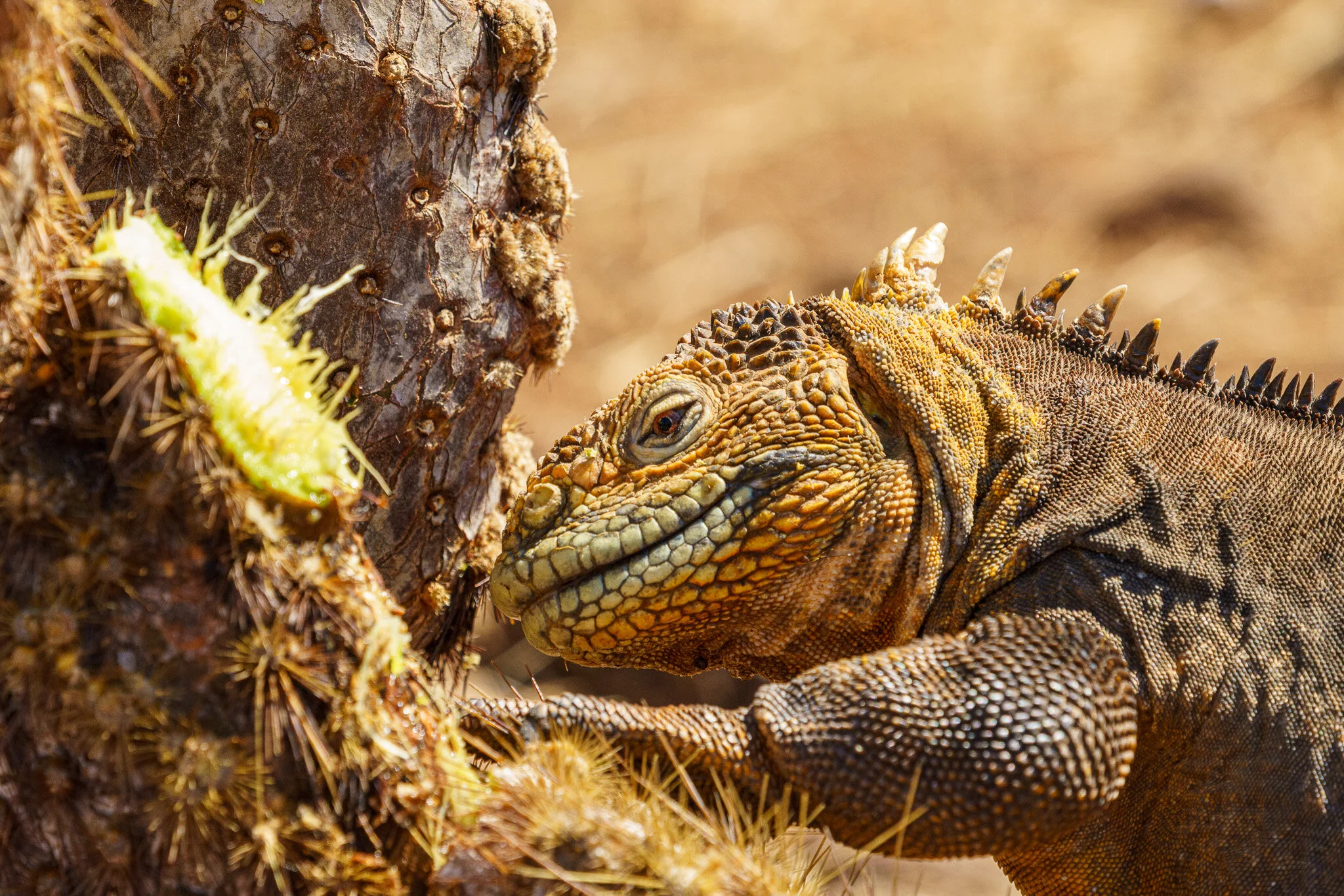
Galapagos land iguanas feed – and get their water – mostly from cacti. They’re a really interesting species. Lots of great information about them on the Tropical Herping website.
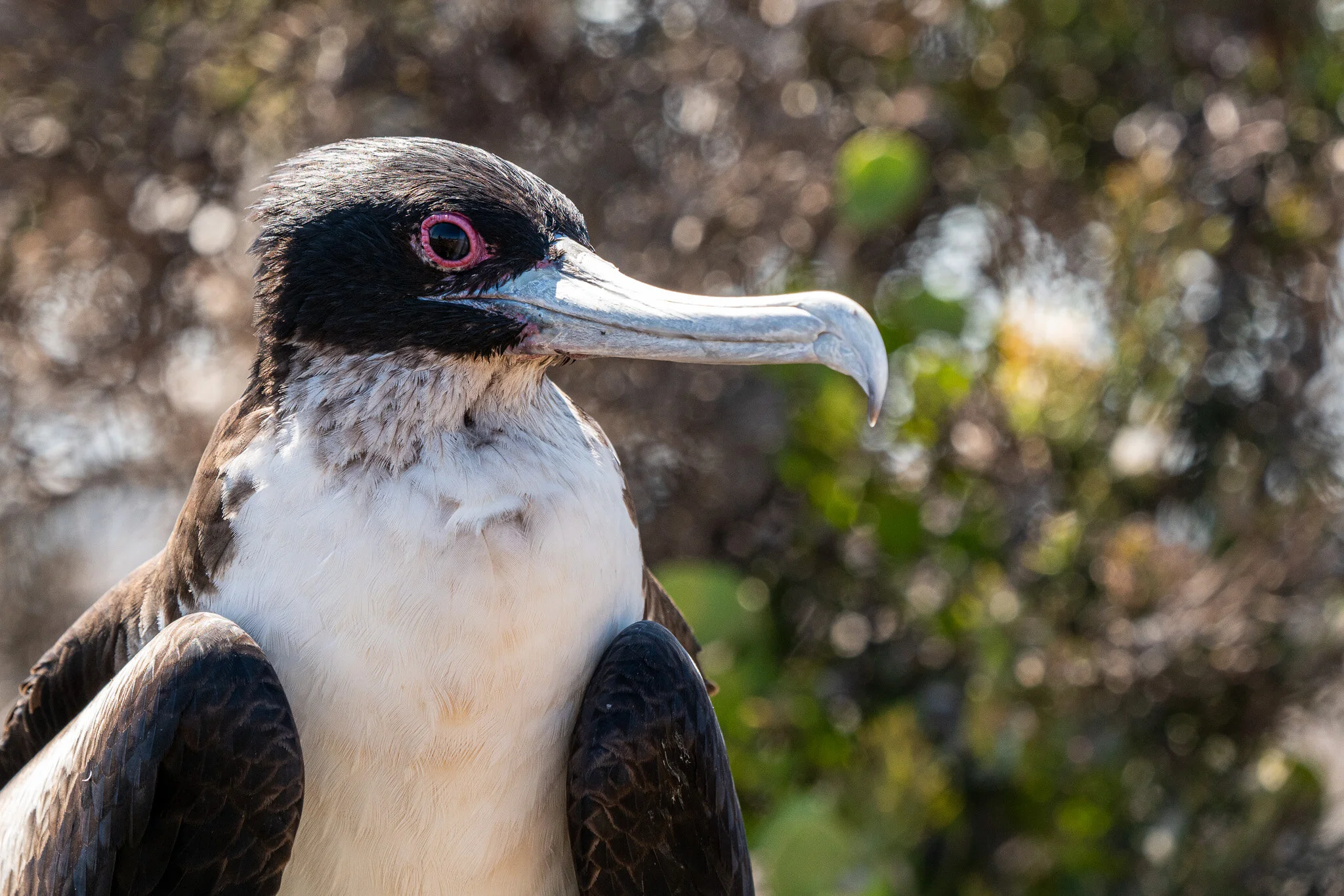
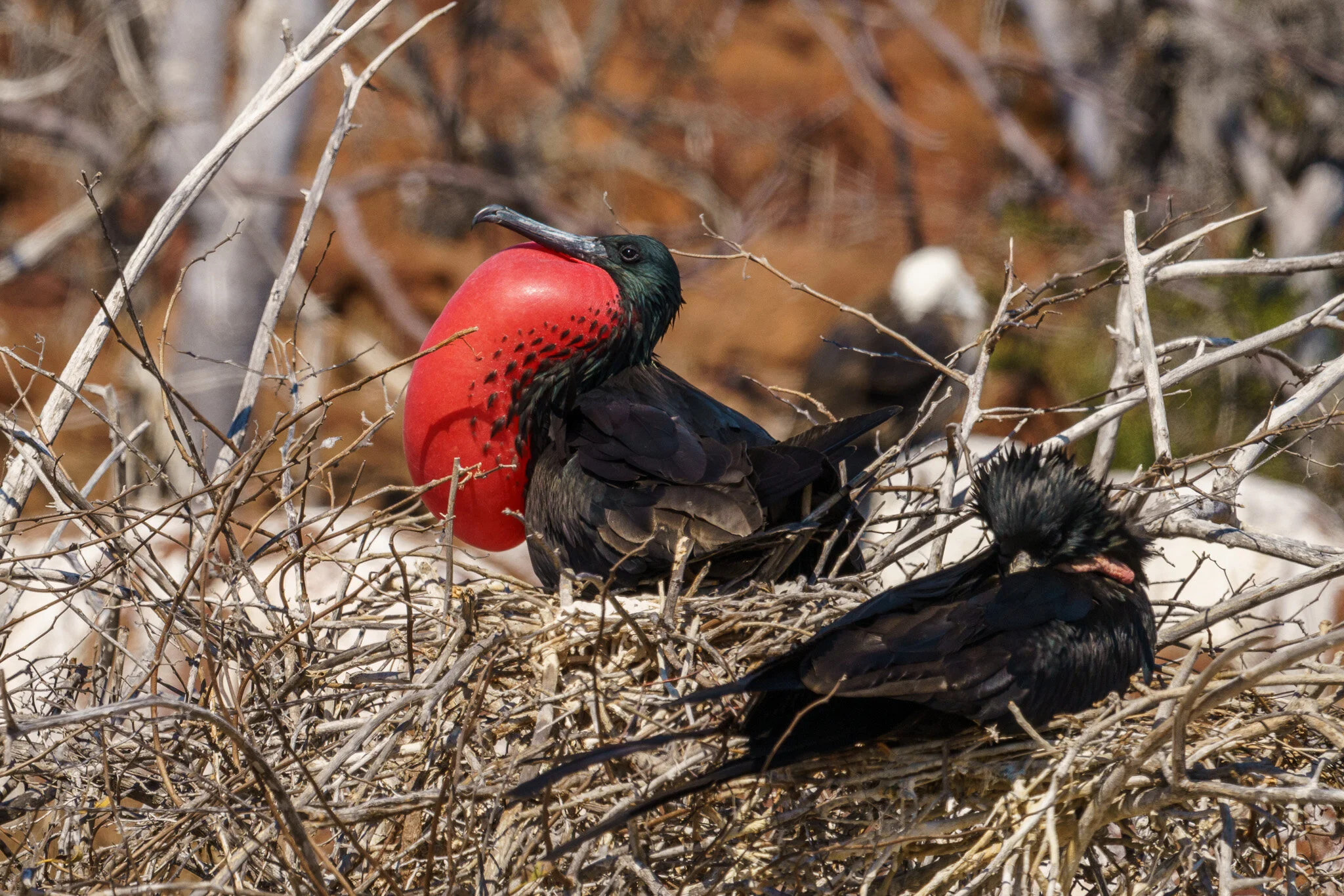
There are also lots of nesting birds, particularly frigates and blue-footed boobies.
Male frigatebirds have a distinctive “gular pouch”, the red inflatable balloon on their throat. They use this to attract females in breeding season, vigourously competing with other males, to the extent that some will use their long, sharp bills to puncture competitor’s pouches. In biology, we refer to this as a “dick move”*.
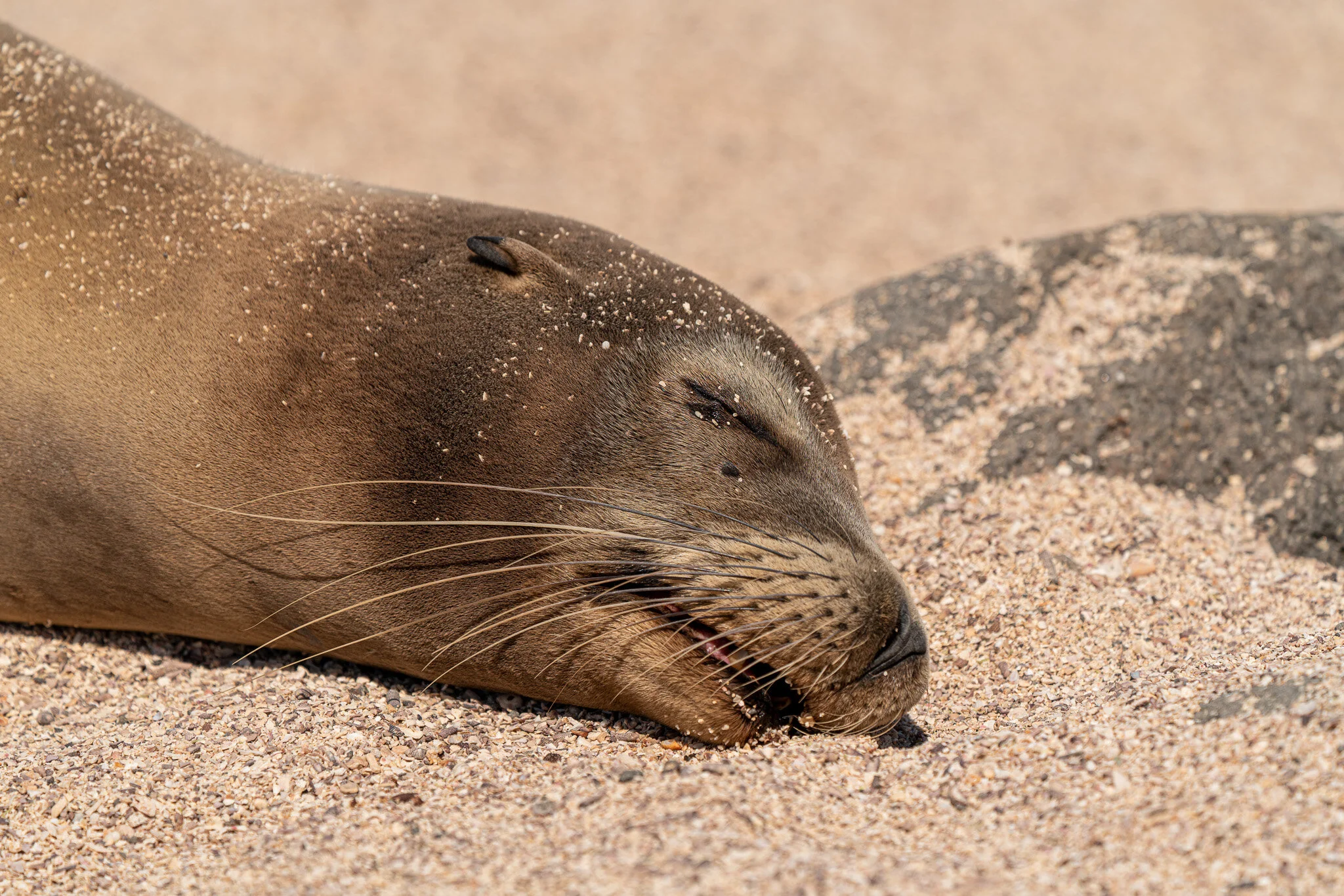
There were also lots of sea lions napping…
… and here’s a bonus land iguana, since you’re clearly obsessed with them.
Wolf Island
After being dragged away from the iguanas, we set off north for an overnight transit to a proper dive site, Wolf Island. The Humboldt itinerary is very shark-focused, which is why we chose it – the idea was to have the best possible chance of seeing hammerhead schools, and the #1 goal, which was to see some of the gigantic whale sharks that Galapagos is famous for.
Wolf Island did not disappoint.
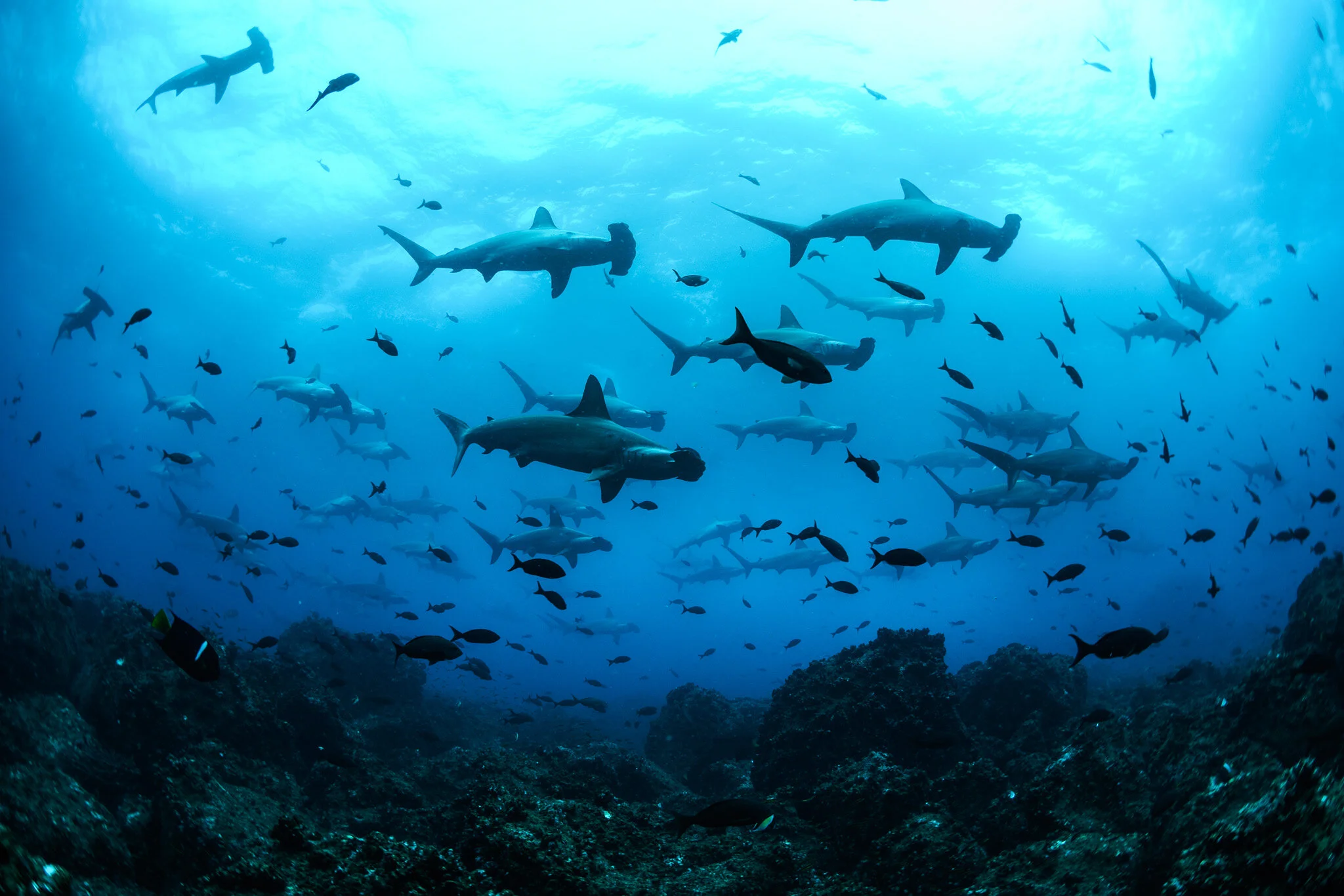
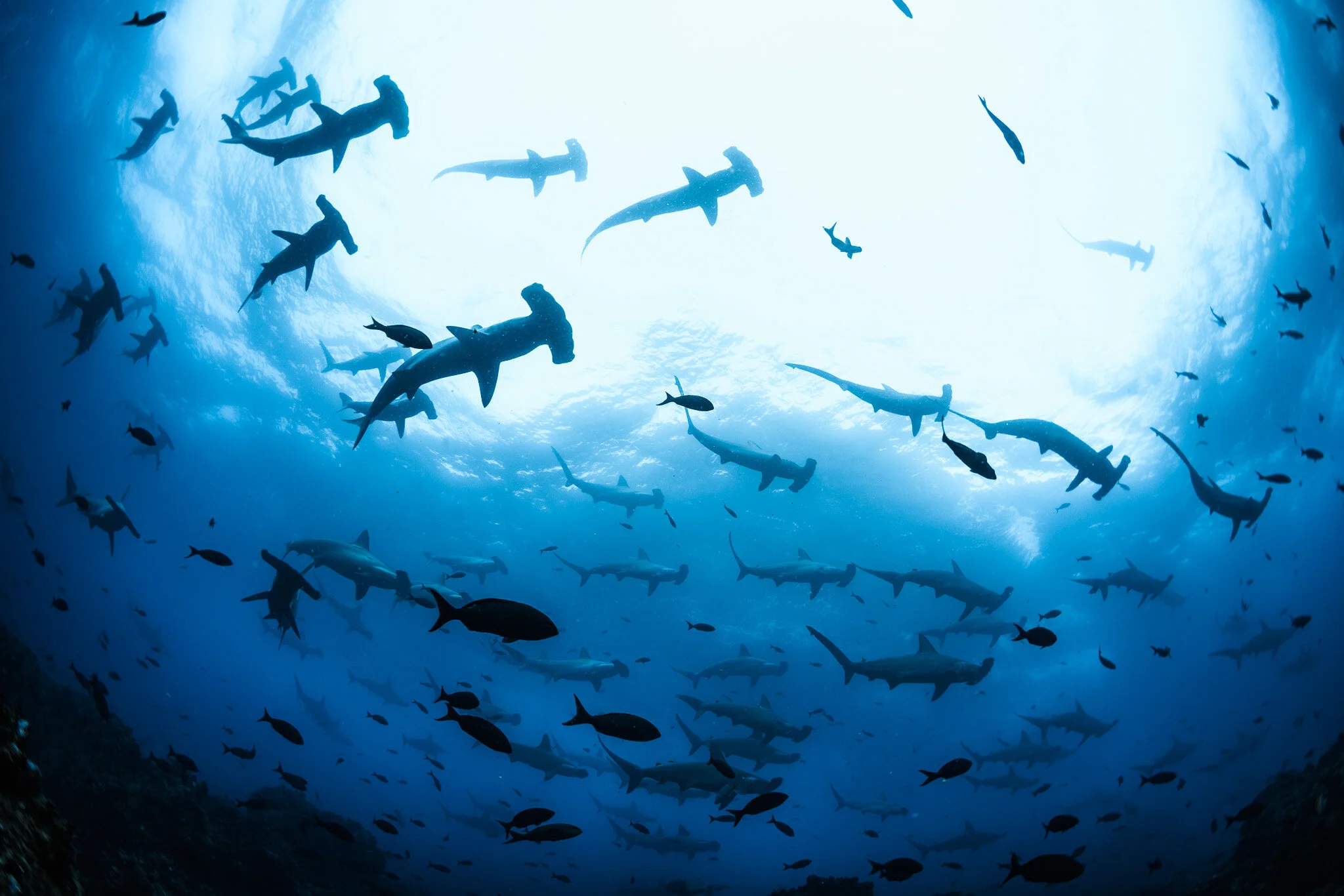
There were A LOT of hammerheads. We were extremely lucky, to be frank. On the way up the currents were fairly strong, but there were still plenty of sharks around. There were also lots of other critters, such as bottlenose dolphins and fur seals.
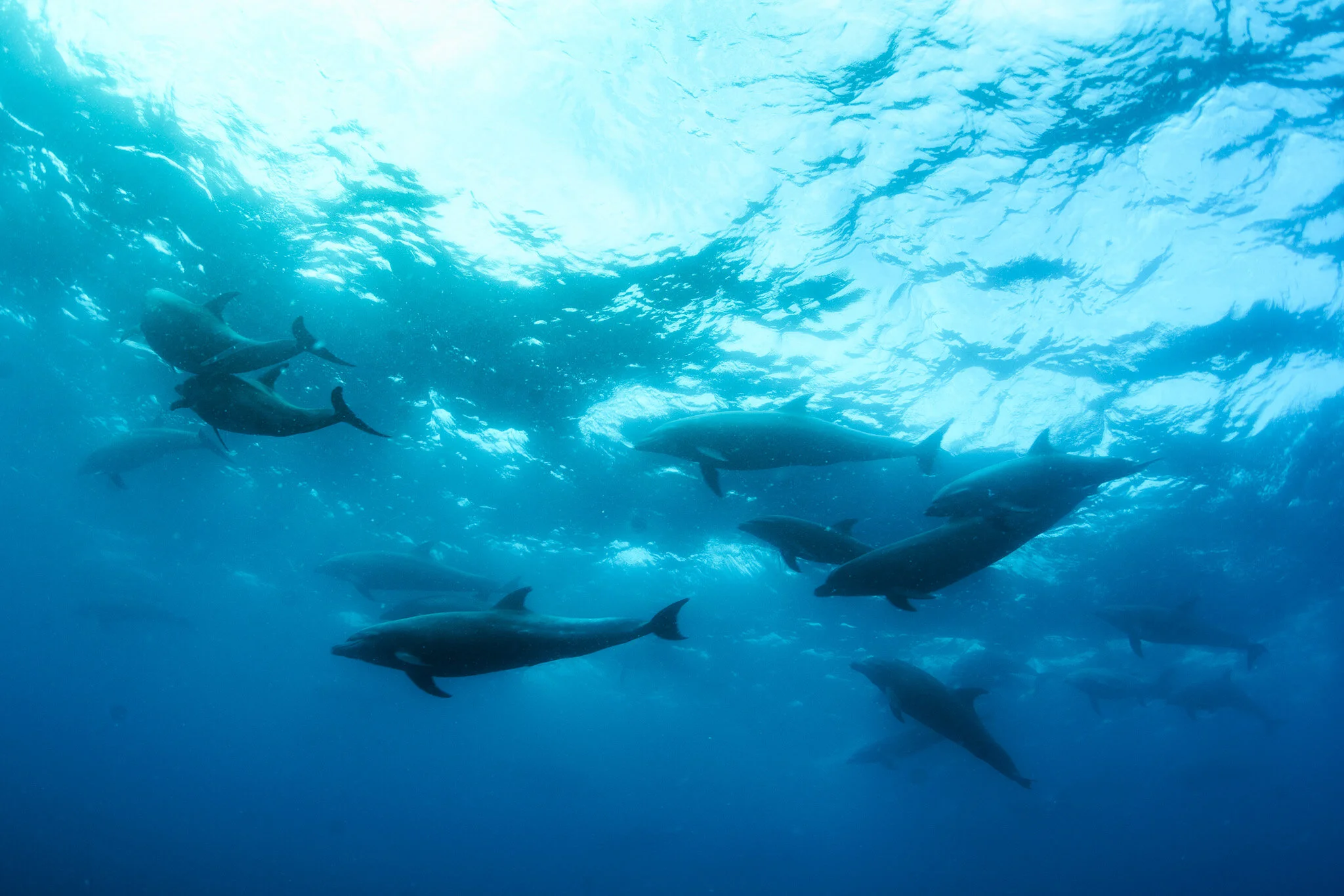
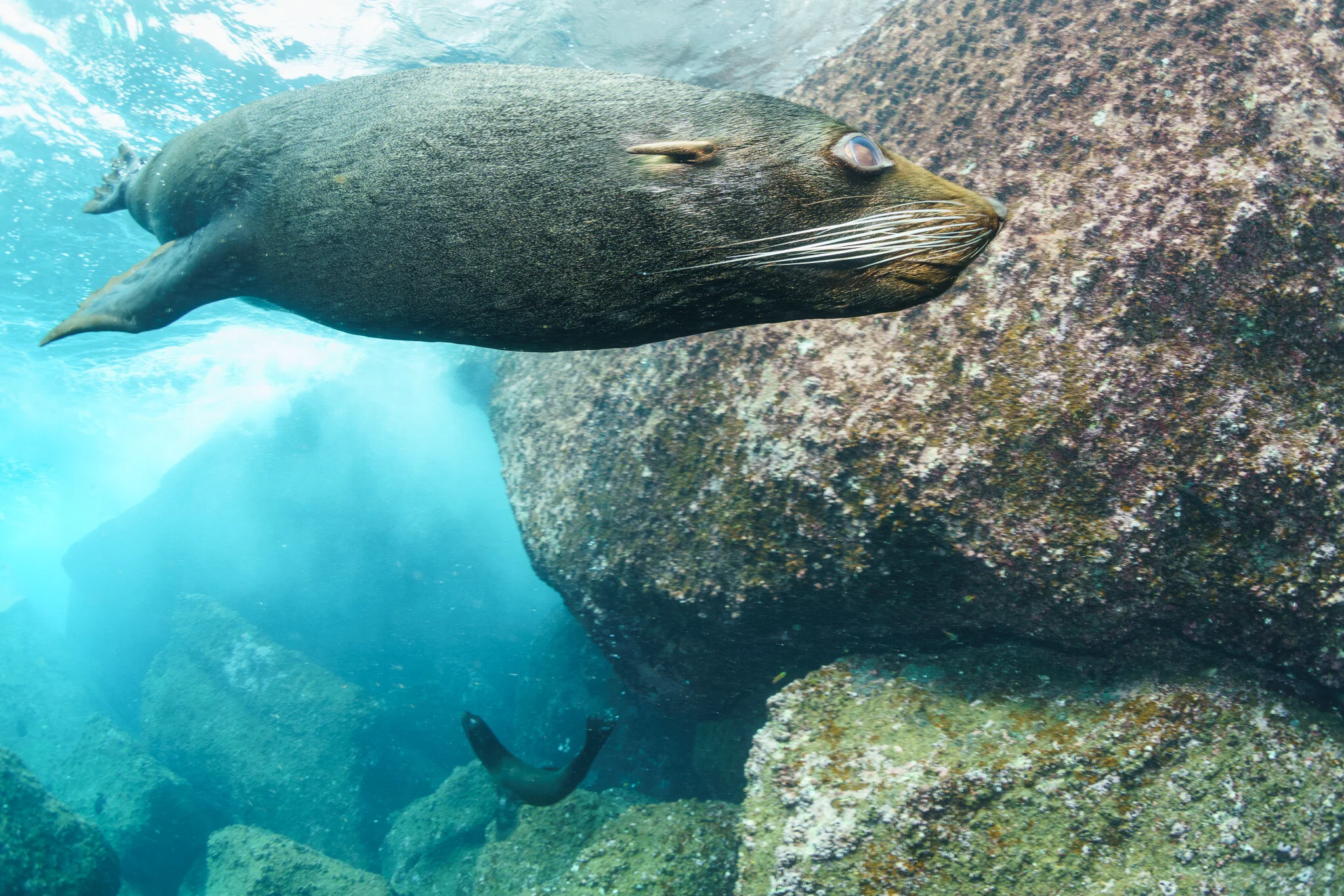
The Wolf Island dives (we dived mostly at Landslide, with a few at Shark Bay) were some of my best ever. But they still weren’t the highlight of the trip.
That would be the iguanas.
Oh… and Darwin Island.
Darwin Island
Darwin is the northernmost island in the Galapagos Archipelago, around 38 km past Wolf. I’d been trying hard to manage expectations during the trip because, although seeing whale sharks was the #1 goal for most of the guests, there are no guarantees in the Galapagos. If conditions are right, they may be there… but you can also hit strong currents, cold water, and a decided lack of bus-sized sharks.
Spoiler alert.
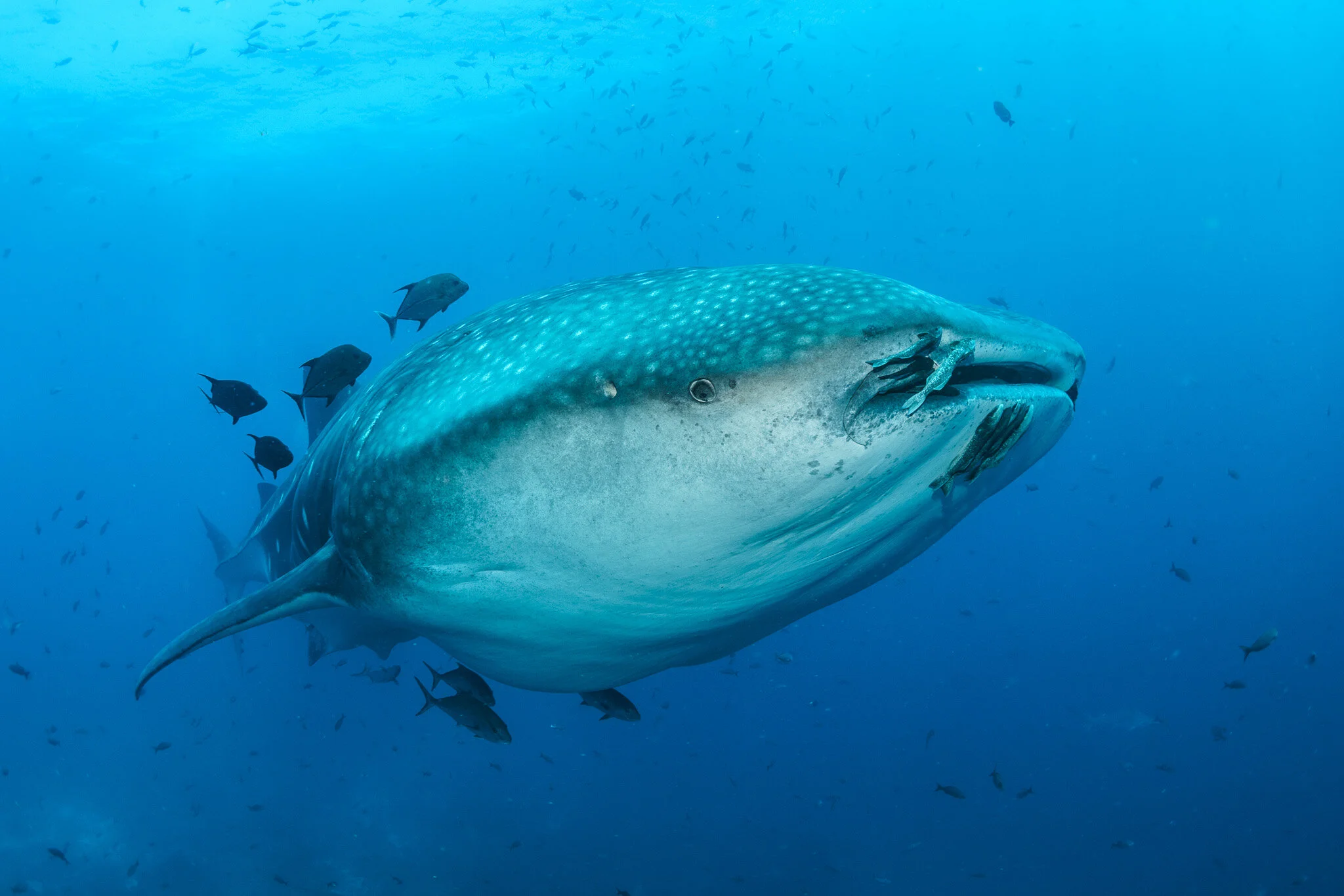
The dives at Darwin were off the charts.
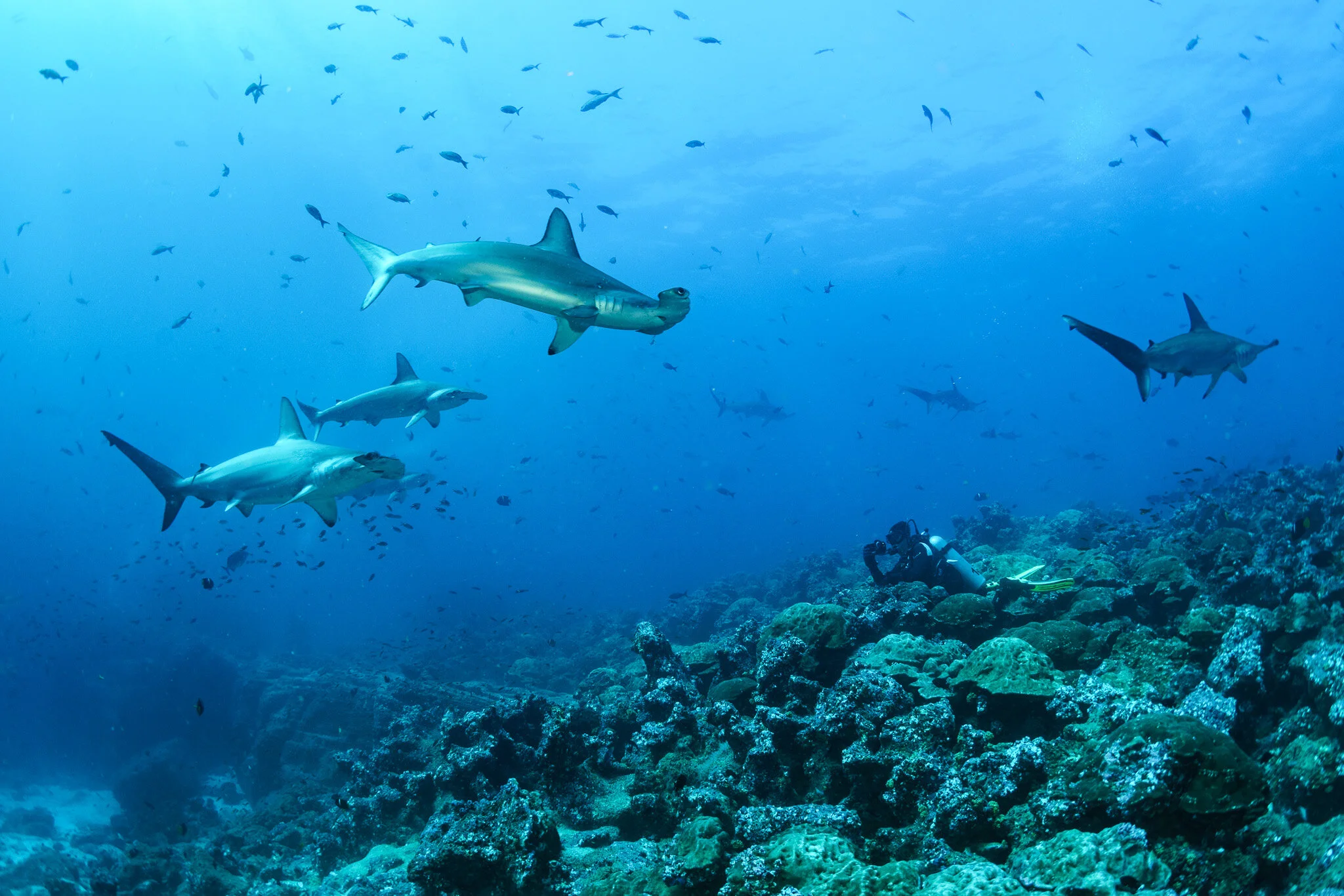
Unfortunately, one of my strobes had flooded at Wolf, so I was only using one for the remainder of the trip. Fortunately, there were clear skies, great visibility and loads of animals, so it wasn’t too much of a disaster.
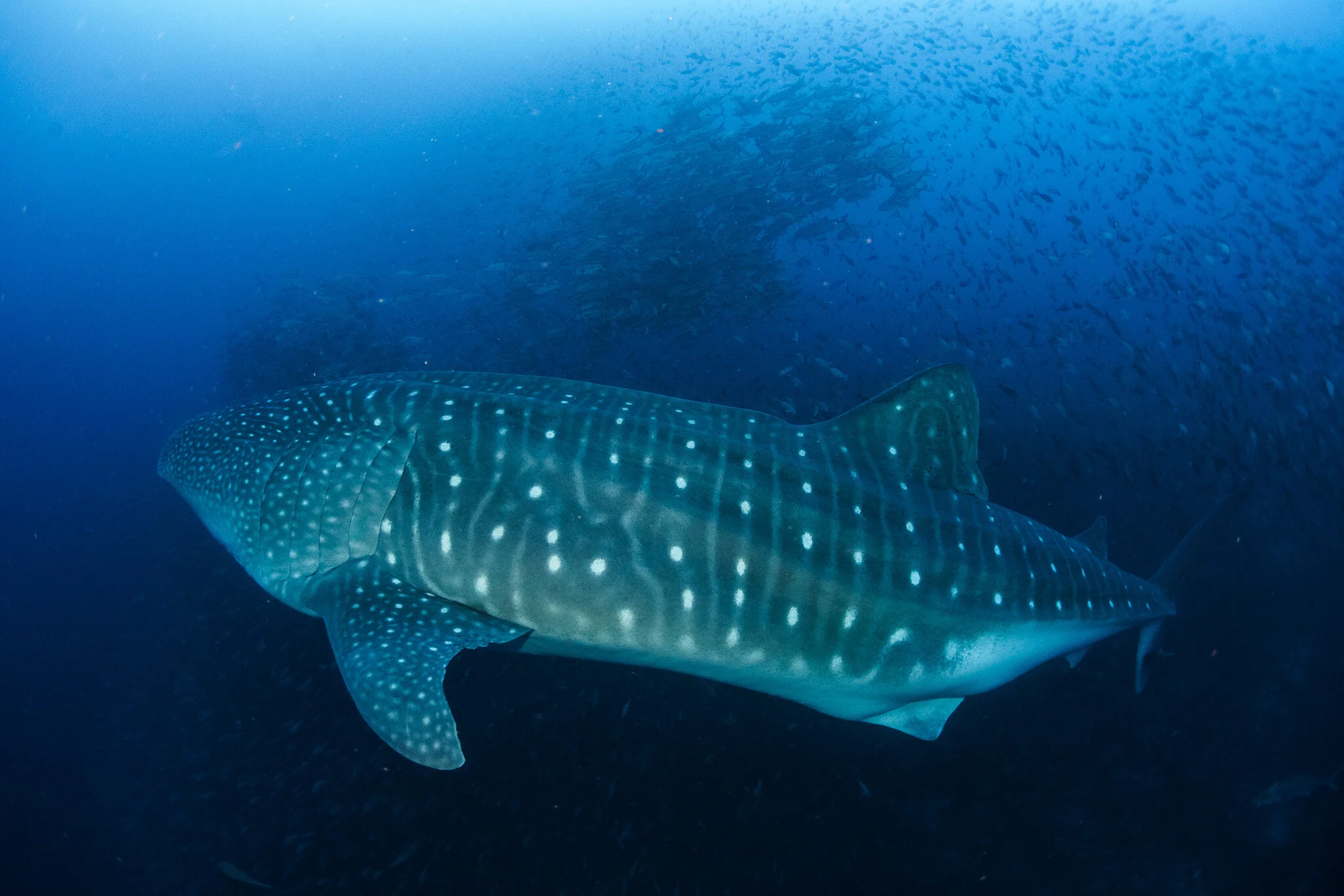
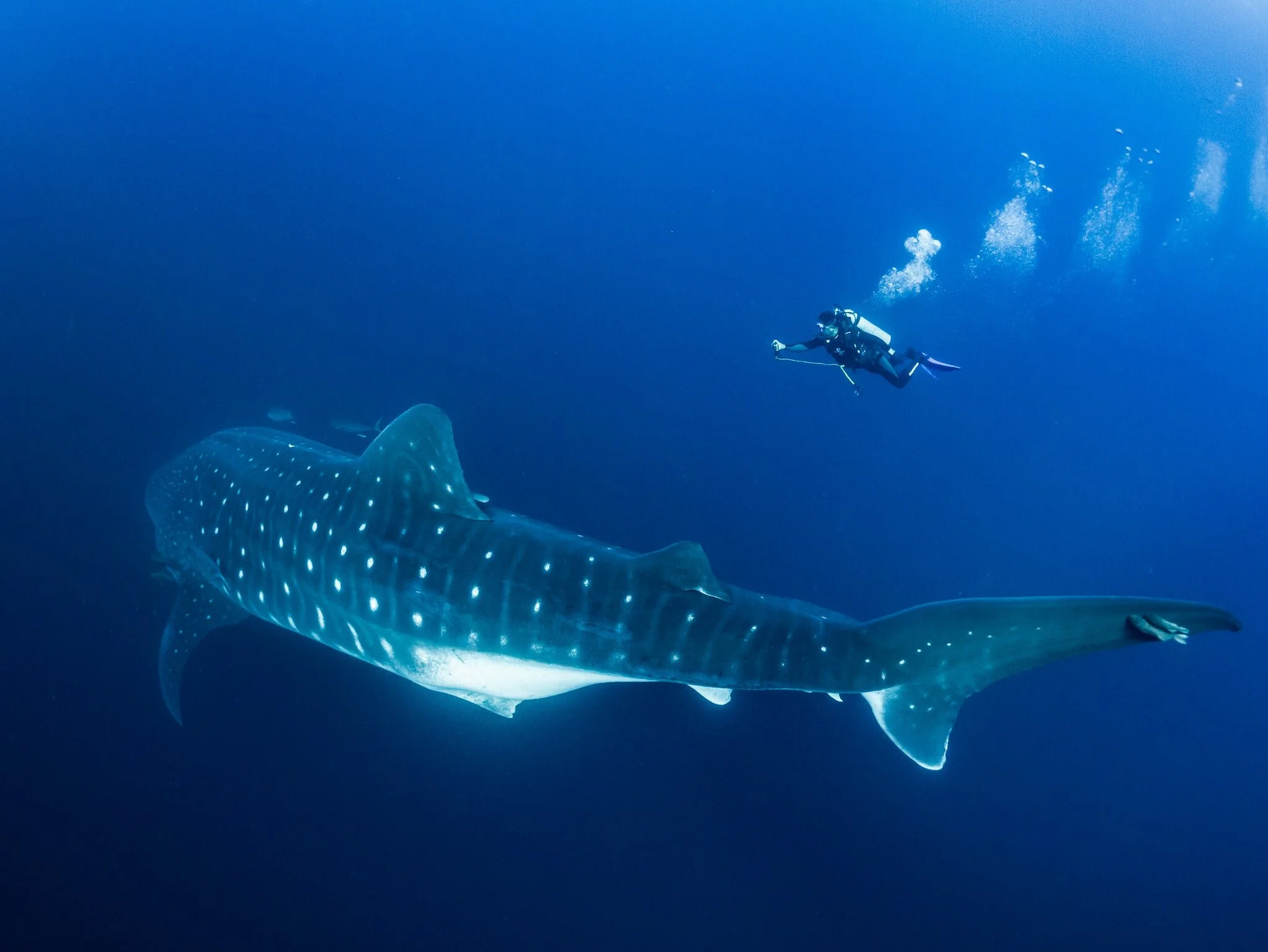
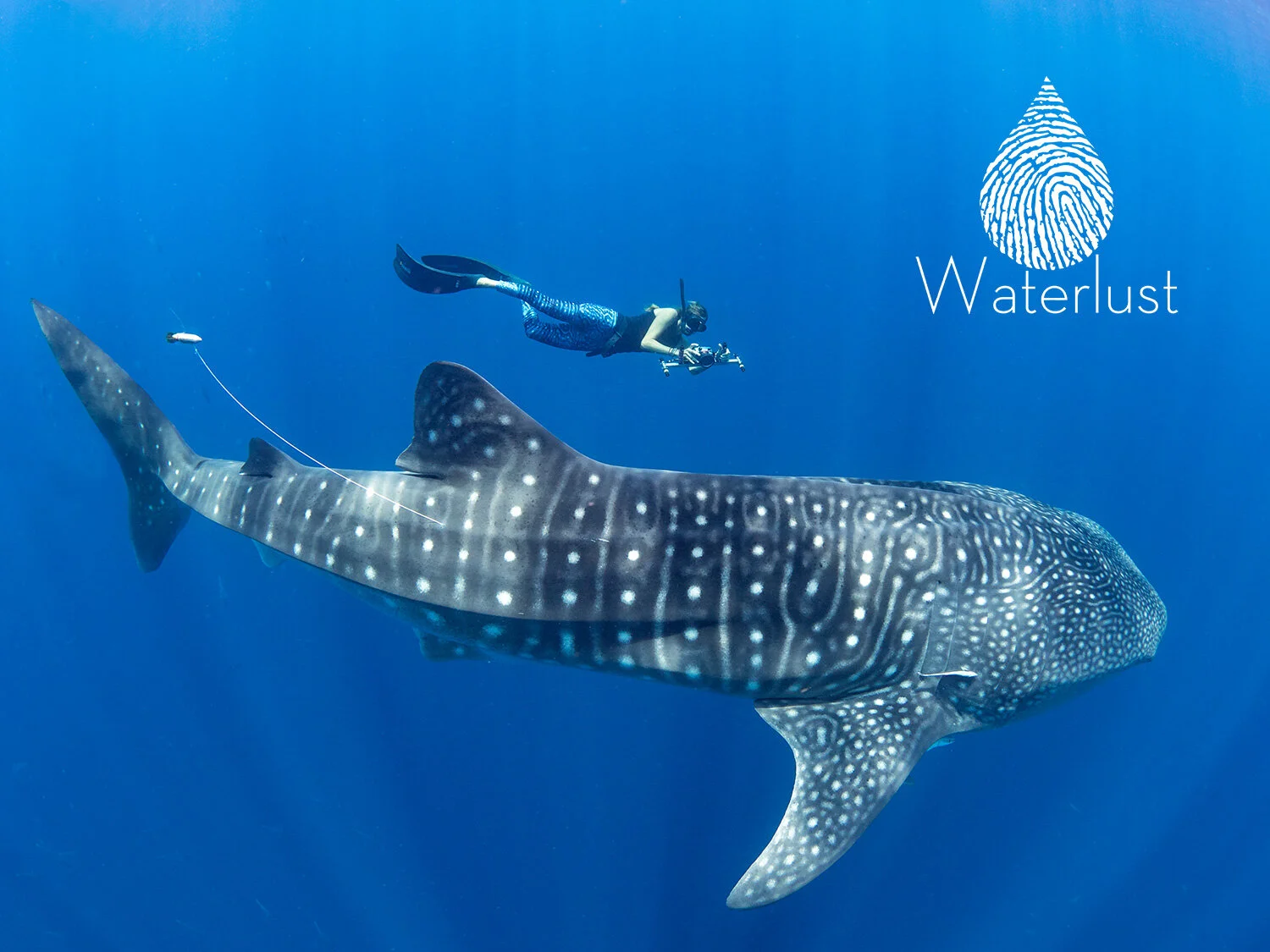
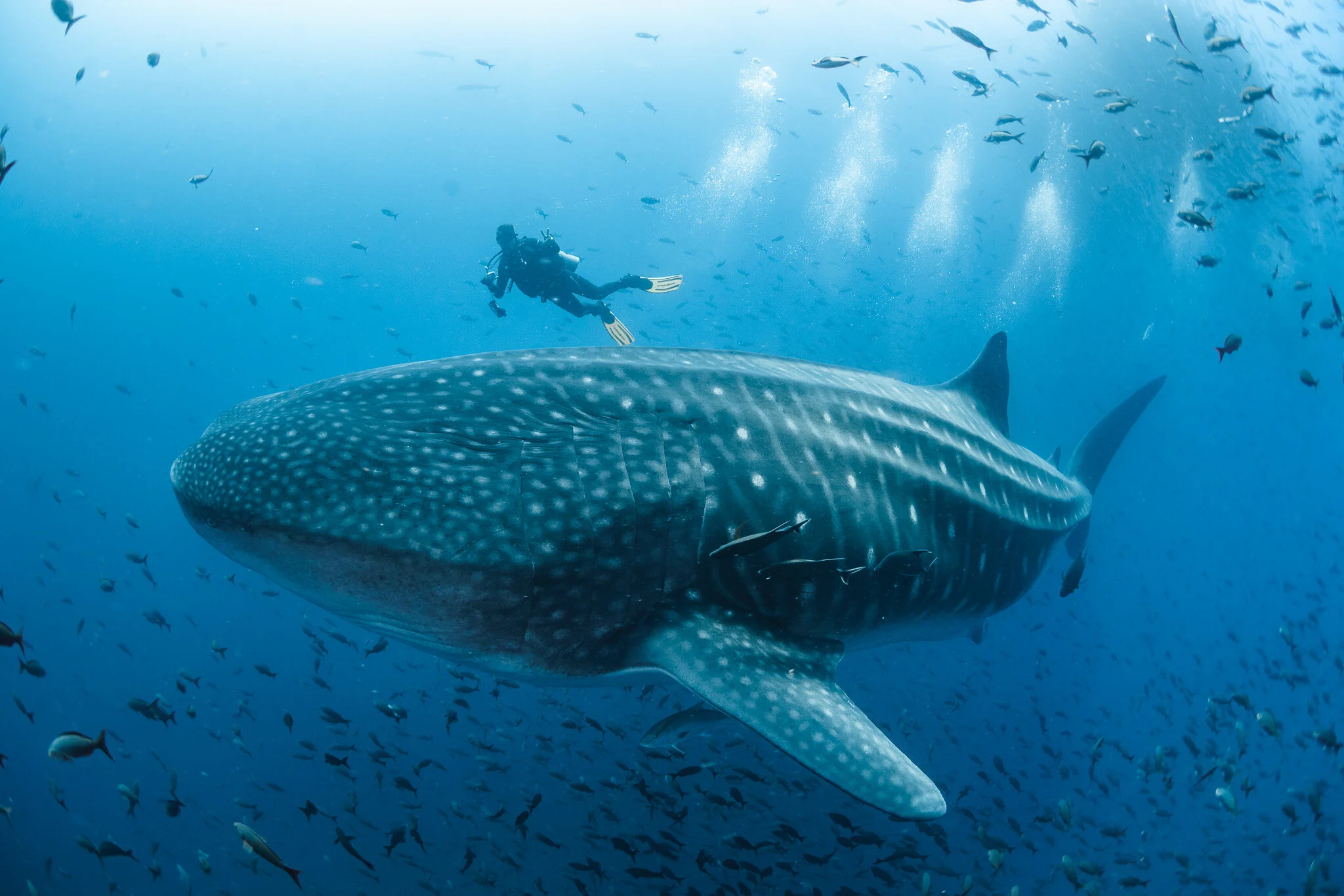
We saw whale sharks on all six dives at Darwin, as well as the usual suspects (more hammers, silky sharks, Galapagos sharks, etc etc). The whale sharks were all big ones, too. I’ve just written up a detailed article on diving with whale sharks in the Galapagos if you’d like to read more about why Darwin is such a special place.
Cousin’s Rock
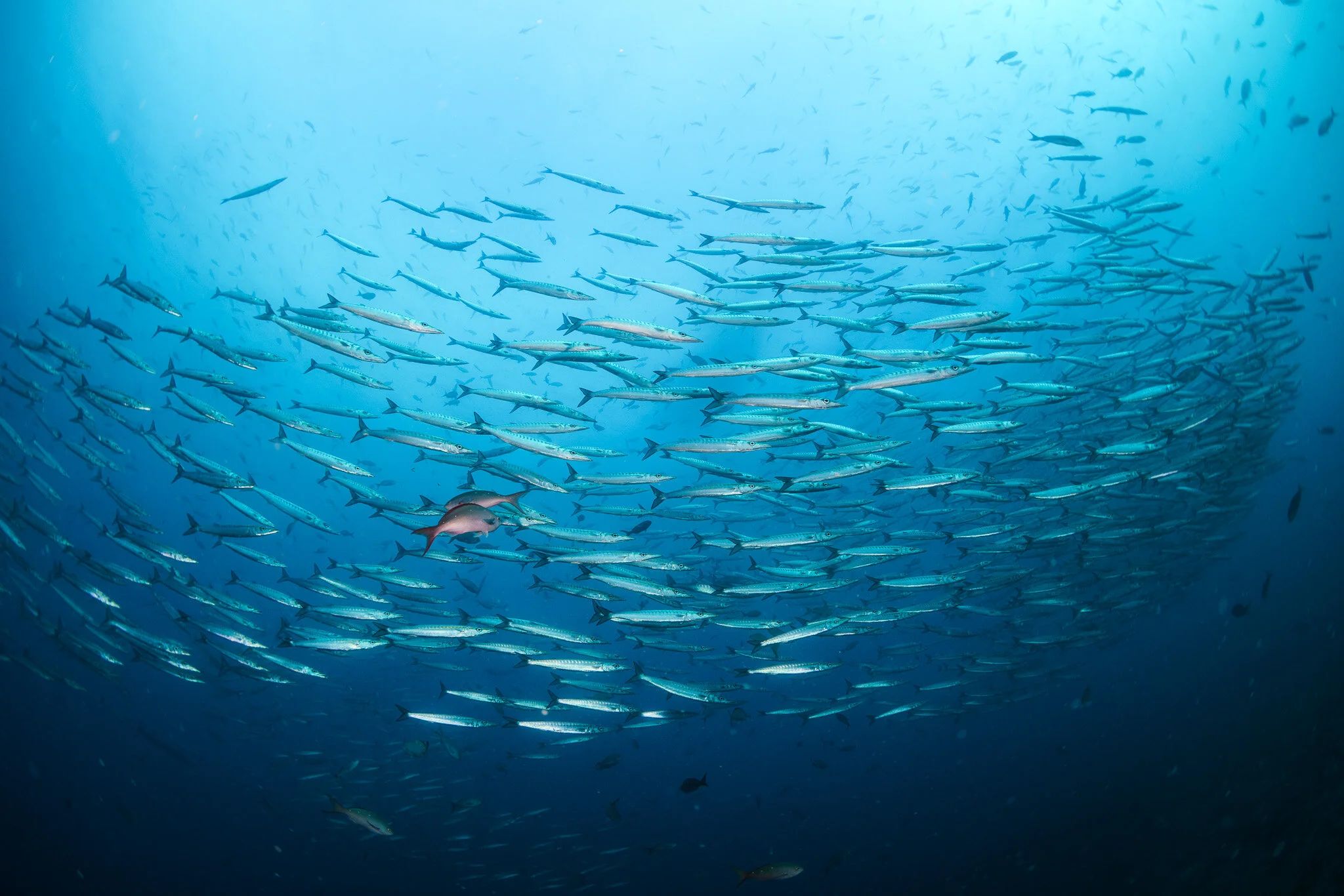
After stopping off at Wolf Island for a few more dives, we proceeded south to Santiago Island for a couple of dives at Cousin’s Rock the next morning. This can be a great dive site, and there was plenty of animals around, but they weren’t really coming close enough for (fisheye) photos.
Giant tortoises
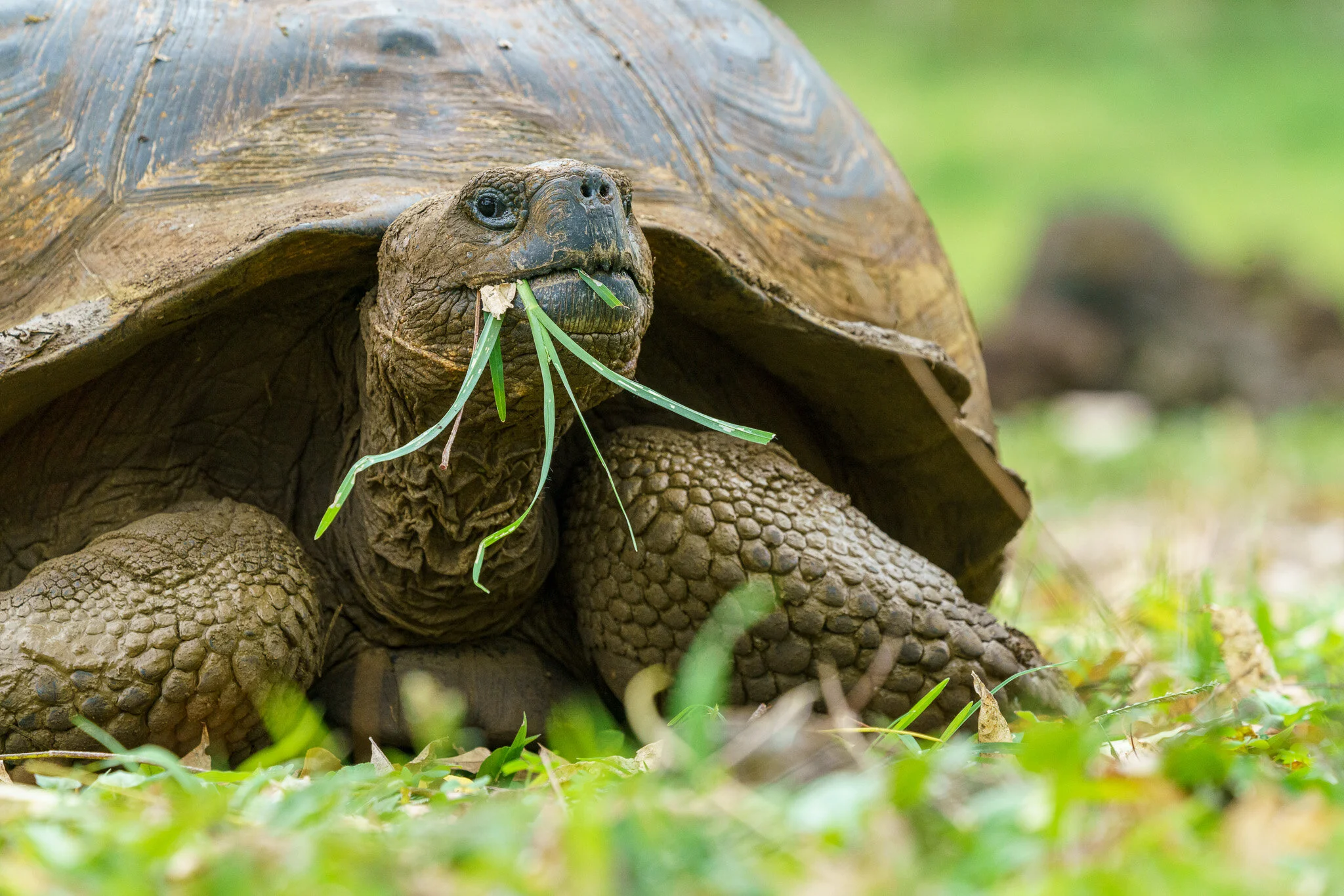
The last afternoon was spent ashore on Santa Cruz island. The cool, wet highlands of Santa Cruz are home to a large population of giant tortoises, and there are a few private farms where they’ve let them roam freely through the property. The tortoises are fully wild, and come and go as they please, so it’s a great opportunity to see them.
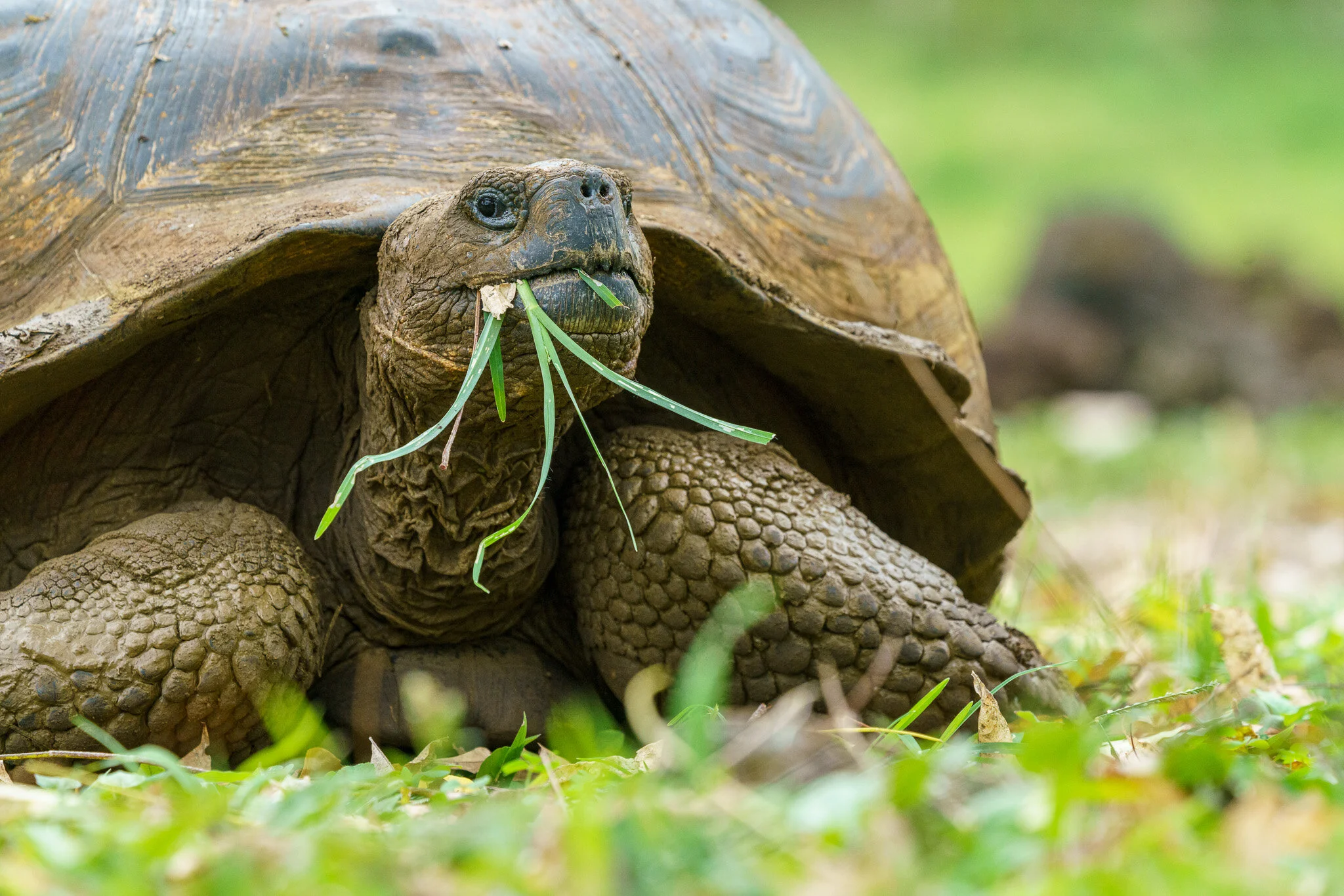
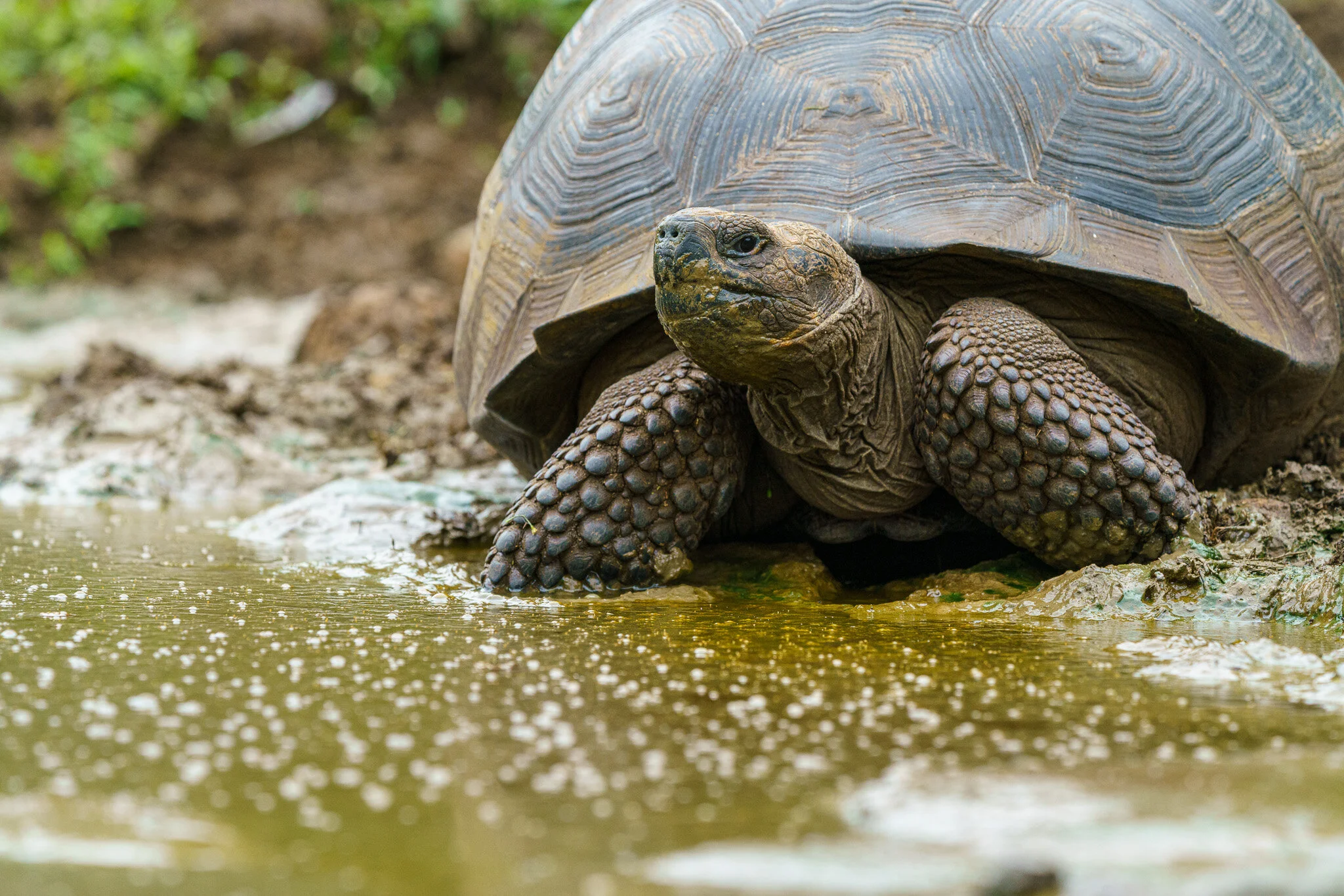
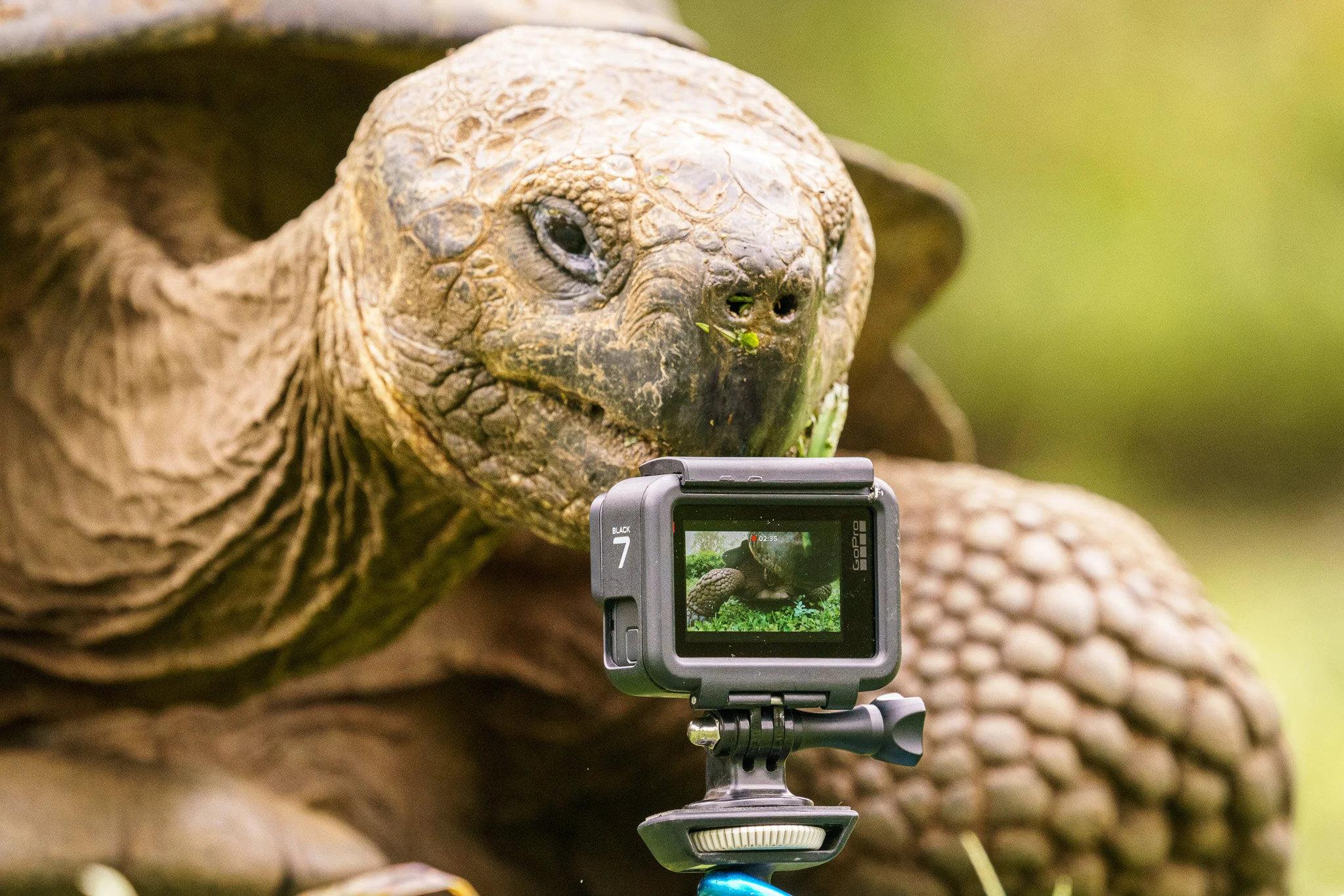
I thought I’d get a bit of video on the GoPro too, which turned out to be fairly entertaining. I’ll post that soon.
Photography notes
I was using my Sony A7rIII camera and Canon 8-15 mm fisheye lens underwater, which is an all-or-nothing lens. It can be great if the animals come close… but there were lots of great sightings (Galapagos sharks, eagle rays, etc) that just didn’t come close enough for photos. The fisheye will always be my “workhorse” underwater lens, but a rectilinear wide-angle is a good (potentially better) option for Galapagos.
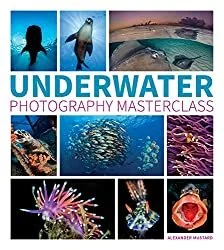
If you want to learn or improve your underwater photography, I highly recommend Alex Mustard’s book: Underwater Photography Masterclass. It’s a fantastic guide to a rather technical subject!
See more thoughts on my article on whale sharks in Galapagos, and my wide-angle underwater photography setup guide.
I was using the Sony 100-400 mm GM lens on land, which I absolutely love. I’ll add more details on my wildlife photography setup guide in an upcoming article.
Planning a trip? Don’t forget to purchase travel insurance! We use World Nomads to insure us while we’re scuba diving, snorkeling, hiking, on safari, in the Arctic… whenever we’re out and about while overseas. We’ve written up a full article on why we like World Nomads here on the site.
Wrap-up
This was the best liveaboard trip I’ve done. We had great guides (Jorge x2), the boat was excellent (hot towels and a jacuzzi after most of the dives – luxury), and fantastic guests. We’ll be doing it again in September 2021, hope you can join us! Full details are here.
Simon.
* Well, this biologist does at any rate.